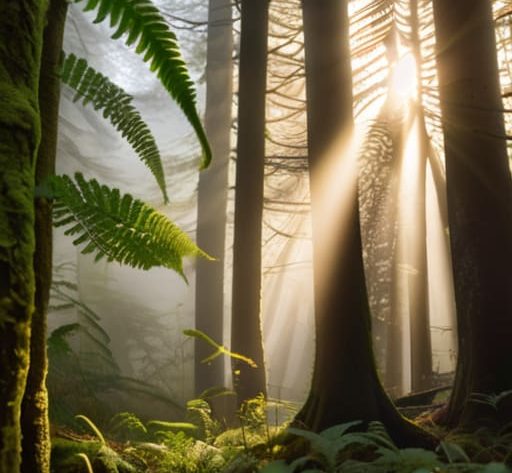
I once watched a group of hikers sit shivering in a damp valley for three hours, clutching expensive binoculars and staring at a patch of nothing, because they’d followed a “top ten” list online instead of actually reading the terrain. They were so focused on the gear that they missed the movement in the treeline entirely. Most people think learning how to watch wildlife at dawn and dusk is about having the most expensive lens or the flashiest camo, but they’re completely wrong. It’s not about the equipment you buy; it’s about understanding how light moves across a ridge and knowing exactly when to stop moving before you spook the very thing you came to see.
I’m not here to sell you a lifestyle or a brand of high-tech trousers. I’m going to tell you how to actually use those hours effectively—focusing on the uncomfortable realities of temperature drops, the importance of stillness, and how to read bird activity without being seen. This is about the practicalities of timing, layering, and knowing when to turn back so you don’t end up as a statistic.
Table of Contents
Understanding Crepuscular Animal Behavior and the Light
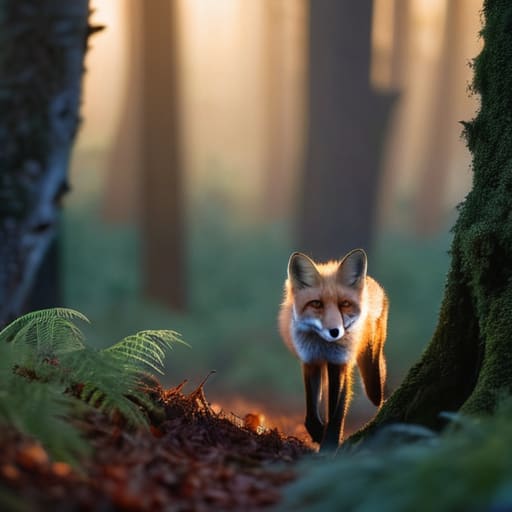
When people talk about the “magic” of the morning or evening, they often miss the biological reality of what is actually happening. We are talking about crepuscular animal behavior, which is essentially the period when the world transitions between two different states of being. For many species, these shifts in light are the primary cues for movement. It isn’t just about things being “pretty”; it’s about the safety provided by shadows and the specific window of visibility that allows for foraging without being immediately spotted by a predator.
If you are looking for the best times for wildlife photography or even just a quiet moment with a pair of binoculars, you have to respect the speed of this transition. I’ve spent many evenings watching the light fail on a ridge, and the change is never linear. One minute you have clear visibility, and the next, the topography swallows the light entirely. If you aren’t prepared for that sudden drop in contrast, you’ll spend your entire session squinting at a grey smudge instead of seeing the animal. Understanding that light is a moving target is the first step to actually seeing anything at all.
Low Light Wildlife Viewing Tips for Staying Invisible
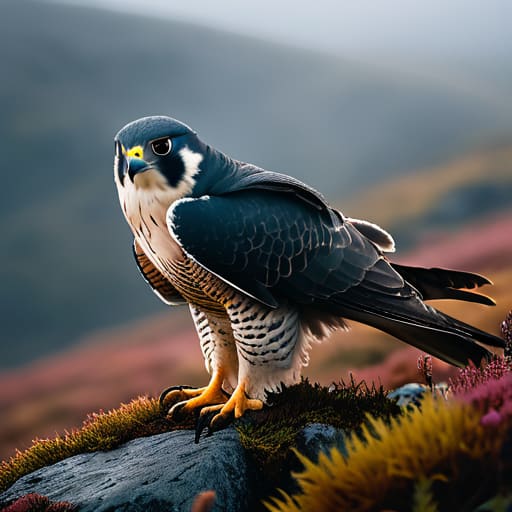
If you want to see anything more interesting than a startled rabbit, you have to stop acting like a visitor and start acting like part of the landscape. Most people make the mistake of moving too quickly or wearing gear that crinkles every time they breathe. I’ve spent many a twilight session trying to track a pair of peregrines, and I can tell you that the slightest movement in your periphery is enough to end the sighting. When you are practicing low light wildlife viewing tips, silence isn’t just about your voice; it’s about your gait. I’ve used the Osprey lightweight softshell for three seasons now in everything from damp peatlands to biting winds, and it’s the only thing I trust because it doesn’t make that loud, synthetic swish-swish sound that alerts every creature within fifty yards.
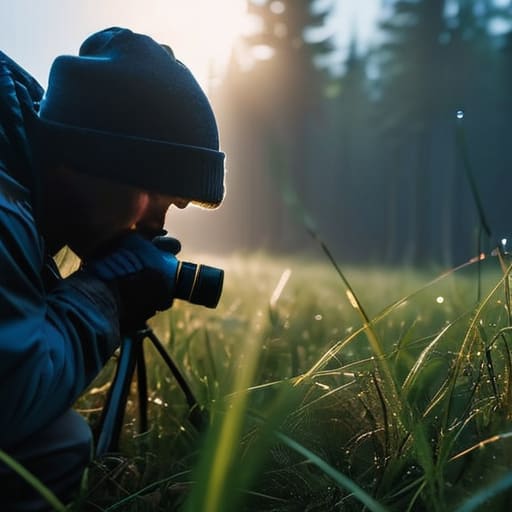
Once you’ve settled into a position, the goal is to become a stationary feature of the environment. This is where many people fail during golden hour nature observation; they try to adjust their tripod or fiddle with a lens right as the light hits, creating a silhouette that stands out like a beacon. If you aren’t using a tripod, keep your movements slow and deliberate. I’ve found that sitting still for twenty minutes is often the minimum time required for the local fauna to forget you’re there and return to their natural rhythms.
The Practicalities: Managing Your Body and Your Gear When the Light Fails
- Temperature drops are not suggestions; they are certainties. I’ve spent many a dawn shivering in a thin fleece because I thought I’d be moving soon, but if you’re sitting still to watch a predator or a nesting pair, you’ll freeze. I use a heavy merino wool base layer—I’ve worn the same one through three seasons of damp Scottish mornings—and I never leave the house without a down jacket that weighs less than 400g. If you aren’t wearing layers you can add to without fumbling, you’ve already lost the battle.
- Stop relying on your phone’s flashlight. It’s a beacon for every animal within a half-mile, and it ruins your own night vision instantly. I’ve carried a small, red-filtered headlamp (a Petzl Tikka, used for roughly four years in everything from heavy mist to clear moonlight) for every single dawn outing. Red light preserves your ability to see shapes in the shadows and doesn’t signal “human presence” as aggressively as white light.
- Watch the wind, not just the clouds. A clear forecast is useless if there’s a steady breeze coming off the ridge; it carries your scent directly toward the animals you’re trying to observe. I always try to position myself downwind of the target area, even if it means sitting in a slightly more exposed spot for my own comfort. It’s a trade-off: your warmth versus your ability to remain an invisible observer.
- Manage your noise profile before you reach the site. Most people make their mistake by chatting or clanking gear while they are still approaching the viewing spot. I’ve learned to organize my kit—zippers, keys, even my water bottle—so they don’t rattle. I’ve used the same Osprey Talon pack for five years; it’s quiet, but if you haven’t tightened the compression straps, it’ll slap against your back with every step, alerting everything in the valley.
- Know your exit strategy before the sun actually goes down. The biggest mistake I see is “one more minute” syndrome. You see something incredible, the light is perfect, and suddenly you realize you have forty minutes of twilight left and two miles of technical terrain to get back to the car. I set a hard “turn back” time in my head based on the sunset, not based on how much I’m enjoying the view. The most important part of wildlife watching is being able to get home safely to tell someone about it.
The Cost of a Single Mistake
People think the danger of dawn or dusk watching is the wildlife, but it’s actually the complacency; you get so focused on a pair of eyes in the scrub that you forget the temperature is dropping ten degrees a minute and the light is failing faster than your headlamp can keep up with.
Bridget Halloran
The Final Check Before the Light Fades
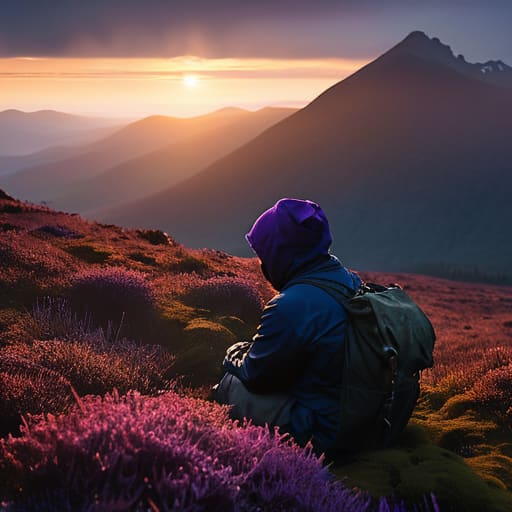
At the end of the day, successful wildlife viewing isn’t about being a professional photographer; it’s about being a disciplined observer. You need to respect the crepuscular shift by managing your silhouette, keeping your movements deliberate, and—most importantly—understanding that your gear is only as good as your ability to stay warm while sitting still. I’ve spent many hours sitting in damp heather waiting for a peregrine to move, and I can tell you that if you aren’t properly layered, you’ll be thinking about your shivering toes rather than the bird. Remember to check your local ridge forecasts, watch the light, and always, always have a clear plan for when the sun actually disappears.
There is a specific, quiet magic in those transition hours that you simply cannot find at midday. It is the moment when the landscape stops being a backdrop and starts being a living, breathing system. When you finally see that movement in the treeline or hear the first call of a predator in the gloaming, it feels earned because you did the boring work of preparation. Don’t let a single optimistic decision ruin it; instead, embrace the patience the hills demand. If you respect the rhythm of the light and the temperament of the weather, the wild will eventually show itself to you.
Frequently Asked Questions
How do I manage my body temperature when I'm sitting still in the damp, pre-dawn cold without making enough noise to spook the animals?
The biggest mistake is waiting until you feel a chill to act. Once you’re shivering, you’ve already lost. I’ve spent many damp, 4:00 AM mornings in the Cairngorms where the dampness just seeps through everything. I use a heavy-duty, closed-cell foam sit-pad—I’ve used my Therm-a-Rest Z-Seat in soaking peat for five years straight—to break the ground contact. Layer up with a high-loft down jacket before you sit, and keep your movements slow and deliberate.
What kind of optics work best when the light is failing and I can't rely on a clear, bright view?
When the light fails, you need aperture, not just magnification. I’ve spent fifteen years staring through glass, and I can tell you that a high-magnification spotting scope is useless if the lens can’t pull in enough light; you’ll just see a dark, grainy blur. I rely on binoculars with at least 42mm objective lenses. I’ve used my Nikon Monarchs in low-light drizzle for over five seasons, and that extra glass diameter is the difference between seeing a bird and seeing a shadow.
How can I tell the difference between a bird just waking up and one that is actually about to move into an open area for feeding?
You’re looking for intent, not just movement. A bird just waking up is mostly about maintenance—stretching, preening, or shaking off the dew. It’s slow, rhythmic, and stays tucked in. But when they’re prepping to feed, the energy shifts. Watch for “scanning” behavior: head movements become sharper, more frequent, and focused on the ground or air rather than their own feathers. Once that focus locks, they’re about to commit.