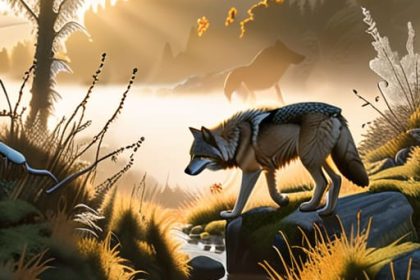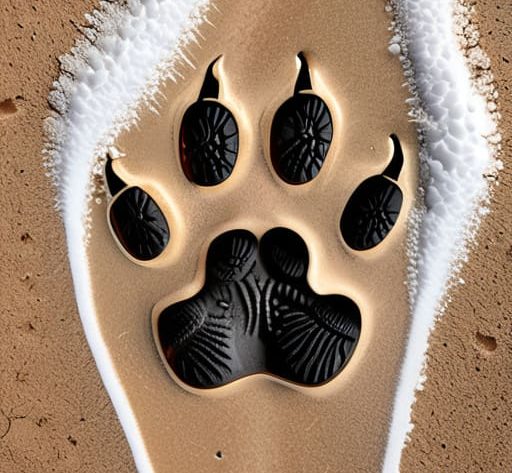
I spent three years as a ranger watching people stare at a patch of disturbed mud, clutching expensive field guides like they were holy relics, only to walk right past a clear roe deer print because they were looking for a perfect silhouette instead of the actual story in the dirt. Most guides make learning how to read animal tracks sound like a matching game for children, but the reality is far messier. You aren’t just looking for a shape; you’re looking at how the weight of a body displaces the silt or how a heavy deer track tells a much different story about the terrain than a light bird print. If you’re waiting for a textbook-perfect impression to appear in the middle of a peat bog, you’re going to be disappointed.
I’m not here to give you a glossary of shapes to memorize. Instead, I want to show you how to actually interpret the ground beneath your boots by looking at the context of the movement. I’ll share what I’ve learned from twenty-two years of observing wildlife in everything from frozen scree to saturated valley floors, focusing on the subtle indicators that actually matter. We’ll skip the fluff and focus on the practicalities of identifying what passed through, how long ago it was there, and what it was doing.
Table of Contents
Identifying Wildlife Footprints in Unreliable Conditions
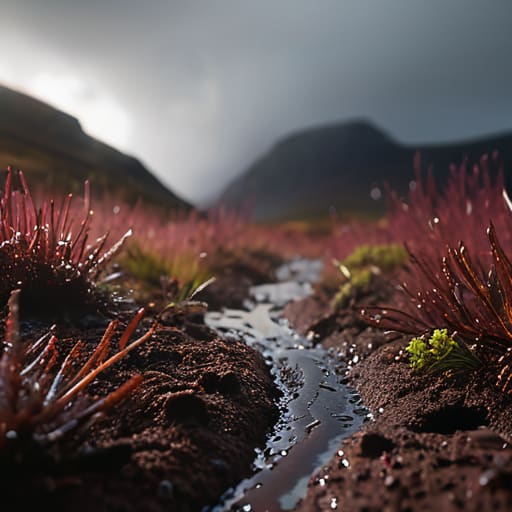
When the rain turns from a drizzle to a proper horizontal soak, the ground becomes a liar. I’ve spent many a late afternoon in the Cairngorms trying to make sense of a print that looks like nothing more than a smear of mud. In these conditions, identifying wildlife footprints requires you to stop looking for the perfect shape and start looking at the displacement. A heavy deer track will compress the soil differently than a light bird print, even if the surface moisture has filled in the fine details of the toes. If the mud is saturated, don’t hunt for the outline; look for the depth and the way the edges of the depression have slumped.
The real challenge comes when the wind picks up and the light starts to fail. You can’t rely on shadows to define a heel or a claw anymore. Instead, you have to focus on interpreting animal movement patterns across the terrain. A predator doesn’t move like a grazer; the stride length and the directness of the line tell you more about the animal than a half-washed print ever could. If the tracks are muddy and indistinct, watch how the surrounding vegetation has been brushed or broken. That’s often the only honest sign left when the ground refuses to cooperate.
Track Identification by Animal Species and Soil Type
The medium you’re walking on dictates what you actually see. I’ve spent many a morning in the Cairngorms trying to make sense of a print in frozen, crusty snow versus the same print in saturated peat. In hard, dry clay, you might only see a faint indentation—a mere ghost of a claw—whereas in soft, loamy soil, the detail is much sharper. When you are identifying wildlife footprints, you have to look past the shape and consider the substrate; a heavy badger print in loose sand will look completely different from the same track pressed into a firm, mossy bank.
Once you understand the soil, you can move toward track identification by animal species. For example, a roe deer track in damp earth is often clean and distinct, but if you’re looking at a fox in the same terrain, you’ll notice the way the soil is displaced by the more rhythmic, purposeful gait of a predator. You aren’t just looking for a shape; you are looking at how the weight is distributed. A prey animal’s tracks often suggest a cautious, erratic path, while a predator’s prints tend to follow a more direct, efficient line through the undergrowth.
Five things to look for when the light is failing

- Watch the gait, not just the print. A single track tells you what animal passed by, but the spacing between them tells you if it was running, stalking, or just wandering. I’ve spent many a late afternoon watching a fox’s pattern change as it shifts from a casual trot to a focused hunt; the rhythm of the prints is often more telling than the shape of the claw.
- Check the displacement of the substrate. If you’re looking at soft mud or fresh snow, don’t just look at the shape of the foot; look at how much material has been pushed outward. A heavy deer print leaves a much deeper, more violent crater than a light bird print, and that tells you exactly how much weight you’re dealing with.
- Use your hands, but only if the ground is stable. Sometimes you need to clear a dusting of pine needles or loose scree to see the actual indentation, but be careful. I’ve seen people ruin a perfectly good track by trampling the edges while trying to get a better look, so use a small stick instead of your fingers.
- Look for the “trail of intent.” Animals rarely move in straight lines unless they are fleeing or following a very specific ridge. If you see a series of tracks that curve sharply or circle a specific thicket, you aren’t just looking at a path; you’re looking at a feeding area or a bedding spot.
- Contextualise the track with the weather. A track made in bone-dry dust tells a different story than one made in the aftermath of a heavy downpour. I always check the recent rainfall before I start interpreting prints, because water can soften the edges of a track and make a small animal look much larger and more indistinct than it actually is.
The Story in the Soil
A track isn’t just a shape in the mud; it’s a timestamp. If the edges are sharp and the displacement is crisp, the animal was here while the ground was still damp; if the print is a soft, blurred smudge, you’re looking at something that passed through hours ago, or perhaps during that heavy mist that rolled in at dusk. You aren’t just looking for a footprint; you’re reading a sequence of events.
Bridget Halloran
Respecting the Story in the Dirt

At the end of the day, reading tracks isn’t about memorising a textbook diagram; it’s about understanding the context of the landscape. You have to account for the soil moisture, the direction of the wind, and how much daylight you have left before those prints become invisible in the shadows. Remember that a track is just a single frame in a much longer movie. If you can look at the displacement of the mud and the depth of the stride, you aren’t just looking at a footprint—you are reading the rhythm of the animal’s movement. Don’t rush the process. If the conditions are too poor or the light is failing, stop looking and start moving toward your shelter. The tracks will still be there tomorrow, provided the weather doesn’t wash them away first.
There is a quiet, heavy sort of magic in realizing you are walking through a space that was occupied by something wild only minutes before you arrived. It changes how you carry yourself on the hills. It makes you walk a little lighter and observe a little more closely. When you stop treating the ground as just a way to get from A to B and start seeing it as a living record, the mountains start to feel much more intimate. The wilderness is never truly empty; it is constantly communicating, provided you have the patience to sit still and listen to what the earth is trying to tell you.
Frequently Asked Questions
How can I tell the difference between a fresh track and one that’s been partially filled by rain or wind before the details are lost?
Look at the edges and the moisture. A fresh track has sharp, defined walls where the soil has been displaced; you’ll see the distinct texture of the earth pushed aside. If rain or wind has started to settle in, those edges soften and round off. I’ve spent many a damp morning in the Lake District looking at tracks that look “filled,” but if you look closely at the bottom, the original depth is still there, just blurred.
What’s the best way to track an animal when the ground is too hard or frozen to hold a clear print?
When the ground is frozen or baked hard, you stop looking for the print and start looking for the disturbance. I’ve spent many a morning on the high ridges looking for “scuffing”—where a hoof or claw has scraped the surface crust or moved a single loose stone. Look for broken vegetation, snapped twigs, or even a patch of disturbed moss. If the ground is too hard for a depression, look for the trail of broken things instead.
How do I distinguish between a single animal making multiple passes and a group of animals moving through the same area?
Look at the spacing and the direction of travel. A single animal making multiple passes usually shows a distinct pattern of backtracking or looping—think of a fox scent-marking or a badger foraging. A group, however, tends to move in a loose, directional flow. If the tracks are overlapping in a chaotic mess, it’s likely one animal circling; if they follow a rough, parallel trajectory, you’re looking at a social group moving through the terrain.