I’ve spent enough time on scree slopes in the Cairngorms to know that most gear advice is just expensive noise. You’ll see shops pushing carbon-fiber shafts that weigh next to nothing, promising “ultralight” perfection, but I’ve seen those snap like dry twigs the moment a tired hiker leans too hard into a descent during a sudden squall. When you are learning how to choose walking poles, don’t let a shiny brochure convince you that lightness is the only metric that matters. If you’re navigating a technical ridge in a gale, you don’t need a featherweight toy; you need something that won’t fail you when your legs are heavy and the light is failing.
I’m not here to sell you on a trend or repeat a marketing slogan. I’m going to tell you exactly what to look for based on the gear I’ve actually used—from aluminum models I’ve battered through three seasons of peat bogs to the specific locking mechanisms that don’t slip when they get grit in them. This is a practical guide on how to choose walking poles that will actually keep you upright when the weather turns, focusing on durability, weight, and grip rather than hype.
Table of Contents
Carbon Fiber vs Aluminum Poles Deciding What Survives a Fall
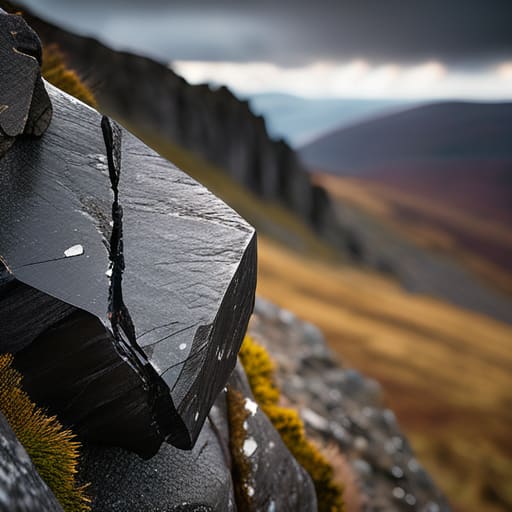
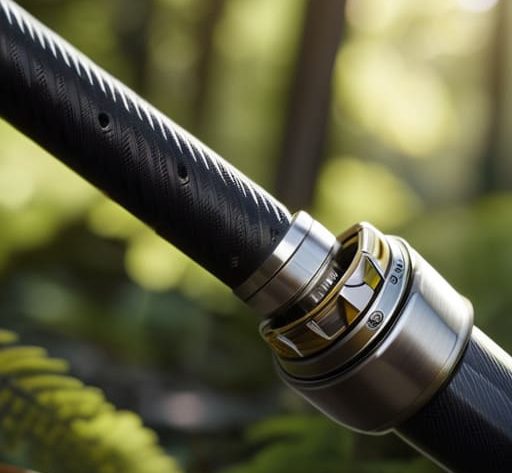
I’ve spent enough time on scree slopes to know that the debate of carbon fiber vs aluminum poles usually comes down to how you plan to fail. I’ve carried carbon poles on three different four-day traverses in the Cairngorms—mostly dry, but with plenty of heavy pack loads—and the weight savings are real. They feel effortless on the ascent. However, carbon is brittle. If you wedge a carbon pole into a rock crack and put your weight on it, it doesn’t bend; it snaps. It’s a sudden, final failure that leaves you scrambling.
Aluminum is heavier, yes, but it’s predictable. I’ve used a pair of 7075 aluminum shafts for over five years, including a nasty season of winter scrambling where I caught one in a frozen crevice. It dented, but it didn’t shatter, allowing me to limp back to camp. If you are someone who treats technical terrain with a bit of optimism—which, let’s be honest, most of us do—you want a pole that bends rather than breaks. For heavy-duty use in unpredictable weather, I’ll take the weight of aluminum over the lightness of carbon every single time.
The Reality of Trekking Pole Weight Comparison on Long Days
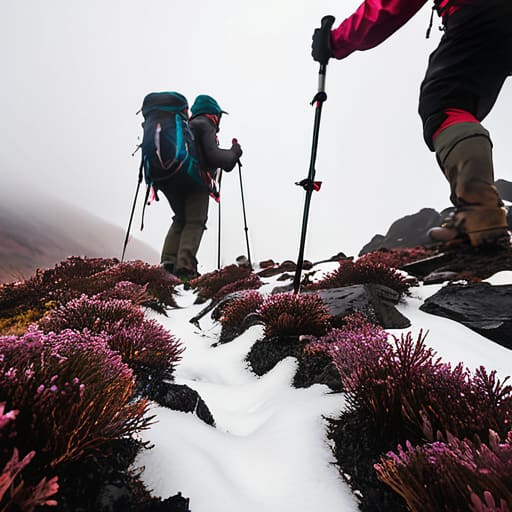
I’ve spent the last three years testing various setups on multi-day traverses through the Cairngorms, often carrying a twenty-kilo pack through peat hags and scree. When you are eight hours into a descent and your shoulders are already screaming, a difference of fifty grams per pole feels like a kilo. A trekking pole weight comparison looks fine on a spreadsheet, but it doesn’t account for the cumulative fatigue of a week on the trail. I’ve seen people obsess over shaving grams with ultra-light carbon models, only to find that when they hit a patch of deep, slushy snow, the lack of structural heft makes them feel like they’re swinging toothpicks.
The reality is that weight is a trade-off with durability and shock absorption technology. I’ve used the same pair of aluminum telescopic poles for four seasons of heavy use in wet, rocky terrain; they aren’t the lightest in my kit, but they don’t vibrate my wrists into numbness when I’m planting them on hard granite. If you’re chasing a sub-400g pole, you’re usually trading away the ability to actually lean on the equipment when your legs give out.
Five things I look for before I trust a pair of poles
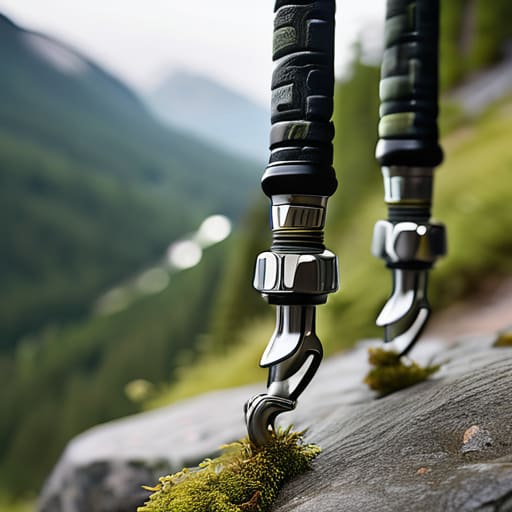
- Grip material matters more than the brand name. I’ve spent fourteen days straight in the Cairngorms with sweat and grit under my palms, and I can tell you that foam grips tend to slip when they get soaked, whereas cork holds its integrity even when the rain is horizontal. If you’re doing high-mileage days, don’t settle for cheap plastic.
- Check the locking mechanism twice. I’ve used the Black Diamond FlickLock system for about six seasons now across everything from dry summer scrambles to frozen peat hags, and it’s reliable. Avoid those twist-lock poles if you can; there is nothing quite as gut-wrenching as being halfway up a steep descent in a gale and having your pole collapse under your weight.
- Don’t ignore the basket size. I once saw a group try to use short, summer-trekking poles on a boggy plateau in the Lake District, and they spent more time digging their poles out of the muck than actually walking. If you’re heading into soft ground or snow, you need a wider basket to keep the tip from disappearing.
- Test the weight against your actual fatigue levels. I’ve carried several pairs of ultra-light carbon poles over the last three years for fast-paced mountain leader training, and while the 300g saving feels great for the first hour, it’s the vibration through your wrists on a long, rocky descent that really tells you if the material is too thin.
- Handle length is non-negotiable. You can’t just pick up whatever is on sale; the grip needs to sit where your hand naturally rests when you’re on a gradient. I’ve seen too many people struggle because they’re reaching too far up or down, which ruins your posture and eventually leads to those “optimistic” mistakes in foot placement when you’re tired.
The cost of a cheap mistake
I’ve seen too many people obsess over saving fifty grams in a kit list, only to find themselves standing on a scree slope in a downpour with a snapped carbon shaft and no way to steady themselves. If you’re choosing poles, stop looking at the weight for a second and look at the failure point; I’d much rather carry an extra ounce of aluminum than have to explain to a client why we can’t descend safely because their gear couldn’t handle a bit of real terrain.
Bridget Halloran
The final decision
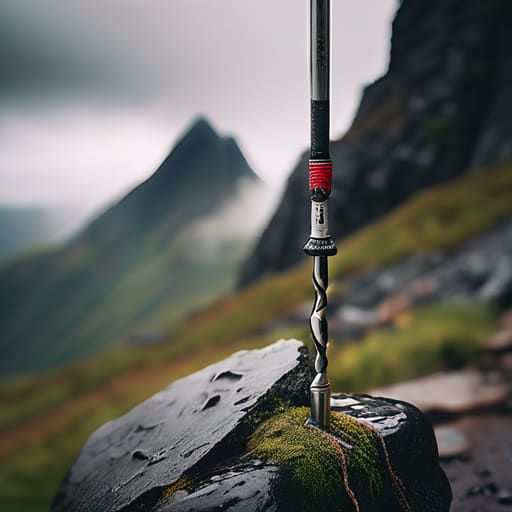
At the end of the day, choosing poles isn’t about finding the most expensive kit in the catalog; it’s about matching the tool to the terrain you actually intend to walk. If you’re planning lightweight day trips on well-maintained paths, carbon might serve you well, but if you’re heading into the high corries where the rock is loose and the weather is unpredictable, I’ll take the reliability of aluminum every single time. You need to weigh up the trade-off between saving a few grams in your pack and having a shaft that won’t shatter when you stumble on a wet slab. Don’t forget the grips, either—I’ve spent many a mile with numb hands because someone chose a grip that didn’t suit their glove or the sweat of a steep ascent.
Ultimately, your poles are there to provide stability when your legs are heavy and your focus is drifting. They are a way to manage your energy and protect your joints, but they aren’t a substitute for sound mountain judgment. I’ve seen plenty of people rely too heavily on their gear to compensate for poor timing or a lack of preparation. Use your poles to find your rhythm, to steady your footing on a scree slope, and to help you navigate when the visibility drops. If you choose them with intention, they will be the most silent, reliable partners you have on the hill.
Frequently Asked Questions
How do I know if a grip material is actually going to hold when my hands are wet and freezing?
Don’t trust a glossy brochure about “ergonomic grips.” I’ve spent three days straight in the Cairngorms with sleet hitting my knuckles, and I can tell you: cork is king for moisture, but it can feel abrasive when bone-dry. EVA foam is better for cold, though it can get mushy after a season of heavy sweat. If you’re buying, squeeze them hard with wet hands. If they feel like they’re sliding, leave them on the shelf.
Is there a specific length I should be aiming for, or does it depend entirely on the terrain?
It’s not a fixed number, but it’s not just about the terrain either. You want a pole that works for your specific limb length. I’ve used the Black Diamond Distance Carbon poles for three seasons of fast-packing in the Cairngorms; they’re adjustable, which is non-negotiable. If you’re descending a scree slope, you want them shorter to keep your weight over your center. If you’re climbing, you need that extra reach. Don’t settle for a fixed length.
At what point does the convenience of folding poles outweigh the stability of a fixed-length shaft?
If you’re doing day trips on well-trodden paths, folding poles are fine; they tuck away easily when you need your hands for scrambling. But if you’re out for three days in the Cairngorms or navigating scree in a gale, stick to fixed shafts. I’ve used the folding ones for two seasons on quick loops, and they’re handy, but they lack the rigid stability of a single piece when you’re exhausted and the ground is shifting under you.