I once watched a group of otherwise capable walkers sit huddled on a scree slope in the Cairngorms, staring at their hands with a look of pure, quiet defeat. They had bought the most expensive, high-tech waterproof gloves on the market, but they’d forgotten one crucial thing: once those gloves got wet from sweat or a sudden downpour, they stayed wet, turning into heavy, freezing weights that made even adjusting a backpack strap feel like a chore. Most people think that learning how to choose gloves for the hills is about finding the highest waterproof rating or the flashiest brand, but they’re looking at the wrong metrics. In the mountains, a glove that doesn’t breathe is often more dangerous than one that isn’t perfectly waterproof.
I’m not here to sell you on a marketing brochure or a “must-have” list from a glossy catalogue. My goal is to give you the unvarnished truth based on twenty-two years of seeing what actually works when the temperature drops and the wind starts biting. I’ll be talking about layering systems, dexterity, and the specific ways different materials hold up after three days of horizontal rain. If I haven’t personally tested a pair in a real mountain environment, I won’t tell you to buy them.
Table of Contents
Why Breathable Hiking Gloves Matter When the Mist Hits
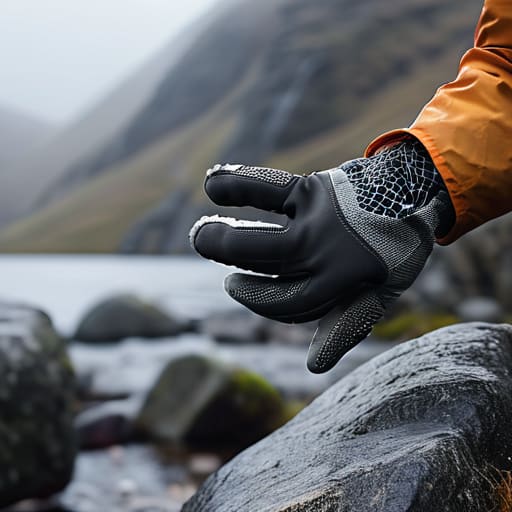
The problem with most people’s approach to gloves is that they only think about the rain coming in, not the sweat going out. I’ve spent many a long afternoon on a steady ascent in the Lake District, working hard enough to sweat through a base layer, only to be met by a sudden, freezing mist on the summit. If your gloves aren’t using high-quality moisture wicking glove materials, that sweat has nowhere to go. It sits against your skin, cools down the moment you stop moving, and suddenly you’re dealing with damp, clammy hands that feel like ice blocks.
When the weather turns, your gloves become a vital part of your layering system for hands. It isn’t just about being waterproof; it’s about managing the microclimate inside the fabric. I’ve used the Black Diamond Mont Blanc liners for three seasons now, mostly in damp, mid-weight conditions, and the difference in how they move moisture away from the skin is night and day compared to cheap synthetic alternatives. If you can’t manage that internal moisture, even the best breathable hiking gloves won’t save you from the chill once the wind picks up on the ridge.
Finding the Balance Between Thermal Insulation and Tactile Sensitivity
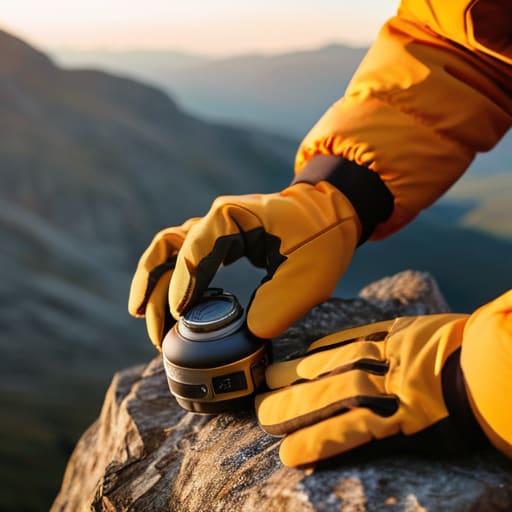
The mistake I see most often—and I’ve seen it from seasoned walkers to the more optimistic weekenders—is choosing a glove that is essentially a thick, useless mitten when you actually need to do something. If you can’t feel your zipper, adjust your stove, or manipulate a map, you’re going to end up frustrated, and frustration leads to mistakes. You need to find that sweet spot where you have enough thermal insulation for outdoor activities to keep the blood moving, but enough grip and tactile sensitivity to actually manage your kit.
I’ve spent many a damp afternoon in the Cairngorms trying to adjust a compass with gloves that felt like oven mitts. It’s a recipe for disaster when the light starts failing. My rule of thumb is to treat your hands like your torso: build a layering system for hands rather than relying on one heavy beast. I use a thin, merino-based liner for the fine work and a heavier, more robust shell for the wind and sleet. I’ve worn my current liner pair for three seasons of spring traverses, and the ability to feel the texture of a rock face or a climbing rope is worth more than any bulky, insulated chunk of fabric.
Five Things I’ve Learned When My Hands Actually Started to Fail
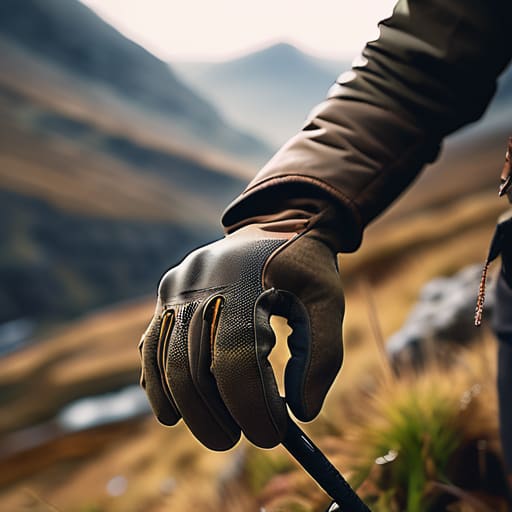
- Prioritise a “system” over a single pair. I’ve spent twenty years layering, and I never rely on one heavy mitten. I use a thin, synthetic liner for when I’m working with a map or a stove, and a heavy, waterproof shell for when the wind picks up on a ridge. If you only have one pair, you’re making a dangerous gamble with your dexterity.
- Test the cuff length before you buy. I once spent four hours in a sleet storm in the Cairngorms with water running straight down my sleeves because I’d bought “compact” gloves that didn’t overlap my jacket cuffs. You need enough material to tuck under your sleeve, or you might as well not wear them at all.
- Don’t trust “waterproof” labels blindly. I’ve used the same pair of Gore-Tex gloves for three seasons of heavy rain and mist, and they hold up, but if the seam taping is cheap, they’ll soak through in an hour. Look for reinforced palms; that’s where the abrasion from trekking poles or rocks will kill the fabric first.
- Check the weight versus the warmth. A massive, bulky mitten might feel great in the shop, but if it’s so heavy it pulls your arm down or makes it impossible to clip a carabiner, it’s useless. I prefer a high-fill synthetic that stays warm when damp—down is lovely for a dry campsite, but it’s a liability when the clouds break.
- Look for tactile feedback in the fingertips. I’ve had to navigate by compass in low light and fix a jammed zipper in freezing temperatures; if your gloves are too thick to feel what you’re doing, you’ll end up fumbling with gear you should have handled an hour ago. If you can’t feel the texture of a buckle through the fabric, they are too thick for technical work.
The Cost of a Wrong Decision
I’ve spent twelve hours on a ridge with frozen fingers and damp skin, so if you’re choosing gloves, don’t just look at the weight on the spec sheet—look at how they actually handle a sudden drop in temperature when the wind starts biting through your layers.
Bridget Halloran
The Final Layer
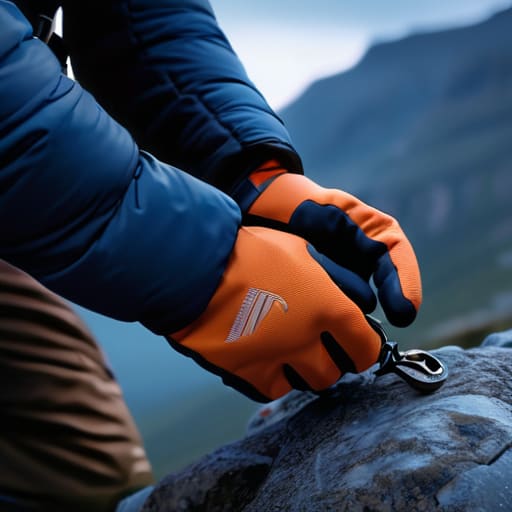
At the end of the day, choosing gloves isn’t about finding the most expensive pair in the shop; it’s about understanding the specific reality of your route. You need to weigh that trade-off between warmth and dexterity every time you pack your bag. If you’re heading into a high-altitude environment where the wind won’t stop biting, prioritize a robust shell and serious insulation. But if you’re navigating technical scrambles or fiddling with a map in the damp, you cannot afford to lose your sense of touch. I’ve learned the hard way that compromise is often where mistakes happen—if your gloves are too bulky to operate your stove or clip a carabiner, you’ve created a new problem while trying to solve an old one. Stick to the rule of three: breathability for the climb, insulation for the pause, and protection for the descent.
The hills don’t care how much you spent on your kit, and they certainly won’t give you a second chance if you’ve underestimated the drop in temperature. I’ve sat on many a ridge, watching the clouds roll in, knowing that the gear in my pack was the only thing standing between a manageable evening and a very long, very cold night. Don’t let a single moment of optimism about the weather dictate your safety. Instead, respect the environment, prepare for the worst-case scenario, and trust your decision to turn back if the conditions outpace your equipment. The mountains will still be there tomorrow, but you need to make sure you’re in a position to enjoy them.
Frequently Asked Questions
Should I prioritize a single heavy pair of waterproof gloves or a layering system with thin liners?
Go with the layers. I’ve spent too many afternoons stuck in a damp valley waiting for a cloud bank to pass to rely on one heavy pair. If you’re wearing a single waterproof glove and you start sweating, you’re finished; once that moisture hits your skin, the chill is permanent. I use a merino liner under a lightweight shell for every multi-day trek. It’s more weight in the pack, but it gives you control.
How do I know if a glove is actually breathable enough to prevent my hands from getting soaked in sweat during a steep ascent?
You don’t look at a spec sheet for that; you look at the lining and the vent placement. I’ve spent six hours on steep, humid ascents in the Cairngorms with my hands sweating inside my liners, and if there’s no moisture transport, you’re just wearing wet socks on your hands. If the glove uses a membrane, check if it’s a dedicated breathable layer or just a coating. If it feels plasticky inside, it’ll fail you.
At what temperature drop should I stop relying on dexterity and switch to my heavy-duty thermal mitts?
There isn’t a single magic number, but I’ve learned the hard way that once you start fumbling with your map or struggling to zip your jacket, you’ve waited too long. For me, if the temperature drops below freezing and the wind is biting, I switch to mitts immediately. I’ve spent three days on a ridge in sub-zero gusts, and if you lose dexterity, you lose the ability to manage your layers—and that’s when things go wrong.