I remember standing on a ridge in the Cairngorms three years ago, watching a group of hikers huddle under what they thought were high-end shells, only to watch the fabric turn translucent as the rain soaked through in minutes. They’d spent hundreds of pounds reading spec sheets and chasing brand names, yet they were shivering because they didn’t actually understand how to choose a waterproof jacket that survives a real mountain environment. Most marketing tells you that a higher water column rating is the only thing that matters, but they never mention how much you’ll sweat inside that “impenetrable” layer when you’re actually working a steep ascent.
I’m not here to sell you on the latest shiny membrane or repeat a manufacturer’s press release. My goal is to cut through the jargon and give you the unvarnished truth based on what actually happens when the wind picks up and the temperature drops. I’ll talk about breathability, seam construction, and weight, but I’ll only do so by telling you exactly how many hours I’ve spent in the rain wearing the gear I’m discussing. This isn’t a guide to the most expensive kit; it’s a guide to the gear that won’t fail you when the forecast lies.
Table of Contents
Membrane Types for Rain Gear and Real World Performance
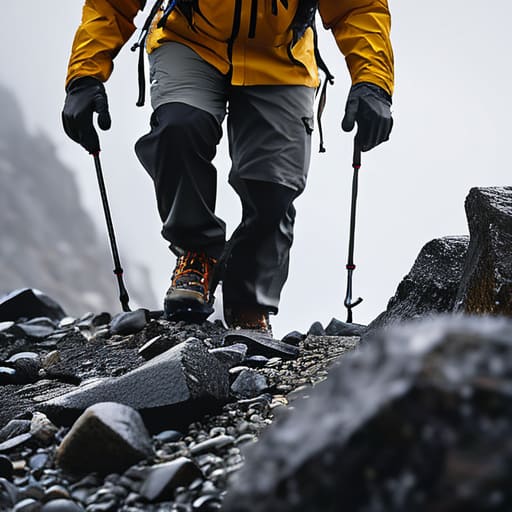
When you look at a spec sheet, you’ll see a lot of jargon about membrane types for rain gear, but most of it doesn’t tell you what happens when you’re halfway up a scree slope and the humidity spikes. You generally have two camps: the hard shells with a solid membrane—think Gore-Tex or similar—and the softer, more breathable options. I’ve spent the last four years relying on a heavy-duty 3-layer shell for my winter mountain leading. It’s a bit stiff, and it weighs about 540g, but when the wind is hitting 40 knots on a ridge, that structural integrity matters.
The real struggle is the constant battle of breathability vs waterproofing. A high waterproof rating is useless if the jacket turns into a plastic bag the moment you start climbing. I once tried a lighter, highly breathable mid-layer during a three-day trek in the Lake District; it handled the light mist well, but once the heavy rain set in, the sheer volume of water overwhelmed the membrane. If you’re moving fast and sweating, you need a membrane that can actually move moisture away before it settles against your skin.
Understanding Waterproof Rating Explained Without the Marketing Fluff
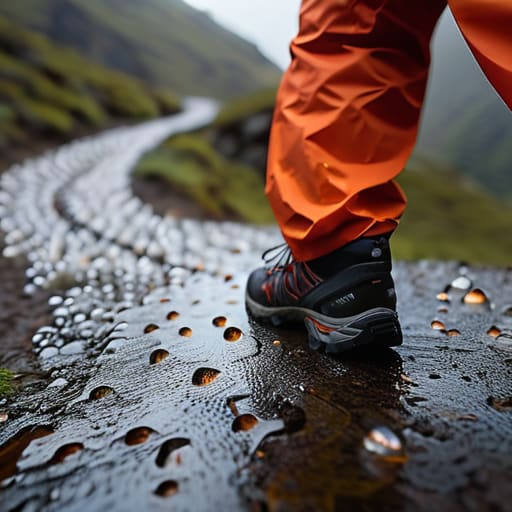
You’ll see numbers everywhere—20,000mm, 10,000mm, 30,000mm—and the marketing will tell you that a higher number means you’re invincible. It’s a simplification that ignores how gear actually behaves when you’re working hard. That millimeter rating is just a measure of how much water pressure a fabric can take before it leaks; it doesn’t account for the sweat soaking your base layer from the inside. In my experience, the real struggle isn’t just breathability vs waterproofing, it’s finding the equilibrium between the two when you’re mid-ascent and the humidity is spiking.
I’ve spent a decade testing shells in everything from fine Atlantic mist to driving sleet on the Cairngorms. A high waterproof rating is useless if the seam sealing technology is shoddy or if the fabric lacks the structural integrity to stay waterproof under the weight of a heavy pack. When you’re looking at specs, don’t just chase the biggest number. Look for a jacket that balances a decent hydrostatic head with a rating that actually reflects how much moisture can escape while you’re moving.
Five Things the Catalog Won't Tell You

- Prioritise breathability over a high water column rating. I’ve spent twelve hours in a steady, soaking rain in the Cairngorms wearing a jacket with a massive waterproof rating, but because the breathability was rubbish, I ended up soaked from the inside out by my own sweat. If you’re moving uphill, you need the air to move, or you’re just wearing a plastic bag.
- Check the pit zips before you buy. I have used the Patagonia Torrentshell for three seasons in various damp conditions, and while it’s a solid piece of kit, the lack of underarm ventilation is a dealbreaker for me on steep ascents. If you can’t dump heat quickly when the gradient kicks in, you’ll be stripping layers off and then freezing the moment you stop.
- Don’t ignore the hood’s architecture. A hood that sits too far forward will blind you when you’re looking at your map, and one that’s too loose will fly off the moment a gust hits you on a ridge. I’ve seen too many people lose their footing because they were fighting a hood that wouldn’t stay put in a twenty-knot wind.
- Test the weight against your actual kit list. A heavy, bombproof shell might feel great in the shop, but after six hours of walking with a twenty-kilo pack, every extra gram feels like a personal insult. I prefer a shell that weighs under 450g for long days, provided it doesn’t feel like tissue paper when the wind picks up.
- Look at the seam sealing, not just the fabric. I’ve seen “waterproof” jackets fail within a single season because the manufacturer skimped on the tape inside the seams. If the seams aren’t robustly taped, the most expensive Gore-Tex in the world won’t stop the rain from finding its way to your base layer.
The Myth of the Perfect Rating
A jacket isn’t just a piece of technical fabric; it’s a decision you make three hours before the clouds actually break. I’ve seen people freeze in a ‘high-rated’ shell because they didn’t account for the sweat buildup during a steep ascent, and I’ve seen people soaked to the bone in a cheap mac because they underestimated the wind speed on a ridge. Don’t buy a number on a spec sheet; buy the way it breathes when you’re working hard and how it holds up when the rain starts hitting sideways.
Bridget Halloran
The Final Layer of Decision Making

At the end of the day, choosing a jacket isn’t about finding the highest number on a spec sheet or the most expensive brand name; it’s about matching the gear to your specific brand of misery. You need to weigh the breathability of a membrane against the actual weight on your shoulders, and you have to accept that no piece of kit is a magic shield against a true mountain storm. If you’re moving fast and light on summer scrambles, a lightweight shell might suffice, but if you’re planning to spend eight hours navigating a ridge in a sustained gale, you need something with the durability to handle a heavy pack and the protection to keep your core temperature stable. Don’t get distracted by the marketing fluff; focus on how the garment actually performs when you are wet, tired, and cold.
I have spent more than two decades watching people make the mistake of thinking a “water-resistant” layer is the same as a waterproof one, usually right before the temperature drops and the wind picks up. The right jacket won’t make the weather any better, but it will give you the margin of safety you need to make a sensible decision about when to push on and when to turn back. Respect the forecast, but more importantly, respect your gear. When the clouds drop and the visibility vanishes, you’ll be glad you chose a tool that works rather than a piece of clothing that just looks good in a shop window.
Frequently Asked Questions
How do I balance the need for a high waterproof rating with the breathability required so I don't soak myself from the inside out while climbing?
It’s the classic trade-off. I’ve spent ten days straight in the Cairngorms wearing a heavy-duty 3-layer Gore-Tex Pro shell; it’s bone-dry, but if you’re working hard on a steep ascent, you’ll feel that humidity building. To balance it, look at the MVTR (Moisture Vapor Transmission Rate) rather than just the waterproof rating. If you’re climbing, prioritize breathability and mechanical venting—like pit zips—over a massive water column rating. A slightly less “waterproof” jacket that breathes is better than a tank that turns you into a sauna.
Are heavy-duty Gore-Tex shells actually better for long days in the hills, or am I just carrying unnecessary weight that will slow me down?
It depends on whether you’re moving fast or just trying to stay alive. I’ve spent ten years in heavy 3-layer Gore-Tex shells during winter traverses in the Cairngorms; they’re bombproof and they don’t crack when the wind hits forty knots. But if you’re doing fast scrambles in July, that extra 300g feels like wearing a plastic bag. If you’re stationary or in a gale, go heavy. If you’re racing the light, don’t.
How do I know if a jacket's "waterproof" claims will actually hold up against a sustained sideways gale on a ridge versus just a light afternoon shower?
You’re talking about hydrostatic head, but that number is a laboratory lie. A jacket can pass a 20,000mm test in a still room and still fail you when the wind is driving rain horizontally into the collar or cuffs. For a ridge gale, forget the rating and look at the construction. If it doesn’t have taped seams and a robust, adjustable hood that won’t flap into your eyes, that “waterproof” rating won’t save you.