I spent three hours huddled under a granite overhang in the Cairngorms last November, watching a group of hikers realize that their “state-of-the-art” shells were doing absolutely nothing to stop the wind from driving sleet straight through their shoulders. It’s a miserable feeling, that sudden realization that you’ve been lied to by a glossy brochure. Most gear companies want to bury you in jargon about “molecular structures” and “proprietary membranes” to justify a four-hundred-pound price tag, but the reality of how waterproof fabrics work is much simpler and, frankly, much more temperamental. If you don’t understand the physics of the breathability versus the barrier, you aren’t buying protection; you’re just buying an expensive, damp plastic bag.
I’m not here to repeat a press release or sell you on a brand name. Instead, I’m going to strip away the marketing nonsense and explain the actual mechanics of staying dry when the weather turns sideways. I’ll tell you exactly why your jacket might fail when you’re working hard on a steep ascent, and I’ll give you the unfiltered truth about what these layers can actually handle. My goal is to make sure that when you’re standing on a ridge in a horizontal downpour, you actually trust your kit to do its job.
Table of Contents
Microporous Membrane Technology vs Simple Textile Permeability

Most people think a waterproof jacket is just a thick, plastic-like shield, but there is a massive difference between a simple fabric that resists a bit of spray and something with actual microporous membrane technology inside. A basic water-resistant textile relies on tight weaves to physically block droplets, but it’s a blunt instrument. If you’re working hard on a steep ascent in a gale, that method fails because it doesn’t account for the heat you’re generating.
Real breathable shells use a membrane—think of it as a microscopic layer of holes that are too small for a liquid water droplet to squeeze through, but large enough for moisture vapor to escape. This is where the moisture vapor transmission rate becomes the only number that actually matters to me. I’ve spent years wearing membranes like Gore-Tex and eVent through six-hour treks in the Lake District; if the membrane can’t move that steam away from your skin, you aren’t staying dry, you’re just sitting in a personal sauna. It isn’t about being “waterproof” in a vacuum; it’s about managing the physics of your own sweat before it turns into a chill.
Waterproof vs Water Resistant Knowing the Difference Before Youre Wet

People tend to use these terms interchangeably, but in my experience, that’s a mistake that usually ends with someone shivering in a tent at 4:00 AM. “Water-resistant” basically means the fabric can handle a light drizzle or some mist for a short period, usually thanks to a DWR coating function that makes water bead up and roll off. It’s fine for a walk in the park, but it isn’t a shield. Once that chemical treatment wears down or the fabric gets saturated, the moisture finds its way through the weave.
“Waterproof” is a different beast entirely. This implies there is a physical barrier—like the membranes we just discussed—preventing liquid from passing through. When you see gear marketed with a hydrostatic head rating explained on the tag, it’s telling you how much water pressure that fabric can take before it leaks. I’ve spent ten years testing shells in the Lake District, and I’ve learned that a high rating is vital when you’re leaning into a gale on a ridge, not just when you’re strolling through a light shower. One is for convenience; the other is for survival.
Five ways to stop your gear from failing when the clouds drop
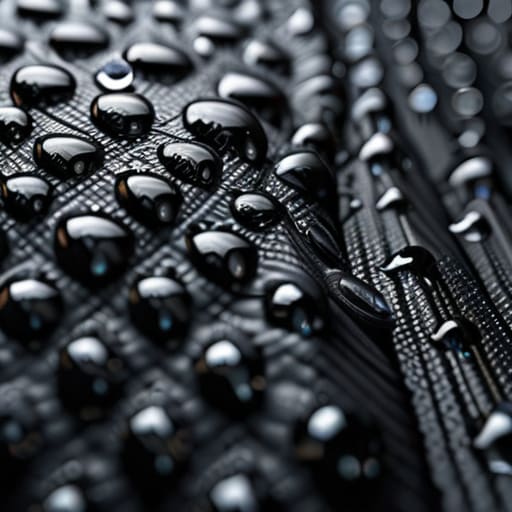
- Don’t mistake a DWR coating for a waterproof layer. I’ve spent many a damp afternoon watching people realize that when the water-repellent spray on their jacket wears off, the fabric “wets out.” Once the outer face is soaked, that expensive membrane underneath can’t breathe because the moisture can’t escape through the saturated surface. I’ve used the Nikwax Tech Wash on my shells for about six seasons now, and if you aren’t washing the dirt out of the fabric, you aren’t letting the breathability work.
- Watch the pressure. A membrane works by letting vapor through, but it’s a struggle against physics. If you are working hard—climbing a steep ridge or hauling a heavy pack—you are creating internal pressure. If your jacket is rated for low breathability, that sweat gets trapped, turns to liquid, and suddenly you’re shivering in a cold, wet layer even if the rain isn’t hitting you.
- Seam tape is your actual lifeline. You can have the most advanced Gore-Tex in the world, but if the manufacturer was lazy with the seam sealing, you’ll be wearing a sieve. I’ve inspected dozens of second-hand shells over the years, and the first thing I look for is any lifting or cracking in that internal tape. If the tape fails, the technology behind it is irrelevant.
- Understand that “waterproof” is a relative term, not an absolute one. Every rating (like 10,000mm or 20,000mm) is just a measurement of how much water pressure it takes to force a drop through the fabric. In a steady drizzle, a low rating is fine. In a horizontal gale on a Lakeland ridge, you need that higher hydrostatic head, or the wind will literally push the rain through the weave.
- Manage your microclimate or you’ll lose the battle. I always tell my groups: if you feel yourself getting clammy, stop and vent. Open the pit zips. It is much easier to manage a bit of wind chill by shedding a layer than it is to try and dry out a body that has been soaked in its own sweat for three hours. Use the ventilation before you need it.
The Reality of the Membrane
“A waterproof jacket isn’t a magic shield; it’s a high-stakes balancing act. You’re essentially trying to wear a sophisticated sieve that’s smart enough to let your sweat out as vapour, but stubborn enough to stop a driving sleet from coming in. The second that balance fails—whether because the membrane is saturated or you’ve pushed too hard in high humidity—you aren’t just wet from the rain; you’re soaked from your own effort, and that’s when the real trouble starts.”
Bridget Halloran
Choosing Your Shell
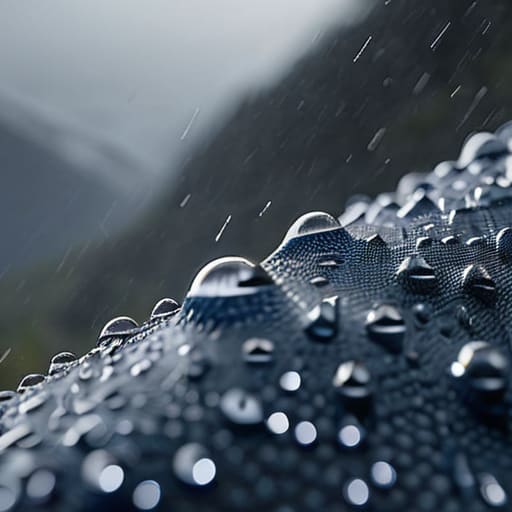
At the end of the day, understanding the difference between a simple water-resistant windbreaker and a high-spec microporous membrane comes down to how much you expect to sweat. If you are planning a gentle stroll on a dry day, you don’t need a heavy, non-breathable plastic sheet that turns you into a human sauna. But if you are heading into a sustained ridge walk where the wind is driving rain sideways, you need that technical sieve to work. Remember, a membrane is only as good as your ability to manage your own internal moisture levels. Don’t just buy the most expensive layer because the box looks impressive; buy the one that matches the intensity of your movement and the reality of the forecast.
I have spent twenty-two years watching people struggle because they treated their waterproofs as a magic shield rather than a tool for moisture management. Gear can keep the rain off your skin, but it can’t make up for a lack of planning or an overly optimistic attitude toward a darkening sky. Respect the technology, but respect the weather more. When you understand how your layers actually function, you stop fighting against your clothes and start moving with the mountain, instead of against it. That is the difference between a day spent enjoying the view and a day spent just trying to stay dry.
Frequently Asked Questions
If the membrane is a "sieve" for sweat, why do I still end up feeling damp and clammy after a steep ascent?
It’s the “vapor pressure gradient” problem, though I usually just call it the physics of being too hard at work. A membrane only moves moisture if there’s a difference in pressure between your sweaty skin and the air outside. On a steep ascent, your internal heat and humidity spike so fast the membrane can’t keep up with the volume. You aren’t leaking; you’re just outrunning the technology. This is why I always vent before I start sweating.
How much does the actual pressure of a heavy downpour or a wet backpack against my back affect how well the fabric breathes?
It’s a fair question, and one that usually comes up when people realize they’re sweating through their shell despite the “breathability” rating. The short answer is: yes, it matters immensely. When you’re wearing a heavy pack, you’re essentially compressing the membrane against your skin, which physically blocks those microscopic pores from moving moisture. I’ve spent three days straight on the Cairngorms with a 15kg pack, and the sweat buildup under the shoulder straps is unavoidable. No membrane can fight physics.
Does the way I wash my waterproof jacket actually change how well the membrane works over time?
It doesn’t just change it; it’s often the reason your jacket fails. I’ve seen too many people treat their shells like a gym shirt. If you let body oils, sweat, and grit build up, they clog those microscopic pores and kill the breathability. I’ve used my Rab shell for five seasons now, washing it with technical cleaner every twenty outings in heavy rain. If you don’t wash it, you aren’t wearing a waterproof; you’re wearing a plastic bag.