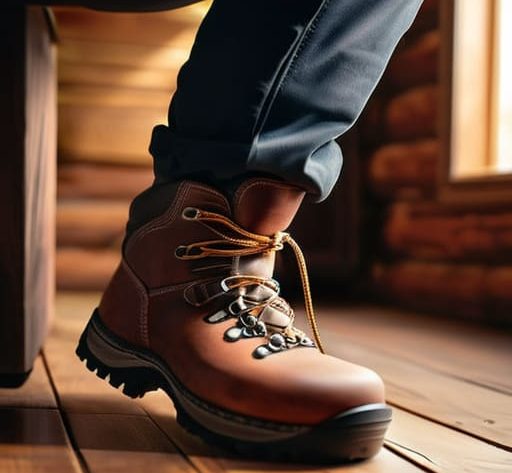
I once spent four hours on a sodden ridge in the Cairngorms, watching a perfectly capable group of walkers slowly descend into a state of misery, not because the terrain was too technical, but because they’d ignored the basics of how to fit walking boots properly. I watched one man, who had clearly spent a small fortune on high-end leather, fighting a losing battle against a heel that lifted with every single step. By the time we reached the glen, his feet weren’t just sore; they were raw and weeping. People think fitting boots is about finding the most expensive brand or the prettiest silhouette, but that’s a dangerous kind of optimism that usually ends in a very long, very painful walk back to the car.
I’m not here to sell you on a specific brand or repeat a marketing brochure. Instead, I’m going to tell you exactly what to look for when you’re standing in that cramped shop, from the way your toes should feel against the front to the specific tension you need in your laces. I’ll share what I’ve learned from twenty-two years of wet, heavy, and punishing miles to ensure you get it right the first time.
Table of Contents
The Walking Boot Toe Room Guide for Real Conditions
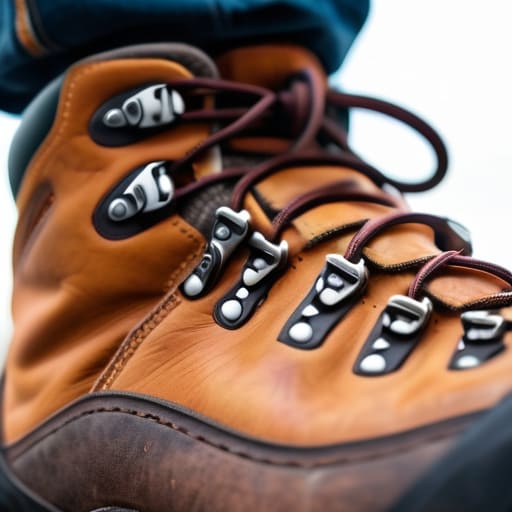
Most people think “roomy” means “comfortable,” but in my experience, that’s a dangerous assumption. I’ve spent twenty years watching people’s toes turn purple or, worse, smash against the front of the boot during a descent. A proper walking boot toe room guide isn’t about having space to wiggle your toes like you’re in trainers; it’s about having just enough clearance so that when you’re navigating a steep, rocky scree slope, your toes don’t strike the end of the boot with every step. I’ve used my current pair of Meindls through three seasons of heavy mud and freezing slush, and I always ensure there is about a thumb’s width of space between my longest toe and the front cap.
You also need to account for the correct sock thickness for boots before you even consider the fit. I never test a boot in thin cotton socks; I always use the heavy merino wool liners I actually carry on multi-day treks. If you have the right amount of space but your foot is sliding forward, you aren’t preventing blisters—you’re just delaying them. You need that precise balance where the boot holds the foot, but the toes have room to breathe.
Achieving a Secure Heel Lock Before the Descent
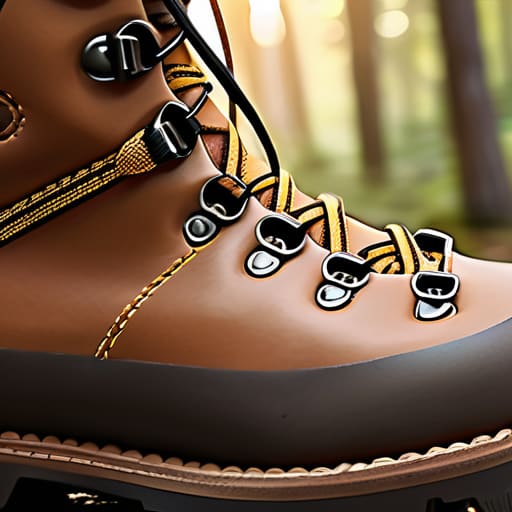
If your heel is lifting even slightly with every step, you aren’t just dealing with an annoyance; you are inviting friction. I’ve seen too many people end a ridge walk early because they ignored that micro-movement. Achieving a secure heel lock is about more than just pulling the laces tight; it’s about the relationship between your foot, the insole, and the lacing pattern. If you feel that slip, try the “surgeon’s knot” or a heel-lock lace technique. It pulls the collar of the boot tighter around the ankle without cutting off circulation to your toes, which is vital when the temperature drops and you need that blood flow.
You also need to consider the footbed and insole importance here. I’ve used the factory insoles in my leather boots for over five seasons, and while they work, a dedicated orthotic or a thicker technical insole can fill that extra volume in a boot that feels slightly too roomy. If the volume is off, no amount of tightening will stop the sliding. Don’t just rely on the laces; make sure the internal architecture of the boot is actually supporting the arch and holding the heel in place.
Five Practical Checks Before You Commit to the Miles
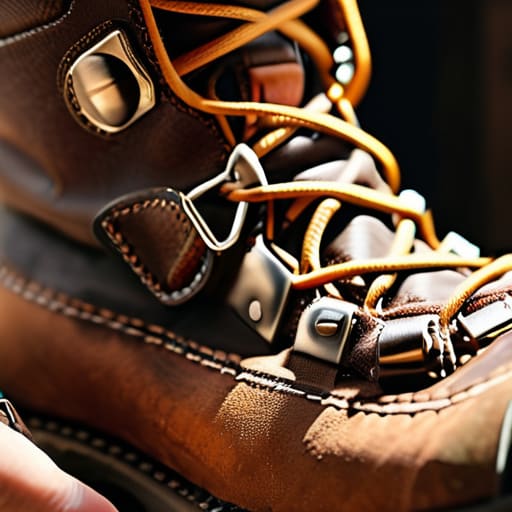
- Test your fit with the socks you actually intend to wear. I’ve seen too many people buy boots in thin cotton trainer socks, only to find that once they pull on their proper mid-weight Merino wool hiking socks, the boot is suddenly a vice. I’ve used the same pair of Darn Toughs for four seasons now, and they change the volume of your foot more than you’d think.
- Don’t trust your feet when they are at their smallest. Your feet will swell after four hours of ascending in humidity or heat. If you fit your boots at 8:00 AM in a temperature-controlled shop, you’ll be paying for it by 2:00 PM on the ridge. I always suggest a late afternoon fitting or, if possible, a walk around the block first to get the blood moving.
- Check the instep pressure, not just the toes. A boot can feel fine at the front but squeeze the top of your foot too hard, which restricts circulation. I’ve worn my Scarpa trekking boots for over 300 days across various terrains, and if that instep pressure is even slightly off, my feet go numb within the first hour. If it feels like a clamp, it’s the wrong last for your foot shape.
- Perform the “slide test” on an incline. Find a ramp or a steep bit of pavement in the shop. If your foot slides forward and jams your toes into the front of the boot while going up, you’re looking at bruised nails on the descent. If it slides while going down, your heel isn’t locked. It’s a binary test: either it holds, or it doesn’t.
- Look for “hot spots” while walking, not just standing. A boot can feel perfectly comfortable while you’re standing still in a shop, but the moment you introduce a gait or a lateral movement, the friction starts. Walk briskly, turn, and step up and down. If you feel a rub now, it will become a wound once you’re five miles from the trailhead.
The Cost of an Optimistic Fit
I’ve seen too many people try to “break in” a boot that’s a size too small because they wanted to feel light on their feet, only to find themselves five miles from the trailhead with feet that feel like they’ve been through a meat grinder. A boot that fits perfectly in a warm shop is rarely the boot that fits when your feet have swollen after six hours of ascending in a steady drizzle.
Bridget Halloran
The Final Check Before You Step Out
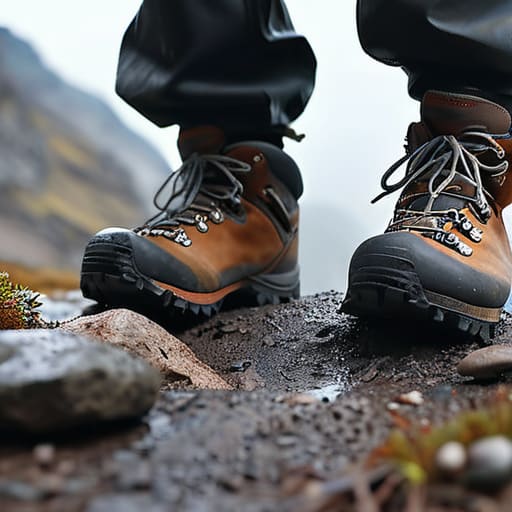
At the end of the day, fitting boots isn’t about finding something that feels “comfy” in the shop while you’re standing on a carpeted floor. It is about ensuring that when you are six hours into a descent, carrying a twenty-pound pack through scree in a sudden downpour, your feet aren’t a liability. You need that critical toe room to prevent black toenails, and you need a heel that stays locked in place so you aren’t fighting your own footwear on every downward step. If you have to compromise on the fit just to get the look you want, you’ve already lost the battle. Don’t ignore the small things—the thickness of your socks or the way the lace tension feels on your instep—because those tiny details are what prevent a minor discomfort from becoming a mountain emergency.
I have seen too many people push through a ridge walk with a throbbing foot, convinced they can “tough it out,” only to find themselves descending in the dark, exhausted and unable to focus on the terrain. The mountains don’t care about your optimism; they only care about your preparation. Getting your boots right is the most fundamental bit of kit management you will ever do. When your feet feel secure and stable, your mind is free to actually look up—to watch for a peregrine on the thermals or to read the changing clouds on the horizon. Invest the time now, so that when the weather turns, your gear is the last thing on your mind.
Frequently Asked Questions
Should I be fitting my boots while wearing the exact socks I plan to use on the trail, or is there a better way to account for foot swelling?
Always fit them with the exact socks you’ll be wearing on the trail. I’ve seen too many people test boots in thin cotton liners, only to find their toes hitting the front once they’ve pulled on heavy Merino wool mid-way through a ridge walk. If you’re worried about swelling, do your fitting in the afternoon when your feet are naturally larger. I’ve used my current pair for four years through every season, and the afternoon fit is the only one that has ever stayed reliable.
How much does the weight of my pack change how I should feel about the boot fit when I'm actually on the mountain?
When you’ve got twenty kilos of gear pulling your center of gravity down, that “perfect” fit in the shop changes. A heavy pack forces your feet into the front of the boot on every descent. If you don’t have enough volume in the toe box, you aren’t just uncomfortable; you’re looking at bruised nails by lunch. I’ve spent fifteen years carrying heavy loads, and I always err on the side of slightly more room when the pack weight goes up.
If I have a wide forefoot but a narrow heel, is it better to size up for comfort or stick to my true size to prevent slipping?
This is the classic dilemma, and it’s where most people make a mistake that ends in a long, painful descent. Don’t size up just to accommodate the forefoot; you’ll end up with a “clown shoe” effect that leaves your heel swimming. Instead, find a boot with a wider last or use a volume-reducing insole. I’ve used the Meindl Vakkel for six seasons in heavy mud, and the extra width is a lifesaver without sacrificing that crucial heel lock.