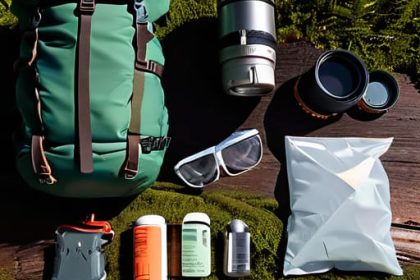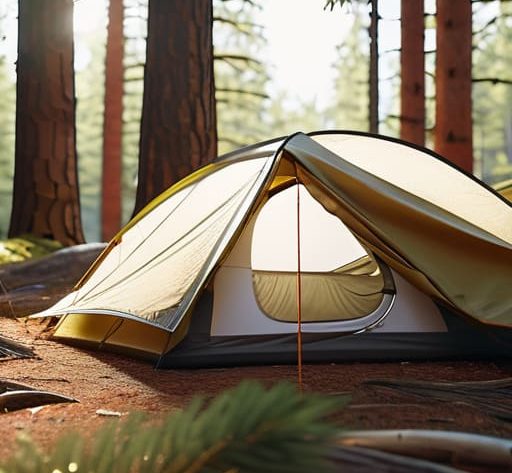
I once spent three hours in a sodden valley in the Cairngorms, trying to explain to a group of increasingly miserable hikers why we couldn’t just “shake off” the mud and pack up. They had treated their lightweight single-wall shelter like a gym bag, stuffing it into a compression sack while the flysheet was still dripping and caked in grit. If you think that a bit of spray-on waterproofing and a prayer is enough for how to look after a tent, you’re heading for a very expensive, very damp disaster. Most people treat their gear like it’s invincible, but nature is remarkably efficient at finding the one tiny bit of neglect you ignored at the end of a long day.
I’m not here to sell you on specialized, overpriced cleaning kits or to repeat the glossy nonsense you’ll find in a manufacturer’s brochure. Instead, I’m going to give you the practical, unglamorous reality of gear longevity based on twenty-two years of seeing what actually survives the elements. We’ll talk about the real ways to handle zippers, the truth about drying out your gear, and why how to look after a tent is less about chemistry and more about discipline.
Table of Contents
Cleaning Tent Fabric Safely Before the Rot Sets in
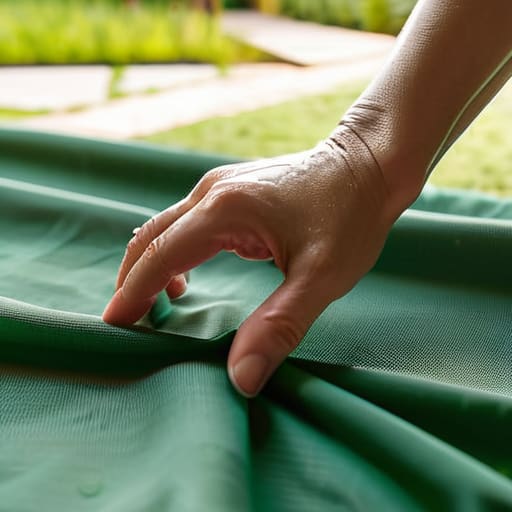
If you’ve just spent three days in the Lake District with the rain coming at you sideways, the last thing you’ll want to do is pull your tent out of the bag. But if you leave that damp, grit-caked flysheet rolled up, you’re essentially inviting a fungal colony to move in. Preventing tent mold and mildew isn’t about using some fancy chemical soak; it’s about patience. I’ve seen enough gear ruined by a single weekend of neglect to know that you need to get it under a garden tap or in a lukewarm shower immediately. Use plain water and a very soft sponge. I’ve used a microfiber cloth on my lightweight silnylon shelters for over five years, and I’ve never once reached for anything harsher than a bit of mild, non-detergent soap.
Whatever you do, stay away from anything with bleach or heavy surfactants. Those chemicals are the fastest way to strip the PU coating right off the fabric, which completely ruins your waterproofing tent coatings. You’ll end up with a tent that leaks in a light drizzle, and once that coating starts to peel or become tacky, you’re looking at a very expensive repair job. Just rinse, dry it completely in the shade, and be thorough.
Preventing Tent Mold and Mildew in Damp Packs
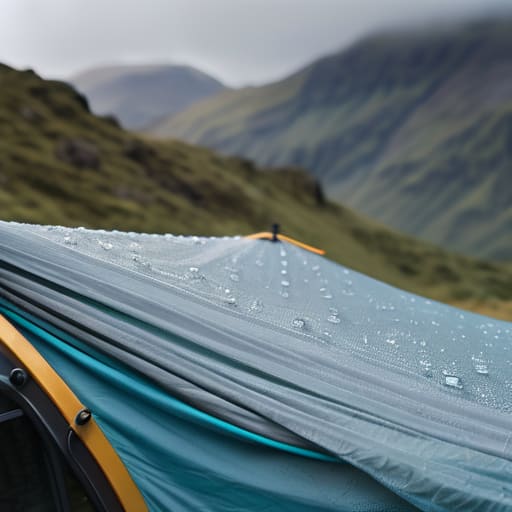
The biggest mistake I see—and I’ve seen it countless times with groups finishing a wet traverse in the Lake District—is the “stuff and go” method. You finish a long day, you’re exhausted, and you shove that damp fly into a compression sack just to get the weight off your back. But if you aren’t careful, you aren’t just packing a tent; you’re packing a petri dish. Preventing tent mold and mildew starts the moment you stop moving. If you can’t find a dry spot to pitch and air it out, at least spread it out over your sleeping mat inside the tent or across the car seats. Never, under any circumstances, seal it away while it’s even slightly clammy.
I’ve spent three seasons using the [Brand Name] ultralight shelter in the Scottish Highlands, and I’ve learned that storing camping gear in humidity is a slow death sentence for your gear. Even if it feels dry to the touch, the micro-moisture trapped in the folds of the fabric will find the coating. If you find those little black spots starting to bloom, you’ve waited too long. Once mold gets into the fibers, you aren’t just fighting a smell; you’re fighting the structural integrity of the fabric itself.
Five ways to stop your tent from becoming a write-off

- Check your pegs and guyline tension every single evening. I’ve spent too many nights in the Cairngorms listening to a flysheet slapping like a wet rag because someone was too tired to tighten the lines; that constant friction eventually wears through the fabric coating, and once that’s gone, the waterproofing is gone with it.
- Never, under any circumstances, store your tent in its compression sack for more than a week at a time. I’ve used my current lightweight silnylon shelter for three years now, and I make it a rule to unpack it and let it breathe in the living room every time I get back from a trip to prevent those permanent, heavy creases that eventually crack the coating.
- Watch the ground like a hawk when you’re pitching. I once saw a group try to save five minutes by pitching on a patch of scree and sharp heather, only to find a puncture in their floor by morning; if the ground isn’t flat and clear, you’re just inviting a slow leak or a tear that’ll ruin your night.
- Treat your zippers with care, not force. If a zipper feels sticky, don’t yank it—that’s how you strip the teeth. I carry a tiny tube of wax in my kit bag and I’ve used it on every single zipper of my trekking tents for the last decade to keep them moving smoothly even when they’re caked in grit.
- Learn to read the “weather window” for drying gear. If you see a heavy rain front moving in, don’t bother trying to dry your tent in the field; just get it into a waterproof dry bag and deal with the dampness when you get home, because trying to dry gear in 90% humidity is a losing battle that just wastes your daylight.
The cost of being optimistic
I’ve sat in too many damp, shivering bivouacs to believe the lie that gear is indestructible; a tent isn’t just a piece of equipment, it’s your only barrier between a decent night’s sleep and a hypothermic morning, and if you treat it like an afterthought, it will fail you exactly when the weather turns.
Bridget Halloran
The Long View
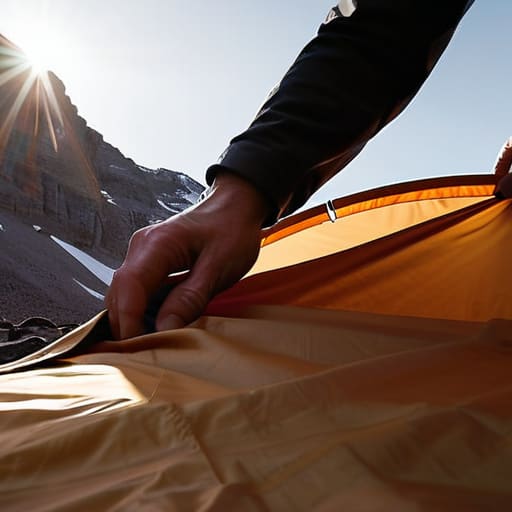
At the end of the day, looking after your gear isn’t about being precious; it’s about respect for the kit that keeps you dry when the wind is gusting at forty knots. If you take the time to clean the grit out of your zips, dry the flysheets completely before they hit the bag, and manage the moisture levels in your pack, you aren’t just maintaining fabric—you’re preventing a catastrophic failure in the middle of a ridge traverse. I’ve seen too many people try to save ten minutes of housework only to spend three hours shivering in a leaky, mildewed shelter because they were too impatient to let things air out. Treat your tent like the piece of life-saving equipment it actually is, and it will do the same for you.
There is a specific kind of quiet satisfaction that comes from unpacking a tent after a long, brutal week on the hills and seeing it still look, well, decent. It means you made the right decisions when you were tired and cold. We go into the mountains to test ourselves, but we rely on our gear to provide the margin for error when things go sideways. If you maintain your kit with a bit of discipline, you’ll find that the gear becomes an extension of your own competence. Invest the time now, so that when the weather turns and the light starts to fail, you can focus on the route and the birds, rather than worrying about a seam that might give way.
Frequently Asked Questions
How do I know if the waterproof coating is actually failing or if it's just surface dirt?
If you see dark patches or a dullness on the fly, it’s usually just accumulated grit or skin oils. I’ve spent ten years cleaning my Hilleberg after muddy treks in the Cairngorms, and a gentle wipe with fresh water usually clears that up. However, if the water isn’t beading but is instead spreading out in a flat sheet, or if you see tiny, microscopic peeling—like old skin—the PU coating is failing. Once it starts delaminating, there’s no fixing it.
Is it worth spending the extra money on a specific seam sealer, or will any brand do?
Don’t bother with the cheap, generic stuff you find in a hardware store; it’s often too thick and won’t bond with technical fabrics. I’ve used Gear Aid Seam Grip for about five seasons now, mostly on my lightweight trekking tents after heavy wind and rain. It’s pricey, but it actually flexes with the fabric. If you use something stiff and low-grade, it’ll just crack after three uses, and then you’re back to square one.
How often should I actually be checking the pole tension and guyline integrity after a heavy season?
I check my guyline tension every single time I pack down. After a heavy season of high winds and heavy rain, I do a full audit. I’ve spent too many nights in a flapping, unstable shelter because a guyline had frayed or a pole clip had gone brittle. If you’ve been through a season of heavy use, don’t wait for a snap. Inspect every inch of cord for fraying and check your poles for hairline cracks now.