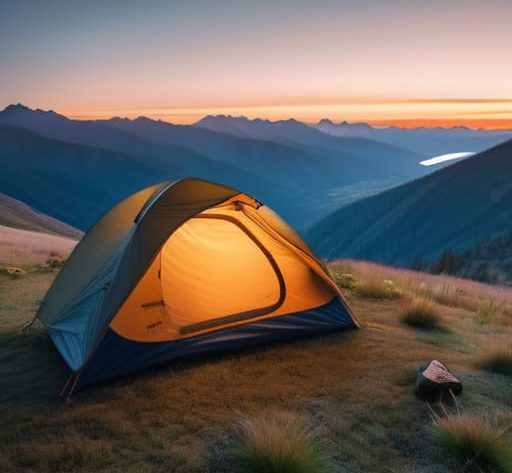
I was standing on a ridge in the Cairngorms three years ago, watching a group of hikers try to pitch a high-tech, ultralight tent on a patch of ground that was clearly a nesting site for a pair of golden eagles. They weren’t being malicious; they were just too focused on their GPS coordinates to notice the biological reality right in front of them. Most people think learning how to wild camp responsibly is about reading a list of rules in a guidebook or buying a specific brand of biodegradable soap, but that’s just marketing fluff. In reality, it’s about developing a sense of situational awareness that tells you when a beautiful spot is actually a fragile habitat that needs to be left alone.
I’m not here to sell you on the latest expensive gear or give you a lecture that sounds like a park ranger’s disciplinary hearing. Instead, I’m going to give you the unfiltered truth based on twenty-two years of walking these hills and seeing exactly where people go wrong. We’ll talk about the boring, essential stuff—like managing waste when the ground is frozen and how to read a landscape so you don’t leave a trace—because that is how you stay welcome in the places we love.
Table of Contents
Wild Camping Gear Essentials for Staying Dry and Unseen
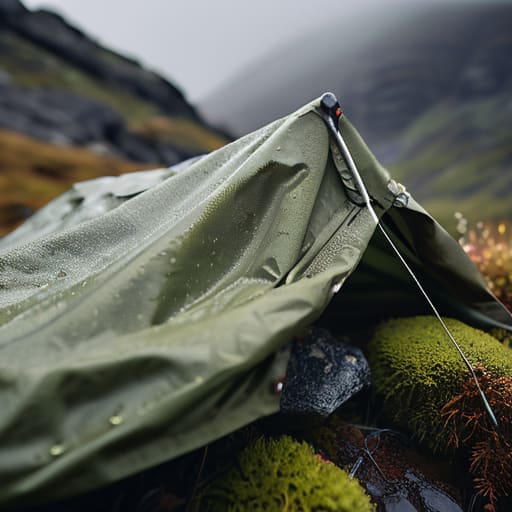
When you’re picking your wild camping gear essentials, forget the marketing fluff about “ultralight adventures” and focus on what actually keeps you from shivering in a damp tent at 3:00 AM. I’ve spent the last four years using the Rab Gentian jacket for everything from ridge scrambles to heavy mist, and it’s the only shell that hasn’t felt like a plastic bag after six hours of horizontal rain. It weighs about 350g, and while it’s not a heavy-duty mountaineering shell, it’s the difference between a dry night and a hypothermic one. If your gear fails, you aren’t just uncomfortable; you’re a liability to yourself and anyone who might have to come looking for you.
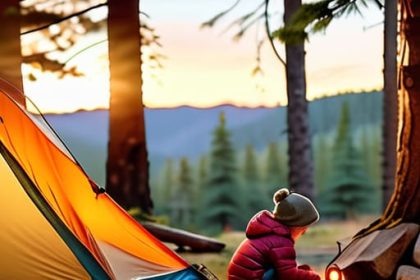
Beyond the technical kit, staying unseen is about minimizing environmental impact through how you set up camp. I never pitch on bare ground if I can help it; I look for established, durable surfaces like rock or thick leaf litter to avoid crushing sensitive vegetation. It’s also about your light footprint. I carry a small, lightweight trowel for strict camping waste management—if you aren’t burying your business properly and far from water sources, you aren’t camping, you’re just being messy.
Wild Camping Safety Tips Before the Daylight Fades
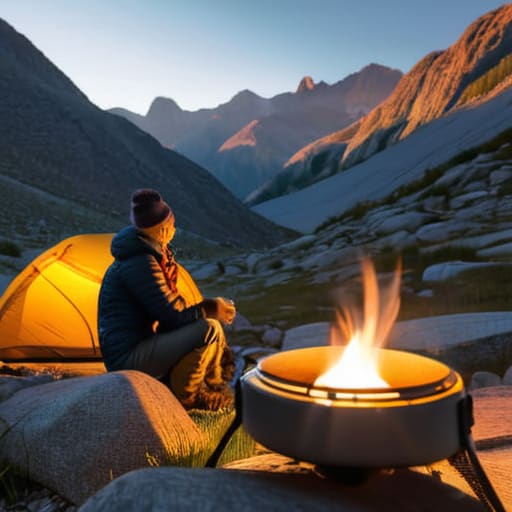
The biggest mistake I see isn’t a lack of kit; it’s a lack of timing. People treat the sunset like a suggestion rather than a hard deadline. I’ve stood on a scree slope at 5:00 PM with a heavy pack, watching the light drain out of the valley, knowing that if I don’t find a level, sheltered spot in the next twenty minutes, I’ll be fumbling with tent pegs in the dark. That’s when mistakes happen—tripping on a rock, losing a stove, or setting up in a spot that’s actually a natural drainage line. Your goal should be to be settled and eating at least an hour before dusk.
When choosing your site, remember that being a good guest means minimizing environmental impact by staying off the most fragile ground. Avoid camping right next to established paths or in the middle of a clearing where you’re visible from a distance; it’s better for the landscape and better for your peace of mind. If you are following wild camping safety tips, you should also be looking for natural windbreaks. A single gust on a ridge can turn a lightweight tent into a kite, and no amount of gear will save you if you’ve picked a site that ignores the wind direction.
Five Ways to Leave the Hill Exactly How You Found It
- Respect the nesting cycle. I’ve spent over a decade logging raptor nests, and there is nothing more disruptive than a camper setting up a tent fifty yards from a fledgling’s ledge. If you see signs of activity—scat, feathers, or disturbed ground—move on. It’s better to walk an extra two miles to a less “perfect” spot than to cause a bird to abandon its young.
- Stick to the hard ground. I’ve spent nine years doing footpath repair, and I can tell you that the “shortcuts” people take to avoid a bit of mud are exactly what turn a meadow into a boggy wasteland. Pitch your tent on durable surfaces—rock, gravel, or short grass—and avoid those lush, mossy patches that look inviting but take years to recover once you’ve crushed them.
- Manage your waste like your life depends on it, because your reputation does. This isn’t just about wrappers; it’s about human waste. If there’s no toilet, dig a hole at least six inches deep, well away from any water source, and bury it. I’ve seen too many people leave “biodegradable” scraps like orange peels or apple cores—they don’t disappear overnight, and they don’t belong in a mountain ecosystem.
- Keep the fire to a minimum, or better yet, forget it entirely. I’ve used my current lightweight gas stove every single weekend for the last three years in everything from mild spring winds to freezing October sleet, and it’s never failed me. Using a stove instead of a campfire prevents the scorched earth and ring scars that stay visible for decades. If you must use a fire, use a designated pit or a portable fire mat.
- Control your noise footprint. The mountains aren’t a pub garden. When you’re wild camping, you’re a guest in a very quiet, very fragile home. Keep the music off and the shouting to a minimum. If you’re the person making a ruck at 10 PM on a ridge, you’re the reason the local authorities start tightening the rules for everyone else.
The Cost of a Footprint
“Wild camping isn’t about finding the most spectacular view; it’s about finding the spot where, by tomorrow morning, it’s as if you were never there. If you leave a crushed patch of heather or a ring of ash from a fire, you aren’t a traveler, you’re just another person making the hills harder for the rest of us.”
Bridget Halloran
The Quiet Responsibility of the Ridge
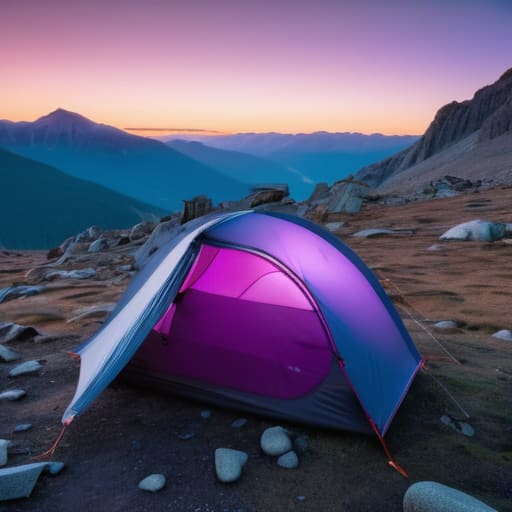
Ultimately, wild camping isn’t about conquering a landscape; it’s about learning to exist within it without leaving a scar. We’ve covered the essentials: the gear that keeps you dry without being an eyesore, the safety margins you need to set before the light fails, and the discipline required to pack out every single scrap of waste. It comes down to a few simple, non-negotiable habits—staying on durable ground, keeping your footprint small, and respecting the seasonal rhythms of the wildlife that actually lives there. If you can master the boring stuff, like managing your waste and timing your descent, you avoid becoming a burden on rescue services and a nuisance to the environment. Good wild camping is invisible.
There is a specific kind of silence you only find when you’ve pitched your tent in the right place, at the right time, and left no trace that you were ever there. It’s a hard-won feeling, earned through careful planning and a healthy respect for the weather. When you do it right, you aren’t just a visitor; you become a temporary, silent part of the ecosystem. The mountains don’t owe us anything, but if we approach them with humility and the right kit, they tend to offer up something far more valuable than a view: a sense of genuine, unblemished connection to the wild.
Frequently Asked Questions
How do I know if I'm actually too close to a nesting site to pitch my tent without causing a problem?
If you’re looking at a ledge and thinking, “That looks like a perfect spot,” but there’s a sudden silence in the trees or a bird circling low and agitated, you’re too close. I’ve spent years logging raptor nests, and the rule is simple: if you can see the nest, you’re already intruding. If you aren’t sure, move another 200 metres away. It’s better to pitch on a slightly less scenic patch of heather than to be the reason a pair of peregrines abandons their chicks.
When does "staying out of sight" cross the line into being a nuisance to other walkers or local landowners?
It crosses the line the moment you’re visible from a public footpath or a farmhouse window. I’ve spent too many years repairing paths damaged by people trying to “hide” in places they shouldn’t be. If you’re pitching a tent in a way that forces a hiker to step into a bog to avoid you, or if you’re blocking a gate, you’ve become the problem. True discretion means being invisible to everyone but the birds.
What’s the best way to manage human waste when I'm camping on exposed, rocky ground where digging a hole isn't an option?
When you’re on a ridge or a scree slope, the “dig a hole” advice is useless. You can’t dig into granite, and you shouldn’t try to bury anything in loose shale; it just resurfaces. In these spots, you carry it out. I’ve used the WAG bag system for three seasons now, even in heavy rain, and it’s the only way to be certain. Pack a few, keep them in a dry bag, and leave nothing behind.