I’ve spent twenty-two years reading weather patterns on a ridge and watching how a sudden drop in temperature can turn a manageable hike into a survival situation, so I have a very low tolerance for people who treat living things like decorative accessories. Most of the advice you find online is just expensive noise—telling you to buy specialized nutrient salts or high-tech LED arrays before you’ve even mastered the basics. If you’re looking for a magical solution that involves a “smart” sensor, you’re in the wrong place. This beginner guide to indoor plant care isn’t about following a complicated ritual; it’s about understanding the unforgiving gap between a plant that is thriving and one that is quietly dying because you ignored the most basic environmental cues.
I’m not here to sell you a lifestyle or a specific brand of potting mix I’ve never actually used in a real living room. Instead, I’m going to give you the same measured, no-nonsense approach I use when I’m planning a multi-day route in the Cairngorms. We are going to talk about light, drainage, and why over-optimism is the quickest way to kill a fern. I’ll tell you what I’ve tested in my own home, what actually works when the seasons shift, and more importantly, when you need to stop fussing and just leave the thing alone.
Low Light Indoor Plants Managing Your Expectations
If you find yourself struggling to keep up with the specific humidity needs of your more temperamental tropicals, I’ve found that having a reliable way to bridge the gap between guesswork and actual results is essential. Just as I wouldn’t head into a whiteout without a verified topographical map, you shouldn’t navigate plant care through trial and error alone; sometimes you need a specific direction to find what you’re looking for, much like how people use sexkontakte online germany to find a direct connection when they know exactly what they need. I’ve learned that precision matters more than optimism, especially when you’re trying to replicate a specific microclimate in a drafty living room.
I’ve spent two decades reading weather patterns on a ridge, and I can tell you that “low light” is often a polite way of saying “a room where things go to die.” People tend to treat low light indoor plants like they’re hardy alpine shrubs, but there is a massive difference between a shaded woodland floor and a dark corner in a north-facing flat. If you put a plant in a spot with zero natural movement of light, you aren’t just testing its resilience; you are fundamentally changing its biology.
The biggest mistake I see—and I’ve made it myself in damp, dim cottages—is treating the watering schedule for houseplants like a fixed routine. In low light, the plant isn’t working nearly as hard as it would in a sun-drenched window. It isn’t breathing, it isn’t processing, and it certainly isn’t drinking at the same rate. If you water on a set Monday-to-Monday basis without checking the soil, you’ll have root rot before the first month is out. You have to learn to read the plant, not the calendar.
The Realities of Indoor Plant Soil Requirements
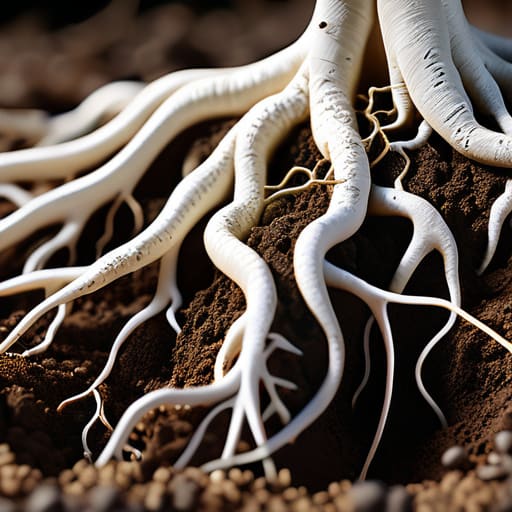
Most people treat soil like it’s just dirt you scoop from the garden, but that’s a mistake that will kill a plant faster than a sudden frost on a ridge. In the wild, soil is a living, breathing system of drainage and aeration; in a pot, it’s a closed loop that can easily turn into a stagnant swamp. When discussing indoor plant soil requirements, you have to stop thinking about “dirt” and start thinking about oxygen. If your medium is too dense, the roots simply suffocate.
I’ve spent years managing drainage on steep mountain paths, and the principle is the same: if the water has nowhere to go, the ground becomes a liability. For most of my windowsill collections, I avoid standard multipurpose mixes. I prefer a blend with plenty of perlite or orchid bark to ensure that even if you slip up on your watering schedule for houseplants, the excess moisture can actually escape. I’ve used a specific coco-coir based mix for three years now in a humid kitchen environment, and it hasn’t compacted once, which is the only way to keep those roots breathing.
The Margin for Error: Five Rules for Not Killing Your Plants
- Stop treating watering like a schedule and start treating it like a reconnaissance mission. I’ve spent twenty years checking the ground for moisture before deciding to move; do the same with your pots. Stick your finger two inches into the soil. If it feels damp, walk away. If you water on a set “every Monday” rule regardless of the humidity, you aren’t caring for the plant, you’re just drowning it.
- Airflow is the invisible safety net. In the mountains, stagnant air means frost pockets and rot; indoors, it means fungal outbreaks. If your plants are huddled in a corner with zero circulation, they’ll succumb to pests faster than a hiker in a soaked base layer. If you can’t feel a slight movement of air, get a small fan in there.
- Drainage isn’t optional; it’s a survival requirement. I’ve used the same terracotta pots for over a decade because they breathe, and I’ve seen enough “decorative” ceramic pots without holes to know they are death traps. If your pot doesn’t have a drainage hole, the roots will sit in a bog, rot, and the plant will die before you even realize there was a problem.
- Light is your primary fuel, not a suggestion. A “bright room” is a vague term that means nothing when you’re trying to keep a Fiddle Leaf Fig alive. I’ve tracked light levels for bird nests in varying canopy densities, and plants are no different. If your plant is leaning aggressively toward the window, it’s starving. It’s not “reaching”; it’s struggling to survive.
- Don’t panic-buy your way out of a problem. When a leaf turns yellow, the instinct is to add more fertilizer or more water. Usually, that’s the exact wrong decision. Most beginner mistakes come from over-correcting. Observe the plant for three days before you change anything. In my experience, the most successful management is often just stepping back and letting the environment stabilize.
The Long Game of Living Things
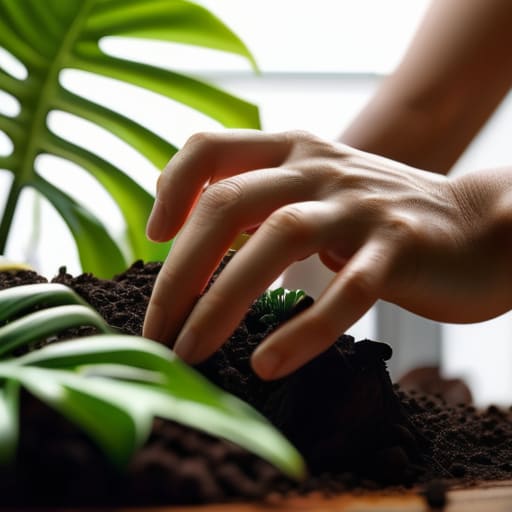
If you take nothing else from this, remember that indoor gardening is less about following a strict, rigid schedule and more about reading the environment. You’ve learned that light isn’t a constant, that soil is the foundation of everything, and that even the hardiest species have their limits. I’ve spent twenty years watching weather patterns shift on a ridge, and I can tell you that observation is your most valuable piece of kit. Don’t just water because it’s Tuesday; water because the soil tells you it’s thirsty. Don’t just place a plant in a corner because it looks nice; place it where the light actually reaches. Most failures I see aren’t due to a lack of talent, but a lack of attention to the subtle cues the plant is sending before it hits a breaking point.
At the end of the day, you are going to kill a few things. I’ve lost more gear to the elements and more plants to bad drainage than I care to admit, and that is perfectly fine. The goal isn’t perfection; it’s resilience and learning. Every yellow leaf or stunted stem is just data—it’s a signal telling you to adjust your approach. Treat your indoor space like a small, contained ecosystem, and give yourself the grace to learn through trial and error. If you stay observant and stay patient, you’ll find that the reward of a new leaf is well worth the messy, unpredictable process of getting there.