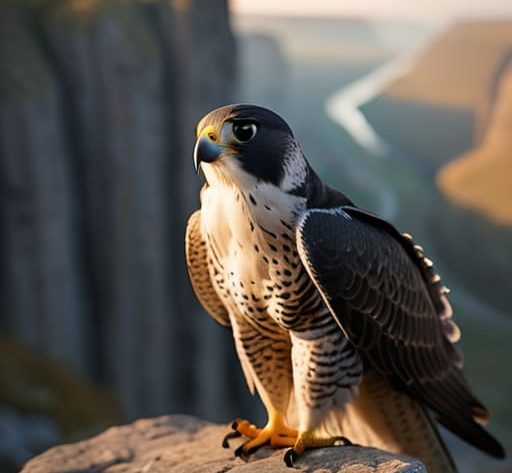
I remember standing on a scree slope in the Lake District back in 2012, shivering in a soaked fleece, watching a group of hikers scramble up a ridge with high-powered spotting scopes and a sense of entitlement that made my teeth ache. They thought they were being “wildlife photographers,” but they were actually just disturbing a breeding pair of peregrines by trampling through sensitive nesting territory. There is a massive difference between being an enthusiast and being a nuisance, and frankly, most of the advice you find online about how to find and watch raptor nests responsibly is either too vague to be useful or dangerously optimistic about how much a bird will tolerate your presence.
I’m not here to give you a checklist of expensive binoculars or a list of “secret” locations that will be mobbed by crowds by next season. Instead, I’m going to share what I’ve learned from fifteen years of keeping raptor logs and walking these hills in every conceivable weather condition. I will tell you exactly how to read the landscape, how to recognize the subtle signs of stress in a bird, and when you need to pack your kit and head home for the sake of the species.
Table of Contents
Observing Birds of Prey From a Distance Without Stressing Them
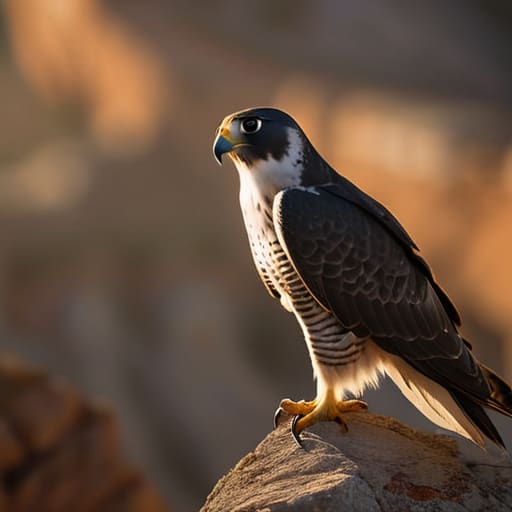
The thing about raptors is that they don’t see a “nature lover” through your binoculars; they see a predator encroaching on their territory. When you’re out there, you have to understand that wildlife disturbance prevention isn’t just a polite suggestion—it’s a biological necessity. If a bird stops what it’s doing to look at you, or if it starts vocalising sharply, you’ve already gone too far. I’ve seen too many people hover near a ledge, thinking they’re being subtle, when in reality they’re causing a parent to burn through precious energy reserves just to keep watch.
You also need to be aware of the legalities involved. Depending on where you are, there are strict nesting season protection laws in place that can carry heavy fines if you’re found loitering near a known site. I always tell my groups to treat every suspicious movement or unusual vocalisation as a sign to back off. It’s better to go home feeling like you missed a sighting than to realize later that your presence caused a nest to fail. Always keep the treeline or a significant ridge between you and the bird.
Mastering Birdwatching Ethics and Etiquette in High Stakes Habitats
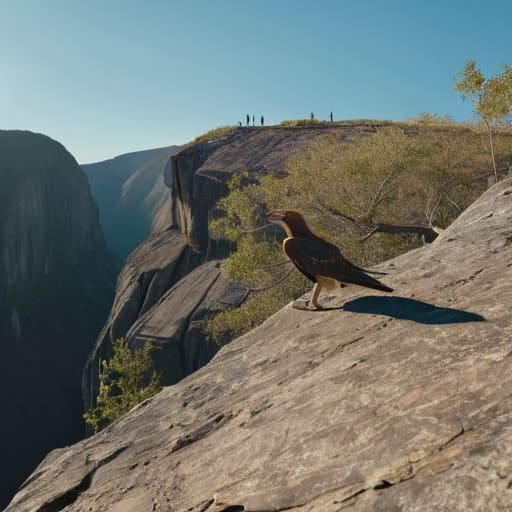
When you’re scrambling up a scree slope or navigating a narrow ridge, your focus is usually on your footing, but you need to keep a mental map of the surrounding cliffs. In these high-stakes habitats, the line between a successful sighting and a serious violation of wildlife disturbance prevention is incredibly thin. I’ve seen too many people treat a nesting site like a stage set, creeping closer for “the shot” without realizing they are actively compromising a bird’s ability to hunt or feed. If you see a bird suddenly diving or circling erratically, that isn’t an invitation to follow; it’s a signal that you’ve crossed a boundary.
It isn’t just about being a decent person, either; it’s about the law. Depending on where you are hiking, nesting season protection laws can be quite strict, and ignorance of the terrain doesn’t hold up in court. I always tell my groups that if you haven’t checked the specific local restrictions for the area you’re entering, you aren’t ready to go. Respecting these boundaries is the only way we ensure these habitats remain viable for the next generation.
Five Ways to Watch Without Getting in the Way
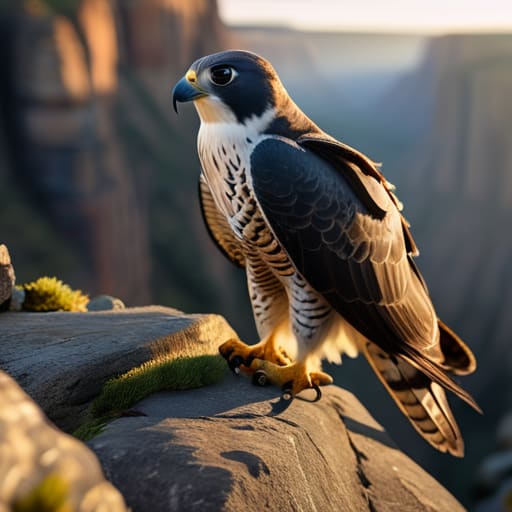
- Trust your binoculars, not your feet. If you feel the urge to scramble up a scree slope or push through thick gorse to get a “better view,” stop. I’ve spent twenty years seeing people mistake their own curiosity for a lack of respect; if you can’t see them with 8×42 glass from a seated position, you’re too close.
- Learn to read the “flight of panic.” If a bird suddenly breaks its hunting pattern to circle low or dive toward your position, you aren’t witnessing a spectacular display—you’re witnessing a disturbance. That’s your cue to turn around or move behind a ridge immediately.
- Timing is everything, especially during the fledgling window. I keep a log of nesting success, and the most critical period is when the young are first testing their wings. During these weeks, even a “quiet” walk near a known eyrie can cause enough stress to impact a chick’s survival.
- Respect the silence of the habitat. It’s not just about avoiding loud music or shouting; it’s about the sudden, unnatural sounds of heavy boots on dry heather or the clatter of gear. In high-stakes habitats, silence is the most important piece of kit you carry.
- Map your route around, not through, known territories. I never plan a multi-day route without checking local disturbance notices or known nesting sites first. It is much better to take a slightly longer, flatter path than to accidentally stumble into a sensitive nesting zone and cause a week’s worth of stress for a breeding pair.
The Cost of a Closer Look
“I’ve spent twenty years watching how a bird reacts when a human enters its territory; they don’t always scream or dive-bomb, sometimes they just go quiet, and that silence is the sound of a parent deciding that the nest is no longer safe. If you’re willing to trade a bird’s survival for a slightly better photo, you aren’t a naturalist, you’re a disturbance.”
Bridget Halloran
The Line Between Witness and Intruder
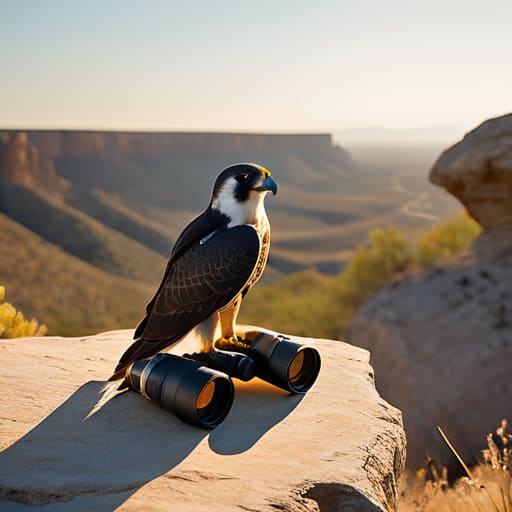
At the end of the day, responsible raptor watching comes down to a simple, albeit difficult, discipline: knowing when to stay put and when to turn around. You have to respect the distance, understand the subtle signs of stress in a bird’s behavior, and—most importantly—accept that not seeing the bird is often a sign that you are doing everything right. If you find yourself pushing through thicker scrub or scrambling up a steeper ledge just to get a better view through your spotting scope, you have already crossed the line. It is better to go home with an empty notebook than to be the reason a Peregrine decides her ledge is no longer safe for her brood.
There is a specific kind of quiet that comes with being out on a ridge, watching a Golden Eagle catch a thermal, knowing you aren’t a part of its struggle, just a silent witness to it. That connection is fragile, and it relies entirely on our ability to prioritize the bird over the photograph. The hills will always be there, and the birds will keep returning to their nests as long as we have the decency to give them the space they need to survive. If we can master that restraint, the rewards of the wild are far greater than any single sighting could ever be.
Frequently Asked Questions
How can I tell if a bird is actually stressed by my presence versus just being naturally active near its nest?
Look for the “stop-start” rhythm. A bird being natural has a flow; it’s hunting or feeding with purpose. A stressed bird becomes hyper-vigilant. If they stop what they’re doing to stare directly at you, or if they start “wing-flicking” and making repetitive, sharp calls, they’ve clocked you as a threat. If they stop feeding or start pacing the nest rim nervously, you’ve crossed the line. That’s your cue to back off immediately.
Is it worth using high-powered optics to compensate for distance, or does the extra gear weight and setup time make me a more obvious disturbance?
It’s a trade-off. I’ve used the Swarovski EL 8.5x42s for five years in everything from misty Lakeland valleys to biting Pennine winds. They’re heavy, but they allow you to stay well back in the treeline. If you’re fumbling with a tripod or heavy spotting scope in a clearing, you’ve already failed. Use high-quality binoculars that you can pull from your neck in seconds. If the gear makes you pause to adjust, you’re too close.
What should I do if I realize I’ve accidentally stumbled too close to a nesting site while I was just out for a standard hike?
If you spot a bird suddenly diving or a parent hovering unnaturally, you’ve gone too far. Don’t panic and don’t run—that just looks like a predator. Stop moving, turn around, and backtrack the way you came immediately. Even if you think you’re being quiet, they see you. I’ve seen plenty of people try to “sneak away” only to make it worse. Just retreat, find a different ridge, and let the birds have their space.