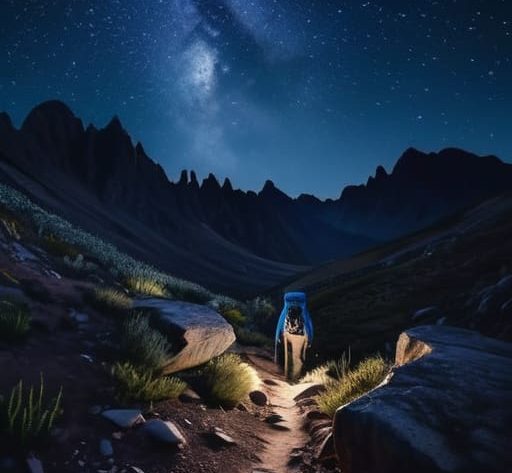
I remember a descent on the Scafell Pike ridge three years ago—mid-November, about 4:30 PM—when the light didn’t just fade, it vanished. One minute I was tracking a peregrine’s flight path near a ledge, and the next, the world was nothing but a black void and the sound of my own breathing. I’ve seen too many people try to figure out how to hike in the dark by relying on a smartphone screen or a cheap, lightweight torch they bought on a whim. When you’re navigating a scree slope in the pitch black, that kind of optimism is exactly what leads to a twisted ankle or, worse, a fall you can’t walk away from.
I’m not here to sell you on some expensive, high-tech gadgetry that promises to turn night into day. Instead, I’m going to give you the unvarnished truth about what actually works when the sun goes down. I’ll tell you which headlamps I’ve actually trusted through ten-hour winter shifts, how to manage your layers when your body temperature starts to drop, and most importantly, how to recognize the exact moment you need to turn back.
Table of Contents
Essential Night Hiking Safety Gear That Actually Performs
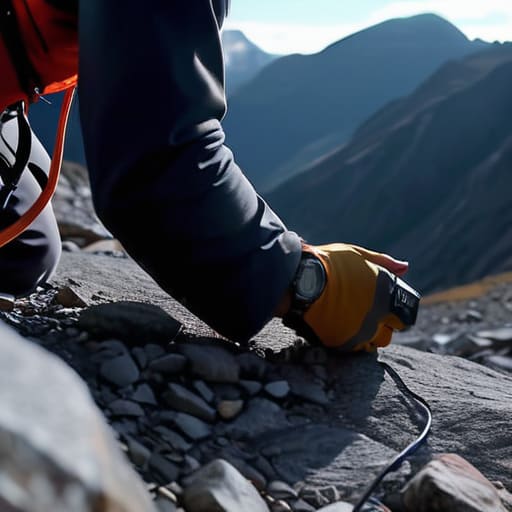
When it comes to night hiking safety gear, most people make the mistake of thinking a single, bright torch is enough. It isn’t. I’ve spent the last four years using the Petzl Actik Core on almost every evening descent and night traverse I’ve led, and while it’s a reliable workhorse, you cannot rely on a single point of failure. You need a primary headlamp with a high lumen count for navigating technical terrain, but you also need a dedicated, secondary light source tucked into a pocket. If your primary fails while you’re navigating a scree slope, you aren’t just inconvenienced; you are effectively stationary and vulnerable.
Beyond illumination, your kit needs to facilitate trail marking visibility for your group or for rescuers if you lose the path. I always carry a small, high-decibel whistle and a dedicated emergency signal mirror, even if the moon is out. Light is your first line of defense, but knowing how to manage your environment—and having the tools to signal when the fog rolls in—is what actually brings you home.
Low Light Visibility Tips for When the Trail Vanishes
When the light fails, your sense of depth perception goes with it. You aren’t just losing sight; you’re losing the ability to judge how far a drop-off is or whether that shadow is a rock or a root. My rule is simple: stop moving the moment you feel that disorientation creeping in. If you can’t see the next three steps clearly, you’re moving too fast. I’ve seen too many people try to power through a descent in the gloaming, only to realize they’ve lost the trail marking visibility entirely, leaving them wandering aimlessly off-path.
If you find yourself off-course, don’t panic and don’t start running. This is where people make the mistake of trying to navigate by instinct. You need to sit, steady your breathing, and commit to using a compass at night with a dedicated red-light setting to preserve your night vision. If you rely on a white beam for everything, your pupils will never contract enough to actually see the terrain in the shadows. Keep your movements deliberate and your eyes scanning the periphery, not just the direct line of your light.
Five Rules for When the Light Fails
- Respect the “Turn Back” Threshold. I’ve spent half my career watching people try to outrun the sunset, thinking they can make the final mile before total darkness. They can’t. If you’re losing light and you’re still a significant distance from your waypoint, you turn around. It is much easier to navigate a familiar path in the twilight than it is to find a descent in the pitch black when you’re tired and breathing hard.
- Carry a Backup for Your Backup. I don’t care how many lumens your primary headlamp has; if it fails, you are effectively blind. I carry my Petzl Actik Core—I’ve used it through three seasons of heavy rain and mist in the Lake District—but I always keep a small, lightweight LED torch in my side pocket as a failsafe. If you only have one light source, you aren’t hiking; you’re gambling.
- Check the Wind Chill, Not Just the Temperature. A forecast saying 5°C means nothing when you’re standing on a ridge at 2:00 AM with a 30mph gust hitting you. When you stop moving in the dark, your body heat drops far faster than you expect. I always pack a dedicated emergency layer—something I’ve used in sub-zero conditions for at least five years—even if the valley looks mild.
- Map Reading Requires Static Light. You cannot navigate a paper map with a moving headlamp; the shadows dance and the scale becomes impossible to read. If you need to check your position, stop, find a flat spot, and use a steady, secondary light source to illuminate the map. Trying to navigate while walking in the dark is how people end up on the wrong side of a scree slope.
- Tell Someone Your Specific Exit Plan. “I’m going for a night walk” is not a plan; it’s an invitation for a rescue team to look for you. Tell a contact exactly which trail you are taking and, more importantly, what time you will be off the hill. If they haven’t heard from you by that specific time, they call it in. The margin for error is zero when the sun is down.
The Cost of Optimism
Most people don’t realize they’re hiking in the dark until the light has already failed them; they think they have twenty minutes of dusk left, but on a ridge with a rising wind, you actually have about five. I’ve spent too many evenings watching grown adults freeze because they decided to squeeze one last mile out of a daylight window that had already slammed shut.
Bridget Halloran
The Final Margin
Ultimately, hiking in the dark isn’t about being a daredevil; it’s about managing the math of your environment. You need a headlamp that you’ve actually tested in a downpour, a navigation plan that doesn’t rely on a dying phone screen, and the discipline to recognize when your window of opportunity is closing. Most mistakes I see out there aren’t caused by a lack of bravery, but by a failure to respect the transition from twilight to true night. If your light is failing or your pace has dropped too low to reach camp before midnight, you have to be willing to make the call. The mountain doesn’t care about your itinerary, and it certainly won’t wait for you to find your footing once the sun is gone.
There is something undeniably profound about the hills when the rest of the world is asleep. When you get the gear right and the decision-making process sorted, the darkness stops being a threat and starts being a lens that sharpens your focus. You notice the way the wind moves through the heather and the specific, heavy silence of a ridge under moonlight. If you prepare with rigorous attention to detail, the dark becomes just another layer of the landscape to navigate. Respect the shadows, pack the extra batteries, and then go out and see the world in a way most people never will.
Frequently Asked Questions
How do I know when to call it a day and head back before the light actually fails?
You don’t wait for the light to fail; you watch the shadows. I use the “one-third rule”: when you’ve used a third of your planned daylight, you check your pace against the sun. If the terrain is technical or the weather is turning, you turn back then. I’ve seen too many groups scrambling down scree in the twilight because they were chasing a sunset. If you’re squinting to find the path, you’re already too late.
What is the best way to manage body temperature when I'm moving slower in the dark?
The danger of moving slowly in the dark is that you stop generating heat, but you often don’t feel the chill until you’ve already started shivering. I’ve seen too many people wait until they’re cold to layer up. Don’t. If you’re navigating a tricky section or a steep descent where your pace drops, put your mid-layer on before you stop. I’ve used my Rab Microlight in sub-zero, damp conditions for years; it’s my rule to keep it in the pack, ready to go the moment the pace slackens.
If I'm navigating by map and compass at night, how much extra time should I realistically budget for the extra mental load?
You need to budget at least 50% more time, though in bad weather or on broken terrain, I’ve seen it take twice as long. Navigating by compass isn’t just about finding a bearing; it’s about the cognitive drain of checking your position every few minutes while your eyes struggle to find a landmark in the gloom. If you’re exhausted and it’s raining, that mental load spikes. Don’t let an optimistic ETA become a survival situation.