I’ve spent twenty-two years watching people make the same mistake: they walk into a shop, see a shiny new shell with a high-tech Gore-Tex rating, and think they’ve bought themselves safety. They treat a complete guide to buying outdoor gear like a shopping list of expensive status symbols, rather than a toolkit for survival. I remember a group I led in the Cairngorms three years ago; one lad had the most expensive, lightweight kit money could buy, but he’d chosen a tent that couldn’t handle a decent gust and a jacket that leaked the moment the wind shifted. He wasn’t unprepared because he lacked gear; he was unprepared because he trusted the marketing instead of the reality of the mountain.
I’m not here to help you build a collection of shiny, lightweight trophies that fail when the clouds drop. My promise is simpler: I will tell you what actually works when you’re soaked to the bone and the temperature is plummeting. This isn’t a press release; it’s a breakdown of weight, durability, and real-world performance based on years of testing in horizontal rain. If I haven’t carried it through a proper gale, I won’t tell you to buy it.
Table of Contents
A Smart Backpacking Gear Investment Strategy for Real Conditions
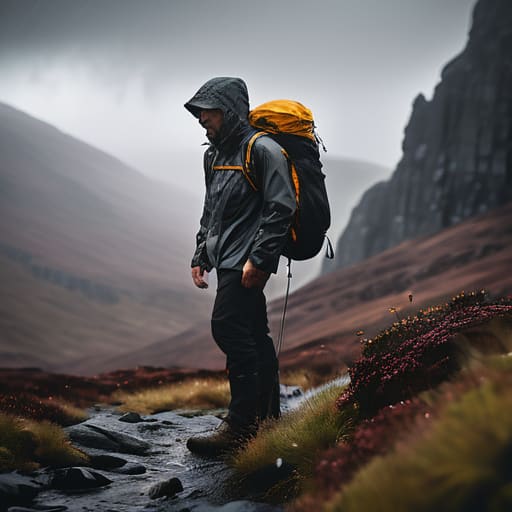
When you’re standing on a col in the Cairngorms and the wind starts hitting 40mph, you don’t care about the marketing fluff or how “innovative” a new fabric claims to be. You care about whether it’s going to keep you dry or if it’s going to fail when you need it most. My approach to a backpacking gear investment strategy isn’t about buying the most expensive kit on the market; it’s about understanding the trade-off between outdoor gear weight vs durability. I’ve spent too many nights shivering because a “lightweight” tent pole snapped in a gust, or because a supposedly waterproof shell soaked through after four hours of steady rain.
Don’t try to build your entire kit in a single season. Real-world testing happens over months, not in a shop window. I suggest focusing your budget on the “big three”—your shelter, your sleep system, and your pack—and then layering in the rest as your specific seasonal outdoor equipment needs become clearer. If you can’t answer exactly how many hours you’ve spent in a piece of kit during a heavy downpour, you haven’t truly tested it yet.
Why Outdoor Gear Weight vs Durability Is Your Only Real Metric
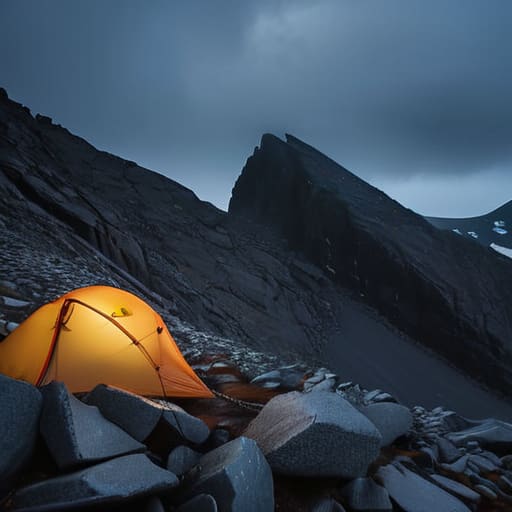
The marketing brochures will try to sell you on “ultralight” as if grams are the only currency that matters. They aren’t. I’ve spent twenty years watching people’s morale crumble because they prioritized a featherweight tent that shredded the moment a true Atlantic gale hit a ridge. When you’re negotiating a scramble in the dark or trying to pitch camp in a driving sleet, a piece of kit that fails isn’t just an inconvenience; it’s a safety risk. You need to find the intersection where outdoor gear weight vs durability meets your specific reality.
I don’t care how light a jacket is if the zipper jams after three days of heavy use or the face fabric delaminates after a season of hard graft. I look at my kit through the lens of longevity. I’ve used my current shell for four seasons now, through everything from high-summer humidity to sub-zero mountain passes, and it still holds. When you’re building your durable camping gear selection, stop asking how much you can shave off the total weight and start asking how many times this item will actually survive a real environment.
Five Rules for Not Wasting Money on Gear That Fails When It Matters
- Buy for the worst day, not the best one. I’ve seen too many people invest in a lightweight, breathable shell that works beautifully in a summer breeze, only to find it useless when a real Atlantic front hits. If your gear can’t handle a sustained, horizontal downpour for four hours, it’s not a piece of kit; it’s a fashion choice.
- Test your footwear on more than just tarmac. I’ve spent fifteen years watching people buy expensive boots based on how they feel in a shop, only to have them fail on a wet, scree-covered slope. I won’t trust a boot until I’ve worn it for at least fifty miles of mixed terrain, and you shouldn’t either.
- Ignore the ‘lifestyle’ marketing. Companies love to use words like ‘adventure-ready’ or ‘rugged’ to sell gear that’s actually designed for a stroll in a managed park. Look for the technical specifications—the denier of the fabric, the hydrostatic head of the tent, and the actual weight. If they aren’t telling you the numbers, they’re hiding something.
- Layering is a system, not a collection of items. Don’t just buy a ‘good’ jacket; buy a jacket that works specifically with the mid-layers you already own. I once led a group through a sudden temperature drop in the Cairngorms where half the party was wearing high-end gear that didn’t layer properly, leaving them shivering because they couldn’t trap heat effectively.
- Check the repairability before you reach the checkout. In the mountains, a broken zipper or a torn seam isn’t an inconvenience; it’s a safety issue. I always look for brands that offer robust repair services or use standard components. If a piece of gear is designed to be thrown away the moment it gets a puncture, it has no place in my kit bag.
The Cost of an Optimistic Purchase
A gear list is just a collection of promises until you’ve spent six hours in a horizontal downpour trying to find the zipper of a jacket that felt perfect in the shop. Don’t buy for the sunny afternoon you’re planning; buy for the gear that won’t fail you when the weather decides to change its mind halfway up a ridge.
Bridget Halloran
Final Thoughts Before You Hit the Trail
At the end of the day, buying gear isn’t about collecting the latest shiny tech or matching a color palette for your Instagram feed. It is about understanding the relationship between weight, durability, and the specific, unpredictable environment you intend to step into. I have seen too many people walk into a mountain range with a kit list that looks perfect on paper but fails the moment the wind picks up or the temperature drops ten degrees in an hour. Remember to prioritize functional reliability over brand prestige. If you can’t explain how a piece of kit will perform when you’re soaked to the bone and losing light, you probably shouldn’t be paying top price for it. Invest in the layers and the shells that actually stand up to the elements, because when the weather turns, your gear is the only thing standing between a difficult day and a dangerous one.
Ultimately, the best gear in the world won’t save you from a poor decision, but it will give you the margin you need to make a better one. The goal isn’t to conquer the mountain; it’s to move through it with enough competence and the right tools to get back home safely. Once you have sorted your kit, stop obsessing over the spec sheets and get outside. The mountains are waiting, and they don’t care how much your jacket cost—they only care that you are prepared.
Frequently Asked Questions
How do I know if a piece of gear is actually lightweight or if the manufacturer is just hiding the weight of the heavy hardware?
Don’t trust the “ultralight” label on the box. I’ve spent twenty years weighing things in my kitchen before they ever hit a trail. Manufacturers often shave grams off the fabric but hide the weight in oversized, chunky zippers or heavy-duty buckles that aren’t actually necessary. If a pack claims to be featherweight but uses thick, non-breathable foam in the hip belt, they’re cheating. Always check the weight of the hardware yourself; that’s where the truth hides.
At what point does spending more money on high-end technical layers actually become worth it for someone who isn't a professional guide?
It becomes worth it the moment your “budget” layer fails to manage moisture when the wind picks up. I’ve spent ten years watching people freeze because their cheap shell breathed like a plastic bag, turning their base layer into a cold, wet sponge. If you’re doing anything more than a stroll in a park—if you’re facing sustained wind or temperature drops—pay for the technical membrane. It’s not about luxury; it’s about staying dry enough to keep moving.
How can I tell if a waterproof jacket is going to breathe well enough for a steep ascent, or if I'm just going to end up soaked from my own sweat?
Don’t look at the “breathability” number on the box; that’s tested in a lab, not on a 400m ascent in 90% humidity. I’ve worn the same Gore-Tex Pro shell for five seasons, through countless steep, lung-burning climbs, and the only thing that matters is the mechanical ventilation. If it doesn’t have pit zips, you’re going to soak yourself from the inside out. If it does, make sure they’re long enough to actually vent your core.