I remember a group of walkers back in the Cairngorms, three years ago, standing on the edge of a swollen burn. They were staring at a high-tech, lightweight trekking pole as if it were a magic wand, convinced that if they just gripped it tight enough, the water wouldn’t pull them under. They were looking for a gear solution to a physics problem. People often think learning how to cross a stream safely is about having the right expensive gadgets, but the truth is much more humbling. It’s about recognizing the exact moment your optimism becomes a liability and having the sense to realize that a piece of carbon fiber isn’t going to stop a mountain torrent once your boots are submerged.
I’m not here to sell you on more kit or give you a sanitized, textbook version of mountain safety. I’m going to tell you what actually happens when the silt gets under your feet and the current starts testing your balance. We’ll talk about reading the water, the uncomfortable reality of turning back, and how to judge depth without losing a limb. This is the practical, unvarnished truth of what I’ve learned from two decades of being on the wrong side of a crossing.
Table of Contents
Spotting the Signs of Dangerous Flood Conditions
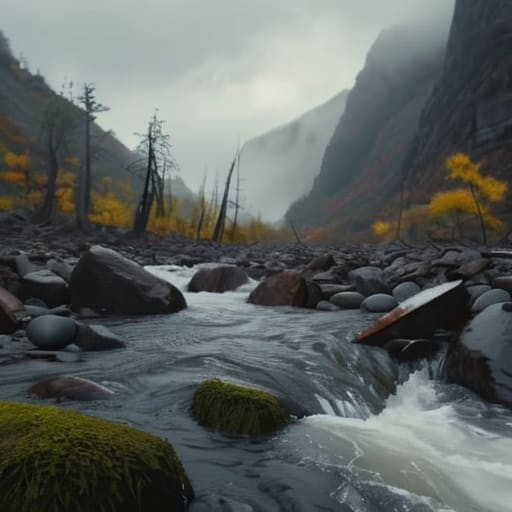
You can usually tell a stream is becoming a problem before you even reach the bank. I’ve spent enough time watching water levels rise in the valleys to know that a trickle from an hour ago can become a torrent by midday, especially after a heavy soak. Look for the water turning opaque or carrying a lot of debris—branches, dead leaves, or silt. That’s not just water moving; that’s a sign of increased energy and potential instability in the channel. If the water is muddy, it means the current is actively scouring the bed, which can make your footing unpredictable.
Don’t fall into the trap of thinking a wider pool is safer just because it looks calmer. Often, the most dangerous spots are where the water narrows and accelerates, or where the bed drops off suddenly. When you are assessing water depth and current, look for the “white water” indicators; if you see bubbles or surface turbulence, the force is much higher than it looks. I’ve seen too many people get caught because they underestimated a seemingly shallow section that was actually moving with enough force to sweep their legs out from under them.
River Crossing Techniques for Hikers When to Turn Back
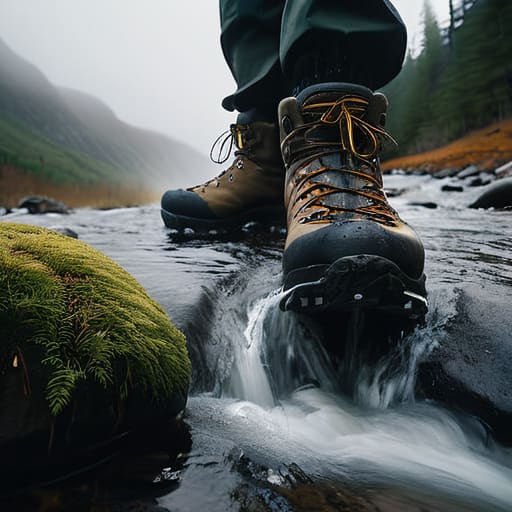
There is a specific kind of silence that happens right before a decision goes wrong—that moment where you look at a swollen burn and think, it shouldn’t be this hard. If you find yourself staring at water that is moving faster than you can walk, or if the depth is obscuring large, jagged rocks, you have already lost the argument. I’ve seen too many people try to force a crossing because they were only twenty minutes from camp, only to end up fighting a current that doesn’t care about their itinerary.
If you decide the crossing is manageable, your priority is assessing water depth and current relative to your own stability. Never attempt a crossing in heavy, lugged boots if you can avoid it; I’ve worn my Altas trekking boots through hundreds of miles of peat and scree, and while they are indestructible, they are heavy and awkward in a moving current. Instead, opt for lighter footwear for stream crossings that allows you to feel the ground beneath you. Always keep using a trekking pole for stability—it acts as a third leg, providing a crucial point of contact when the riverbed decides to shift under your feet.
Five ways to avoid a very cold, very wet mistake
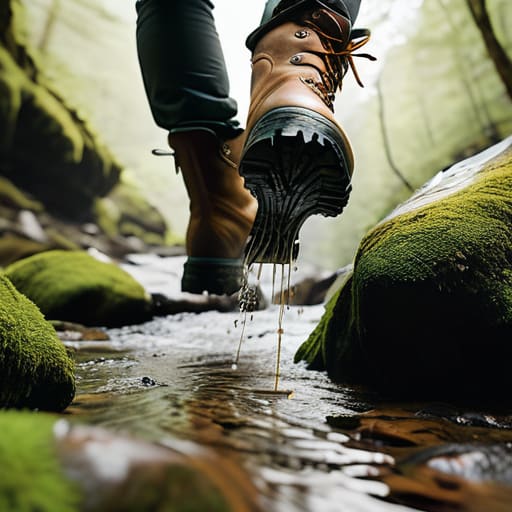
- Test the depth with your trekking pole or a sturdy stick before you commit your weight. I’ve spent many a afternoon watching people step into a hole they couldn’t see, and once your foot slips into a deep pocket of silt or a hidden gap between rocks, the current takes over much faster than you’d expect.
- Unbuckle your pack’s waist belt and chest strap before you enter the water. It sounds like a minor detail, but if you slip and the weight of your pack pulls you under, you need to be able to shed that load instantly. I’ve seen people struggle for minutes because they were tethered to forty pounds of gear they couldn’t escape.
- Face upstream and move sideways. You want to keep your center of gravity stable and use your uphill leg as a brace. If you try to march straight through, you’re presenting a larger surface area to the force of the water, which is how most people lose their footing.
- Use three points of contact at all times. If you have poles, use them; if not, find a stable rock or a sturdy branch. I’ve carried a pair of Black Diamond trekking poles through three seasons of wet peat and rocky crossings, and they are the difference between a controlled step and a chaotic tumble.
- Watch your footing for “greasy” rocks. After a heavy rain, the moss and algae on river stones become incredibly slick. I always look for the bare, darker patches of rock that might offer a bit of friction, rather than stepping on anything green or smooth.
The Cost of a Single Step
“I’ve seen too many people treat a crossing like a minor inconvenience when they should be treating it like a decision point; if you’re looking at a stretch of water and thinking ‘I can probably make that,’ you’ve already lost the argument against the terrain.”
Bridget Halloran
The Decision at the Water's Edge
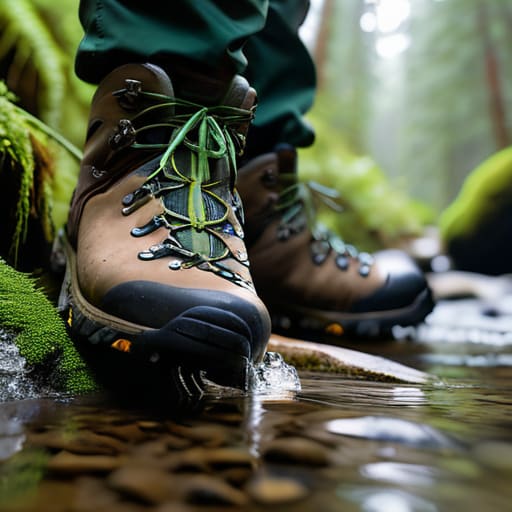
At the end of the day, crossing a stream isn’t about how much technical skill you have; it is about your ability to read the water and, more importantly, your ability to read your own ego. You look for the shallowest point, you check for stability in the stones beneath your feet, and you ensure you aren’t fighting a current that is already stronger than your stride. If the water is rising, if the debris is moving too fast, or if you simply feel that knot of doubt in your stomach, that is your signal. Never mistake a sense of duty to your itinerary for a necessity to cross. A detour adds an hour to your walk; a mistake in a swollen burn can end your season entirely.
I have spent twenty-two years watching the weather turn a mountain path from a playground into a hazard in a matter of minutes. The hills don’t care about your planned route or the expensive kit in your pack. They only respond to the decisions you make when the conditions shift. But there is a profound kind of freedom in knowing exactly where your limits lie. When you learn to respect the water and accept the necessity of turning back, you aren’t being timid—you are becoming a competent mountain traveler. That is how you ensure you are around to see the next raptor nest hatch.
Frequently Asked Questions
Is it better to cross with my boots on for grip, or should I take them off to avoid getting soaked?
Keep your boots on. I’ve spent twenty-two years watching people lose their footing because they thought being dry was more important than being stable. I’ve worn my Scarpa Megaliths through three seasons of wet peat and slippery granite, and without that ankle support and lug grip, you’re asking for a twisted joint or a slip into a deeper channel. Yes, your feet will get wet, but wet feet are a nuisance; a broken ankle is a crisis.
If I'm crossing with a group, should we all go at once or one by one?
One by one. Always. If you all go at once, you’re just adding more weight and more chaos to a situation that’s already precarious. I’ve seen groups try to “rush” a crossing together, only for one person to slip, causing a domino effect that ends with three people in the water and one person panicking on the bank. Send the most experienced person first to scout, then cross individually, keeping eyes on everyone at all times.
How do I know if a crossing is too deep if I can't see the bottom through the silt or the current?
If you can’t see the bottom, you’re guessing, and guessing is how people end up in the hospital. If the silt is thick and the water is opaque, use a trekking pole or a sturdy stick to probe the depth and stability of the bed. If the pole hits something that feels soft or shifts under pressure, the footing is gone. If you can’t feel a solid floor, don’t commit. Just turn around.