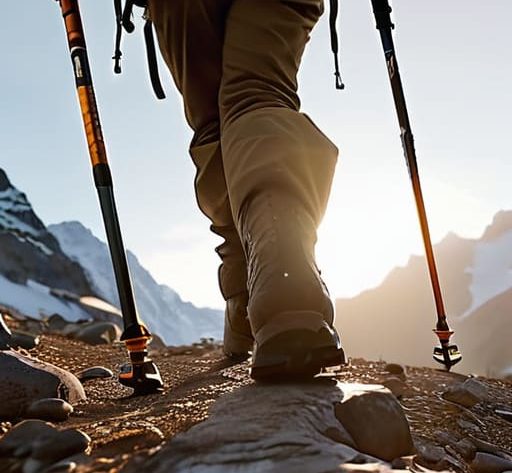
I once watched a group of otherwise capable hikers struggle through a scree slope in the Cairngorms, their legs shaking and their rhythm completely broken, all because they were treating their poles like fancy walking sticks rather than tools. There is a massive, misguided idea in the gear shops that you just need to buy the most expensive carbon-fibre set on the shelf to be safe, but honestly, if you don’t actually know how to use trekking poles to manage your weight distribution, you’re just carrying extra weight for no reason. I’ve seen people trip over their own equipment because they were using them for balance in all the wrong ways, turning a manageable descent into a series of near-misses.
I’m not here to sell you on the latest marketing hype or tell you that poles will make you a mountain goat overnight. Instead, I’m going to give you the practical, unvarnished reality of how to integrate them into your movement, from adjusting lengths for steep ascents to finding your rhythm on heavy pack days. I’ve spent twenty-two years on these hills, and I’ll tell you exactly how to use them to save your knees and keep your footing when the weather turns.
Table of Contents
Reducing Knee Strain With Poles Before the Fatigue Sets in
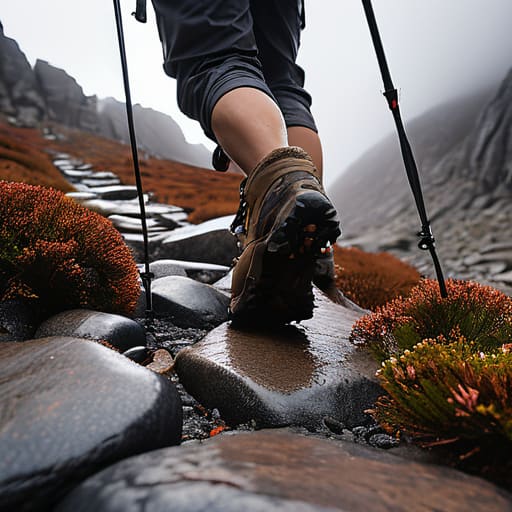
Most people wait until their joints are screaming to start using their poles effectively, but by then, the damage is already being done. I’ve led groups through the Cairngorms where the descent was nothing but loose scree and wet granite; if you aren’t using trekking poles for uphill and downhill transitions correctly, your knees are taking the full brunt of every impact. When you’re heading down, you need to extend the poles slightly to take the weight off your patella. It isn’t about leaning on them like a crutch, but using them to create a tripod of stability that distributes the load across your upper body.
The real mistake I see, though, is poor setup. You can’t fix reducing knee strain with poles if your geometry is wrong. I’ve spent three years using the Black Diamond Distance Carbon series in everything from summer scree to mid-winter slush, and I can tell you that adjusting pole length for hiking is non-negotiable. If your poles are too short on the descent, you’ll find yourself hunching, which shifts your center of gravity forward and puts even more pressure on those vulnerable knee caps. Get the length right, keep your elbows at a comfortable angle, and you’ll find you have much more life left in your legs by the time you reach the valley floor.
Mastering Trekking Pole Ergonomics When Your Hands Get Cold
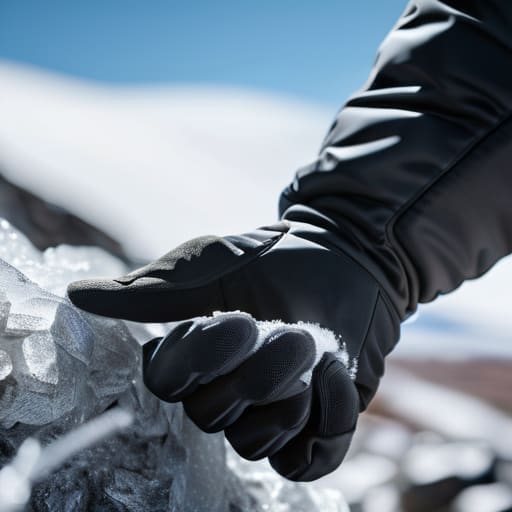
When the temperature drops and the wind starts biting, your hands are usually the first thing to go. I’ve spent many a late afternoon on the Cairngorms watching a client’s dexterity vanish, and that is when trekking pole ergonomics become a matter of safety rather than comfort. If you are wearing thick, insulated gloves, you lose the fine motor skills needed to operate those tiny, fiddly wrist straps. I’ve used the Black Diamond Distance Carbon poles for three seasons now, primarily in sub-zero conditions, and I’ve learned that if you can’t manipulate the flick-locks or the grip without struggling, you’re going to end up with a clumsy, unstable gait.
The mistake people make is trying to fight the cold by tightening their grip. You shouldn’t be white-knuckling the shafts; that’s how you end up with numb fingers and forearm fatigue before you’ve even hit the treeline. Instead, focus on a proper trekking pole grip that allows for a relaxed hand even inside a heavy mitten. If your gloves are too bulky to use the straps effectively, I suggest loosening them slightly so you can actually feel the contact point. It’s better to have a slightly loose connection than to lose all sense of control when the terrain turns technical.
Five Ways to Stop Your Poles From Becoming Dead Weight
- Adjust your length before you start the descent. I’ve spent too many afternoons watching people struggle on scree because their poles were set for level ground. When you hit a steep downward slope, shorten them by about 5 to 10cm. It keeps your elbows tucked in and prevents you from leaning too far forward, which is how you end up pitching headfirst into a bog.
- Master the “flick” rather than the “push.” On steady climbs, don’t treat the poles like crutches to heave your entire body weight up. Instead, use them to find a rhythm. A short, rhythmic plant and a quick flick of the wrist helps maintain momentum without burning out your triceps before you’ve even reached the col.
- Don’t be afraid to let go of the straps. This sounds counter-intuitive, but if you’re navigating a technical scramble or a narrow ledge, you need your hands free. I’ve used the Black Diamond Trail poles for roughly four years in everything from heavy Scottish mist to dry limestone, and I always keep my hands out of the loops when the terrain gets vertical. If you’re gripped tight to those straps when you need to grab a rock, you’re in trouble.
- Use the baskets, not just the tips. People often forget that the basket exists for a reason. If you’re walking through deep heather or soft peat—the kind that swallows a boot whole—you need that basket to prevent the pole from sinking to the grip. If you’re using poles without baskets, you’re essentially just carrying two expensive sticks that won’t do a bit of good when the ground turns to soup.
- Listen to the terrain, not your ego. If the wind is gusting at 40mph on a ridge and the ground is slick with frost, sometimes the best use for your poles is to plant them firmly and wait. Don’t try to force a pace just because you’re behind schedule. I’ve seen plenty of “optimistic” hikers try to power through a gale with their poles out, only to have a gust catch them mid-stride and knock them off balance. Use them for stability, not just for speed.
The Rhythm of the Descent
“I’ve watched too many people treat poles like walking sticks for a stroll in the park, only to realize they’re useless when the scree starts moving underfoot. You don’t just hold them; you use them to find the ground before your feet do. When you’re tired, cold, and the light is failing, those poles aren’t just extra weight in your pack—they are your third and fourth points of contact when the mountain decides to stop being polite.”
Bridget Halloran
The Last Mile and the Long View
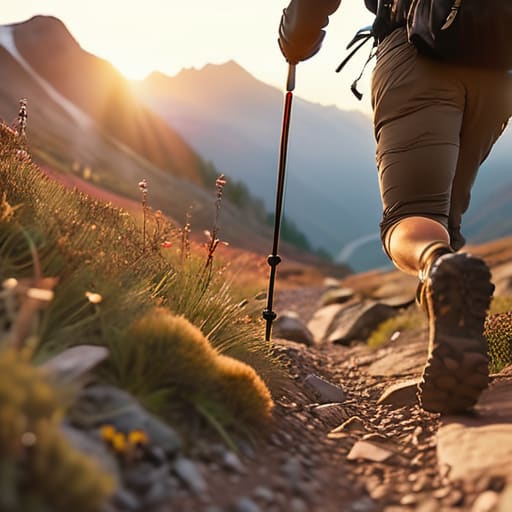
At the end of the day, using trekking poles effectively isn’t about following a rigid set of rules from a manual; it’s about listening to your body and the terrain beneath you. We’ve talked about managing your load to save your knees, adjusting your grip so you don’t lose dexterity when the temperature drops, and finding that rhythm that keeps you moving without burning out. It comes down to using them as an extension of your own limbs—tools for stability and pacing rather than just extra weight in your pack. If you get the ergonomics right and stay proactive about your posture, you aren’t just walking; you’re managing your energy for the long haul.
I’ve spent two decades watching people push themselves until they hit a wall, usually because they thought they could outrun fatigue or ignore a slipping foot. Poles won’t make a mountain smaller, and they certainly won’t stop a storm from rolling in over the ridge, but they do give you a margin of error that most people underestimate. They buy you that extra second of stability when the scree starts to slide or the wind gusts hit. Use them well, respect the descent, and remember that the goal isn’t just to reach the summit, but to have the strength and the joints to walk back down safely.
Frequently Asked Questions
How do I adjust the pole length when transitioning from a steep ascent to a technical descent?
You want them longer for the descent. I’ve spent twenty years watching people fumble with adjustment levers while their footing gets sketchy, and that’s when mistakes happen. When you hit that steep pitch, extend the poles by about 5 to 10 centimetres. You need them long enough so that when you plant them, your elbow stays at a slight angle rather than tucked tight against your ribs. It gives you the leverage to catch your weight before your knees take the brunt.
When should I actually stow my poles instead of just carrying them, especially in rocky or narrow terrain?
If you’re scrambling up a narrow scree slope or navigating a tight rock chimney, stow them. I’ve seen too many people try to “manage” poles in technical terrain, only to have a tip catch a crack and send them off-balance. I’ve used my Black Diamond trekking poles for over four years in everything from boggy valleys to granite ridges; when the footing gets technical and the path narrows, the poles become a liability. Stash them in your pack or use the wrist straps to carry them like sticks. Precision beats extra points of contact every time.
Are lightweight carbon poles worth the extra cost if I'm mostly walking on uneven, muddy trails?
If you’re mostly on uneven, muddy trails, I’d steer you toward aluminum. I’ve used the Black Diamond Alpine Carbon Corks for three years on high-altitude scrambles, and while they’re incredibly light, they don’t handle being wedged between rocks the way aluminum does. On a muddy, technical descent, you need something that won’t snap when you lean your full weight into a slip. Save the extra cash for better waterproof socks.