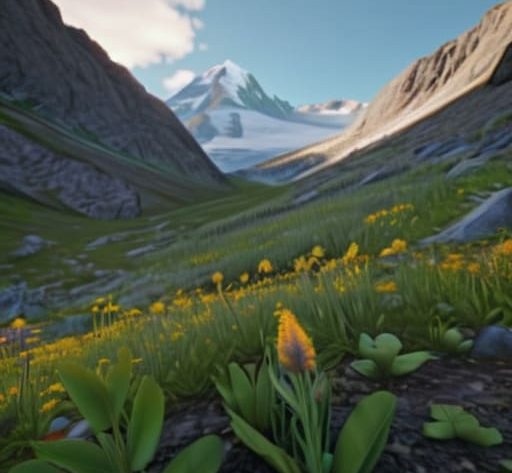
I was standing on a scree slope in the Cairngorms last Tuesday, nursing a thermos and checking my raptor log, when I realized the silence was wrong. Usually, by this week in late April, the buzz of activity near the nesting sites is constant, but the timing is all off. It isn’t some grand, sweeping cinematic disaster like the news portrays; it’s a quiet, unsettling mismatch between the seasons and the species. I’ve spent twenty-two years watching these hills, and I can tell you that seeing how climate change is shifting wildlife isn’t about seeing a polar bear on a melting ice cap—it’s about noticing that the birds are arriving to find their food sources have already peaked and vanished.
I’m not here to give you a lecture filled with abstract statistics or polished press releases that sound like they were written in a boardroom. Instead, I want to talk about what I am actually seeing on the ground, from the changing nesting patterns in my logs to the way the vegetation is creeping up the ridges. I will tell you exactly what these shifts look like in the real, messy world of the high ground, focusing on the practical realities of a landscape that is changing faster than our old maps can account for.
Table of Contents
Migratory Pattern Alterations and the Cost of Staying Late
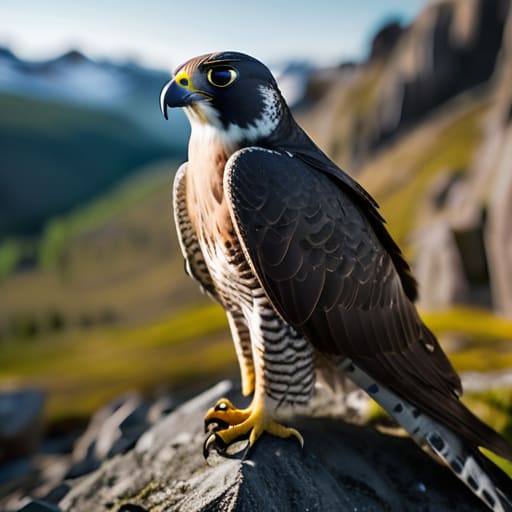
I’ve spent years tracking the arrival of certain raptors on the high ridges, noting the exact week they reappear. But lately, the timing feels fractured. We are seeing significant migratory pattern alterations where the birds are arriving based on temperature cues that no longer align with the actual availability of their prey. It’s a classic case of trophic mismatch in food webs; the insects hatch, the small mammals peak, and then the birds arrive to find the window has already slammed shut.
Staying late in a season because the warmth suggests it’s safe is a gamble that often ends poorly. I’ve seen birds push their limits, attempting to hold onto territories that are becoming increasingly unreliable. This isn’t just about a few late arrivals; it’s about the cumulative stress of a broken rhythm. When the biological clock and seasonal shifts fall out of sync, the energy cost of staying too long can be the difference between a successful breeding season and a total failure. It’s a quiet, slow-motion crisis that doesn’t make the news, but I see it every time I check my logs.
Habitat Fragmentation Due to Warming and Shrinking Safe Zones
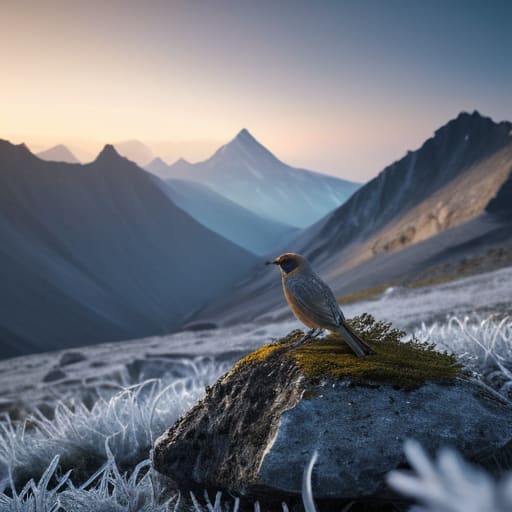
I’ve spent two decades watching the edges of things—the edges of forests, the edges of moorlands, and the edges of what a species can actually tolerate. What I’m seeing now is that these edges are moving. As the temperature climbs, the “safe zones” for many high-altitude species are essentially being squeezed upward. It’s a phenomenon of habitat fragmentation due to warming that feels less like a gradual shift and more like a closing vice. For a bird that needs a specific scree slope or a particular patch of heather to survive, there is nowhere left to go once they hit the summit.
When these patches of viable habitat become islands separated by too much inhospitable ground, the result is a slow-motion collapse. It isn’t just about losing space; it’s about the isolation of populations. We see it in the way certain raptors are forced into smaller, more competitive territories, leading to a direct trophic mismatch in food webs when their traditional prey moves or disappears entirely. You can track the numbers in a nest log for years, but once the landscape stops connecting, the math simply stops working.
Watching the margins: What to look for when the seasons stop making sense
- Watch the phenology, not just the birds. It isn’t enough to know when a species arrives; you have to look at whether the insects they eat are still there. I’ve seen cases where the timing of a hatch has shifted by ten days, leaving arriving migrants with nothing but empty scrub.
- Respect the “new” microclimates. As temperatures shift, what used to be a sheltered valley might now be a heat trap, or a ridge that was once reliable might become too exposed. Don’t rely on your old mental maps of where things “should” be; the habitat is moving under our feet.
- Document the outliers. If you see a species appearing two weeks early or a bird nesting in a location that’s historically too low, note it down. My raptor logs from 2009 look nothing like my logs from last year, and those small, “incorrect” observations are the only way we track the actual rate of change.
- Understand that “stable” is a relative term. A habitat that looks lush and healthy might actually be a sink—an area that looks good but can no longer support a breeding population because the thermal windows are closing too fast. Don’t mistake green cover for a functional ecosystem.
- Plan for unpredictable windows. We used to be able to read a season like a book, but climate volatility means the “safe” months are getting narrower. If you are observing or working in the field, build in much larger buffers for weather and daylight; the old seasonal certainties are gone.
The margin of error is shrinking
I’ve spent twenty years watching the same ridges and the same nesting sites, and the pattern is becoming unmistakable: the timing is off. It isn’t just that the birds are arriving earlier; it’s that the window of predictability we used to rely on—that stable gap between the spring thaw and the summer heat—is narrowing. When the weather stops following the old rules, the wildlife is the first to pay the price, and they don’t have the luxury of a second chance if they miss the mark.
Bridget Halloran
The margin for error is shrinking
Looking back at the data, it’s clear we aren’t just seeing a few outliers; we are seeing a fundamental breakdown in the timing that has governed these hills for millennia. Between the birds arriving too late for the insect blooms and the slow squeeze of habitats as the thermal lines move higher up the ridges, the margin for error is vanishing. It isn’t just about a bird missing a meal; it is about the cumulative weight of these small, broken connections making entire ecosystems brittle. When the patterns fail, the resilience of the landscape fails with them, and we are seeing that fragility play out in real-time every time I check my raptor logs.
I’ve spent twenty-two years watching these mountains, and I know that the most dangerous thing you can do is assume the landscape will behave the way it did yesterday. We have to apply that same logic to how we treat the natural world. We cannot rely on the old maps or the old rhythms to guide us anymore. Instead, we have to become active observers and fierce protectors of these shifting margins. The goal isn’t to freeze the world in a state that no longer exists, but to ensure that as these species move and adapt, they still have a solid piece of ground to land on.
Frequently Asked Questions
How can we tell if a bird is arriving late due to a bad season or if its entire migratory timeline has permanently shifted?
You look for the pattern, not the single data point. A bad season is a hiccup; a permanent shift is a trend. I’ve been keeping my raptor logs since 2009, and you can see it in the long game. If a species misses its window by a week once, it’s weather. If they’re arriving ten days later every year for the last decade, the calendar has fundamentally broken. The birds aren’t just late; they’re operating on a different clock.
What happens to the local raptor populations when the specific nesting sites they've used for decades become unviable due to temperature changes?
I’ve watched the same peregrine pair on a particular crag for nearly fifteen years, and seeing a site fail is gut-wrenching. When the thermal cues shift or the prey base moves, they don’t just “find a new spot.” They scramble. They attempt to nest in sub-optimal, exposed locations, often leading to higher chick mortality. It’s a desperate, high-stakes gamble. They aren’t just changing addresses; they’re fighting a losing battle against a landscape that no longer matches their instincts.
As habitats shrink, are we seeing more frequent human-wildlife conflicts in the areas where these animals are being forced to relocate?
We’re seeing it more often, and it’s rarely a clean transition. As the thermal envelopes move up the slopes, animals are being squeezed into narrower corridors. I’ve seen it myself: species that used to keep to the high, rocky ground are drifting down into grazing lands or closer to trailheads just to find food. It’s not a choice for them; it’s a necessity. When their safe zones shrink, they end up in our backyard, and that’s when the friction starts.