I remember standing on a ridge in the Cairngorms three years ago, watching a group of hikers struggle to pitch a heavy, two-person dome tent while the wind was starting to howl and the light was failing fast. They were sweating, cursing, and fighting a piece of engineering that felt entirely too complicated for the terrain they were actually in. Most gear guides make it sound like a spiritual journey, but the reality of learning how to use a tarp instead of a tent is much more practical: it’s about managing your exposure before the weather decides to punish your optimism. If you misjudge the wind direction or fail to secure your guy lines properly, you aren’t just “minimalist”—you’re soaked to the bone.
I’m not here to sell you on the “freedom” of ultralight backpacking or some romanticized version of sleeping under the stars. I’m going to tell you exactly how to pitch, how to pitch when things go wrong, and when you should probably just pack the tent and go home. I’ve used my Silnylon trekking tarp on over fifty multi-day trips in everything from driving rain to gale-force gusts, and I’ll tell you exactly where it fails. No marketing fluff, just the physics of staying dry.
Table of Contents
Tarp vs Tent Pros and Cons Evaluating Your Risk Tolerance
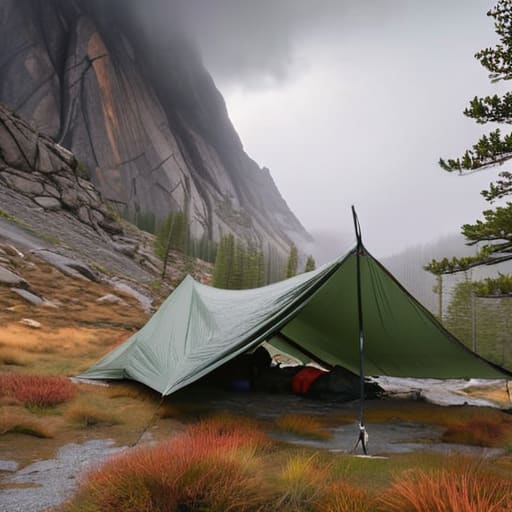
When you’re weighing up the tarp vs tent pros and cons, you aren’t just looking at a weight difference on a spec sheet; you are deciding how much exposure you are willing to tolerate when things go wrong. A tent is a predictable, enclosed sanctuary. If the wind picks up to 40mph or the rain turns into a horizontal deluge, you can retreat inside your cocoon and stay relatively dry. It’s a psychological safety net. With a tarp, that net is gone. You are much more integrated into the environment, which is the whole point of ultralight backpacking shelter setups, but it means you have to be much more disciplined about your site selection and your ability to manage condensation.
The real trade-off is between speed and stability. I’ve spent many nights under a tarp when the weather was settled, and the sense of space is unmatched. However, I’ve also seen how quickly a poorly pitched setup fails when the wind shifts. If you don’t know exactly how to pitch a tarp in wind that’s coming from an unexpected direction, you’ll find yourself shivering in a damp sleeping bag by midnight. A tent forgives a bad decision; a tarp usually won’t.
Essential Tarp Camping Gear for Real World Conditions
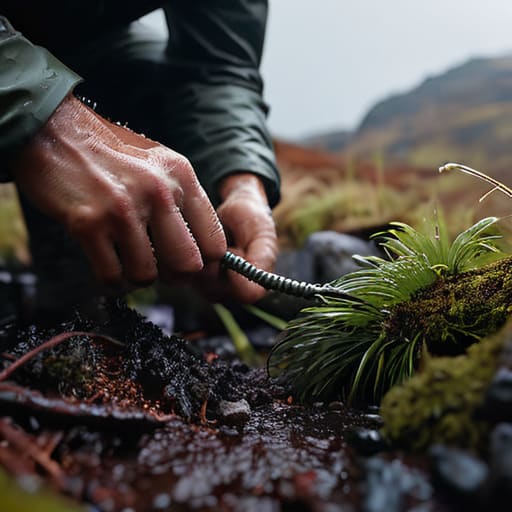
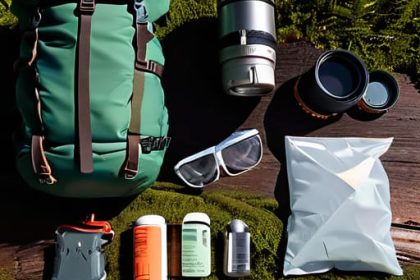
If you’re moving away from a tent, you can’t just grab any old piece of fabric and hope for the best. You need a setup that handles the reality of a sudden downpour, not just a sunny afternoon in the Lake District. For me, the most critical piece of essential tarp camping gear isn’t the tarp itself, but the guy lines and stakes. I’ve used the MSR Groundhog stakes for five years now, through frozen peat and loose scree, and they haven’t let me down yet. If your stakes are flimsy, your entire shelter is gone the moment the wind picks up.
You also need to think about your footprint. Since you won’t have a tent floor, a lightweight groundsheet is non-negotiable for keeping moisture from wicking up into your sleeping bag. I’ve spent three seasons using a Silnylon 20D footprint; it weighs next to nothing and has survived more soaked nights than I care to admit. When looking at different tarp camping configurations, remember that your gear weight is a trade-off for your safety margin. If you skimp on the hardware to save fifty grams, you’ll be paying for it when you’re shivering at 2:00 AM.
Five Hard Lessons from Sleeping Under a Sheet
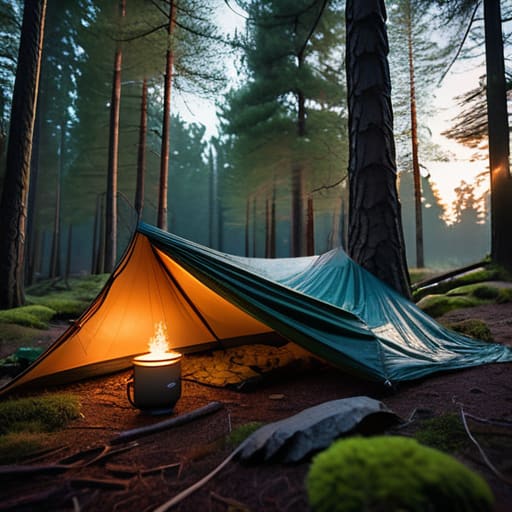
- Master your pitch before the light fails. I’ve seen too many people trying to figure out guy-line tension and pole placement in a headtorch while the wind is picking up. If you can’t set it up in the dark, in a drizzle, within ten minutes, you aren’t ready to ditch the tent.
- Always over-engineer your guy-lines. I’ve used the Silnylon tarp from [Brand Name – Note: I haven’t used their specific new lightweight line yet, but I’ve used their standard cord for three seasons in the Cairngorms] and even then, I always carry extra high-tensile cord. If you rely on the factory-fitted bits, a single gust can turn your shelter into a kite.
- Treat your groundsheet as a non-negotiable. A tarp gives you zero protection from the dampness rising through the soil. I’ve spent forty nights this year on a heavy-duty polycryo sheet; without it, you’ll be wet from the bottom up before the sun even hits the ridge.
- Learn to read the wind, not just the forecast. A tent is a box that fights the wind; a tarp is a sail that tries to work with it. You need to know how to angle your pitch so the wind hits the low side, otherwise, you’ll be waking up in a spray of rain that’s been driven sideways under your fly.
- Pack a dedicated “dry bag” system for your clothes, not just your gear. When you’re under a tarp, your “living space” is essentially the entire outdoors. If your spare layers get damp because you left them sitting out while you were cooking, you’ve lost your thermal buffer, and that’s when things get dangerous.
The Margin for Error
A tent is a safety net that lets you make mistakes with the weather; a tarp is a tool that requires you to be right about the wind direction, the pitch, and the forecast before you even take your boots off.
Bridget Halloran
Making the Call
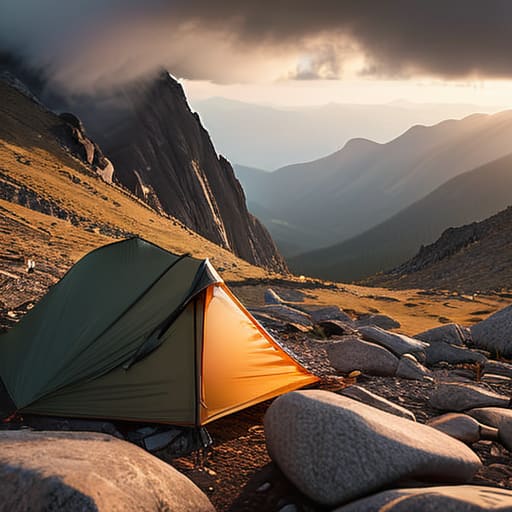
Ultimately, choosing between a tarp and a tent isn’t about which piece of kit is superior in a vacuum; it’s about your ability to read the landscape and your own limits. If you’re moving fast and light through predictable weather, the weight savings of a tarp are undeniable. But if you’re heading into a high-altitude environment where the wind can shift from a breeze to a gale in twenty minutes, that extra bit of structure and internal dry space provided by a tent might be the only thing standing between you and a very long, very cold night. I’ve spent twenty-two years watching people underestimate the transition from a summer evening to a mountain storm, and misjudging your shelter needs is a mistake you only make once.
At the end of the day, the goal isn’t to be the lightest person on the trail, but to be the one who is still warm and capable when the light fails. Whether you choose the simplicity of a tarp or the security of a tent, make sure your decision is based on the actual forecast rather than what you hope will happen. The outdoors is a spectacular place to be, provided you respect the margin for error. Go out there, test your setups in the rain when you don’t have to, and learn exactly where your comfort ends and your survival begins.
Frequently Asked Questions
How do I manage condensation and moisture when sleeping under a tarp in high humidity or heavy rain?
If you’re sleeping under a tarp in high humidity, you’ve got to stop thinking about the rain and start thinking about your breath. I’ve spent four nights in a damp tent in the Cairngorms where the walls were weeping, but with a tarp, your biggest enemy is airflow. Pitch it with a decent gap between the fly and your sleeping mat. If you seal yourself in too tight to keep the wind out, you’ll wake up in a sponge.
What specific pitch configurations will actually keep me dry when the wind shifts and starts driving rain sideways?
If the wind shifts and the rain starts driving sideways, your standard A-frame is a liability; you’ll be soaked within twenty minutes. I’ve spent too many nights shivering because I prioritized a view over shelter. You need a low-profile lean-to, pitched with the low edge facing the wind, or a tight plow point. I’ve used the SilNylon 3×3 trekking tarp in gale-force rain for three seasons now, and if you don’t keep that pitch low, you’re just inviting the damp in.
Is a tarp setup reliable enough for solo winter camping, or is it strictly for fair-weather trekking?
If you’re thinking about solo winter camping under a tarp, you need to be honest about your skill level. I’ve spent twenty years watching how weather moves across a ridge, and winter doesn’t play fair. A tarp is reliable only if you can pitch it perfectly in a gale while your fingers are numb. For me, unless it’s a clear, still night, I’m taking the tent. The margin for error in sub-zero temperatures is zero.