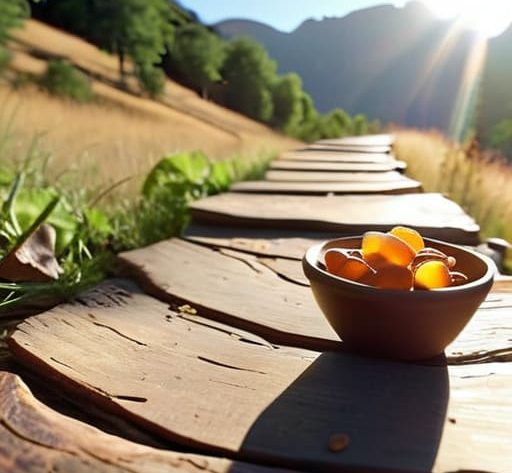
I remember a Tuesday in the Cairngorms, about six years ago, when the wind was hitting forty knots and the temperature had dropped ten degrees in twenty minutes. I was leading a group that had spent the morning fueled by nothing but sugary energy gels and a handful of dried apricots. By the time we reached the high plateau, the “sugar high” had vanished, replaced by a hollow, shaky fatigue that made every step feel like wading through wet concrete. That is the danger of the optimistic snack; people think they know how to eat well on a long walk, but they often confuse a quick spike in glucose with actual, sustained fuel.
I’m not here to sell you on expensive, dehydrated gourmet meals or complicated macro-tracking apps that you’ll forget to use the moment the rain starts hitting your face. Instead, I want to talk about the boring, reliable stuff—the fats, the slow-release carbs, and the calorie density that actually keeps your core temperature up when the weather turns. I will tell you what I carry in my own pack, exactly how much it weighs, and how it holds up after four days of heavy mist and steep ascents.
Table of Contents
Pre Walk Meal Planning to Avoid the Mid Morning Crash
The mistake I see most often isn’t a lack of food; it’s the wrong kind of fuel at the wrong time. People arrive at the trailhead buzzing on a sugary breakfast—muffins, white toast, or a heavy pastry—and they feel great for the first forty minutes. But once you hit that first significant ascent, the blood sugar spike hits a wall, and you’re left staring at a steep scree slope feeling shaky and hollow. Effective pre-walk meal planning isn’t about eating a massive feast; it’s about choosing things that won’t betray you halfway up a ridge.
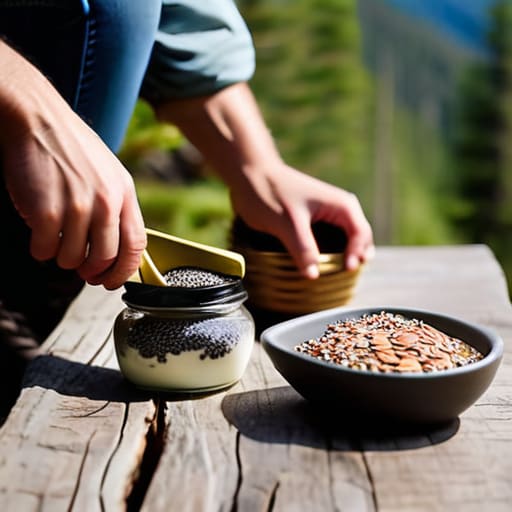
I’ve spent twenty years watching people’s energy levels crater because they ignored macronutrient balance for endurance. I personally stick to a base of slow-release carbohydrates—think porridge oats with seeds or whole-grain rye bread—paired with a bit of protein. I’ve used this exact breakfast on roughly 150 days of multi-day treks in the Lake District, often starting in damp, 4°C conditions. If you focus on complex carbs rather than simple sugars, you’ll find you get much more sustained energy for hikers who actually have to work for their views.
Sustained Energy for Hikers Through Macronutrient Balance for Endurance
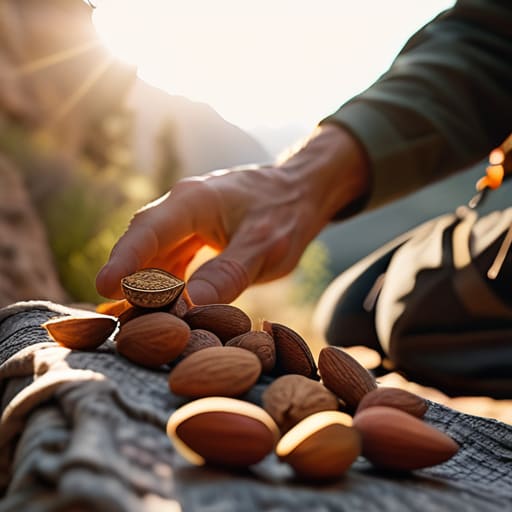
The mistake I see most often—and I’ve seen it from novices to seasoned walkers—is the “sugar spike and crash” cycle. People grab a handful of jelly babies or a sugary sports drink when they feel that first dip in energy, but that’s just a temporary fix. It’s like throwing a handful of dry kindling on a dying fire; you get a bright flash, and then you’re left in the dark. To maintain sustained energy for hikers, you have to look at the chemistry of what you’re putting in your pack.
You need a proper macronutrient balance for endurance that prioritizes slow-release fuel. This means focusing on complex carbohydrates paired with fats and a bit of protein. I’ve spent the last three seasons testing various nut and seed blends during multi-day treks in the Cairngorms, often in wind speeds that make eating a chore. I’ve found that something like a dense, homemade oat bar with plenty of seeds holds up much better than anything store-bought. You want low glycemic index snacks that trickle energy into your bloodstream over hours, not minutes, so you aren’t fighting your own body when the terrain gets steep.
Practical Fueling: What Actually Works When You’re High and Tired
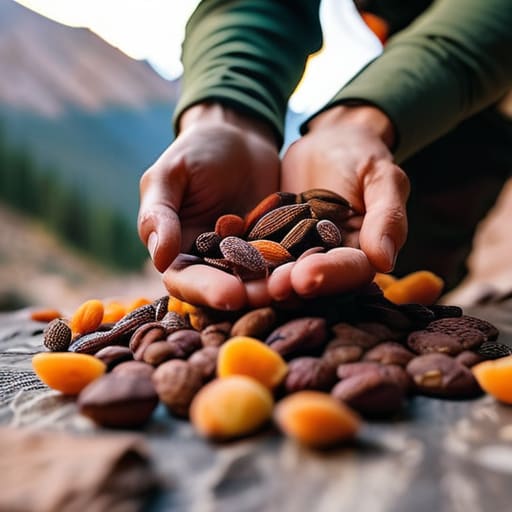
- Stop relying on sugar spikes. I’ve seen too many people reach for a glucose gel or a handful of jelly babies when they hit a steep ascent, only to crash hard forty minutes later when the insulin spike settles. If you want to avoid that hollow, shaky feeling in your legs, you need slow-release fats and proteins—think nut butters or hard cheeses—to bridge the gap between your main meals.
- Test your “trail snacks” in the rain, not just in your kitchen. I’ve carried lightweight energy bars for three seasons now, and while they are great on a dry summer stroll, they turn into a sticky, unmanageable mess inside a jacket pocket the moment the humidity hits 90% or you’re sweating through a layer. If a food requires fine motor skills to eat, and you’re wearing thick gloves in a gale, it’s the wrong food.
- Hydration isn’t just about water; it’s about electrolytes. On a long, multi-day route, especially if you’re moving fast through technical terrain, plain water can sometimes leave you feeling strangely lethargic. I’ve used electrolyte tablets in my bladder for the last four years during heavy pack days, and they make a massive difference in preventing those late-afternoon cramps that usually signal a poorly managed day.
- Pack for the “decision fatigue” window. Around 3:00 PM, when the light starts to fail or the wind picks up, your ability to make good choices drops significantly. This is when people make the “optimistic decision” to skip a meal because they’re tired, only to find themselves shivering and low on morale an hour later. Have a high-calorie, easy-access snack ready for this exact window—something you don’t even have to think about eating.
- Weigh your food, but don’t obsess over calories alone. I’ve spent twenty years carrying different kit, and the weight-to-energy ratio is the only metric that matters. A heavy tin of something is a luxury you can’t afford if you’re doing a long-distance trek, but a bag of dehydrated food that lacks enough fat to keep you warm during a sudden temperature drop is a safety risk. Aim for calorie density that matches the actual effort of the terrain.
The Danger of the Empty Stomach
I’ve seen more people sit down on a ridge, shivering and unable to make a simple decision about which way is north, because they thought they could ‘power through’ a four-hour ascent on nothing but a coffee and a prayer. You can’t out-willpower a caloric deficit once the wind picks up and the temperature drops.
Bridget Halloran
The Final Check Before You Step Off
At the end of the day, eating well on the hill isn’t about gourmet meals or following a strict diet; it’s about managing your internal fuel so you don’t become a liability to yourself or your group. You need that slow-release foundation from your breakfast, a steady stream of macronutrients to prevent the dreaded “bonk,” and a plan that accounts for the reality of a sudden temperature drop or a delayed summit. I’ve seen too many people try to power through a steep, wet ascent on nothing but a handful of sugary sweets, only to find themselves shivering and making terrible decisions when the wind picks up. Remember: your nutrition is just as much a piece of essential kit as your waterproofs or your map.
The mountains don’t care about your fitness levels if your blood sugar has bottomed out and your head is spinning. When you respect the need for consistent, reliable fuel, you aren’t just walking; you are maintaining the mental clarity required to read the clouds and respect the terrain. There is a specific kind of quiet confidence that comes from knowing your pack is stocked and your body is prepared for the long haul. Don’t let an optimistic decision about how little you can eat be the reason you have to turn back in the dark. Eat for the person you will be four hours from now, not just the person you are standing here today.
Frequently Asked Questions
How much weight am I actually adding to my pack if I try to carry real food instead of just bars and gels?
You’re looking at an extra 400 to 700 grams per day, depending on how much you’re swapping out. I’ve carried both setups on three-day traverses in the Cairngorms, and the weight difference is negligible compared to the mental cost of a sugar crash. If you swap three 60g gels for a 300g bag of oats and some nut butter, you’re adding weight, but you’re gaining stability. Weight is easy to manage; a hypoglycemic episode on a narrow ridge is not.
What should I do if the weather turns and I find I've lost my appetite but my energy is crashing?
When the wind picks up and your stomach knots, don’t try to force a heavy sandwich. You won’t want it, and it’ll just sit there like a stone. Switch to small, frequent sips of something liquid—a warm electrolyte drink or even just sweetened tea from a flask. If you can manage a chew, go for something simple like a plain oat bar. It’s about steadying the blood sugar before the shivering starts.
How do I manage calorie intake when I'm walking in freezing temperatures versus a warm summer ridge?
In the summer, you’re managing heat; in the winter, you’re managing fuel for thermogenesis. On a warm ridge, I stick to lighter, frequent snacks to avoid that heavy, lethargic feeling when the sun is hitting you. But in freezing temperatures, your body is working overtime just to stay upright. You need more fats and complex carbs. If you don’t eat enough in the cold, you’ll hit a wall long before the summit.