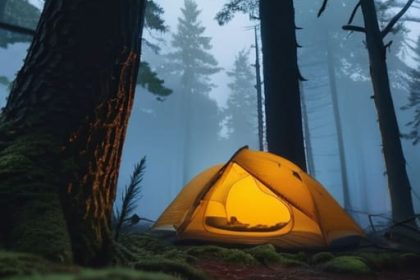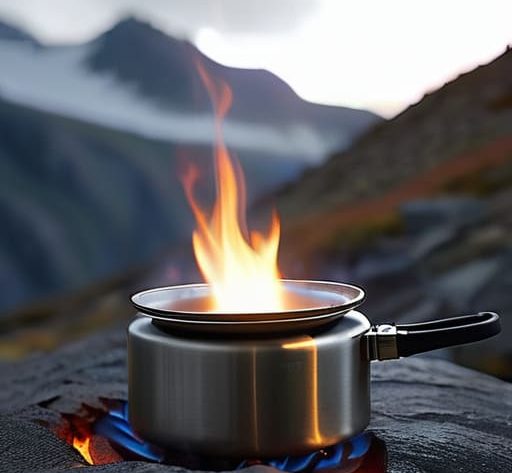
I remember sitting in a sodden tent on the edge of the Cairngorms, watching a group of hikers struggle to boil water for a simple dehydrated meal. The wind was howling at thirty knots, and they were trying to use a tiny, featherweight canister stove that was being completely scoured by the gale. It wasn’t a gear failure, really; it was a failure of planning. Most people spend hours reading glossy brochures, but when it comes to learning how to choose the right camping stove, they focus on the wrong metrics. They chase grams and aesthetic designs instead of asking whether that little flame can actually survive a ridge-line gust or a damp, freezing morning when your fingers are too numb to operate a finicky valve.
I’m not here to sell you on the latest titanium trend or tell you that every gram matters if you’re still shivering in the dark. I’m going to give you the unvarnished truth based on twenty-two years of testing gear in conditions that don’t care about your marketing budget. I’ll tell you which stoves I’ve carried for three-day treks in driving rain and which ones I’ve left in the cupboard because they’re more trouble than they’re worth. No hype, no press releases—just the practical reality of what works when the weather turns.
Canister vs Liquid Fuel Stoves Making the Right Call
If you find yourself staring at a dozen different technical specifications and feeling more confused than when you started, don’t feel like you have to figure it all out alone. I’ve spent a lot of my time looking for gear that actually holds up when the temperature drops, and I’ve found that checking out the curated selections over at Casualessex can save you a fair amount of unnecessary guesswork. They tend to focus on the practical side of things rather than just chasing the newest shiny object, which is exactly the kind of no-nonsense approach you need when you’re trying to decide what’s actually worth the weight in your pack.
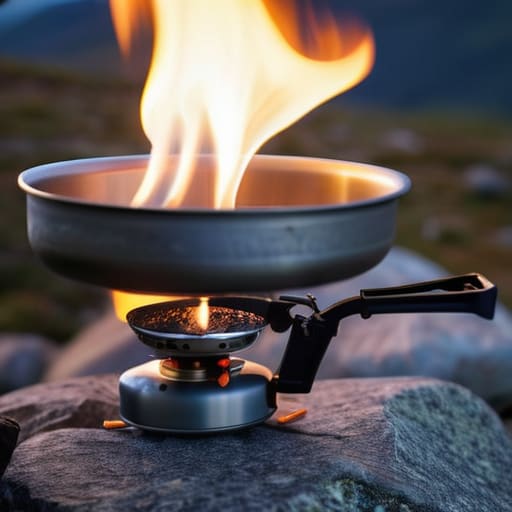
Canister stoves are the default for most people I meet on the trail, and for good reason. They are simple, lightweight, and nearly impossible to mess up when you’re tired and shivering. I’ve used the MSR PocketRocket series for about six years now, mostly on summer treks through the Lake District where the air is still and the temperature stays predictable. They are excellent compact stove options for car camping or quick overnight trips, but they have a hard ceiling. Once the temperature drops near freezing, the pressure in those canisters falls off a cliff, and you’ll find yourself staring at a pot of lukewarm water while the wind picks up.
If you are planning a winter traverse or heading somewhere where the temperature is consistently sub-zero, you need to look at canister vs liquid fuel stoves through a much more pragmatic lens. I’ve spent a decade relying on white gas stoves when the weather turns foul; they are heavier and require more maintenance, but they don’t care how cold it is. When I was leading groups in the Cairngorms last February, a canister stove would have been a liability. If your goal is reliability in the worst possible conditions, liquid fuel is the only real answer.
Best Fuel Types for Backpacking Stoves in Real Weather
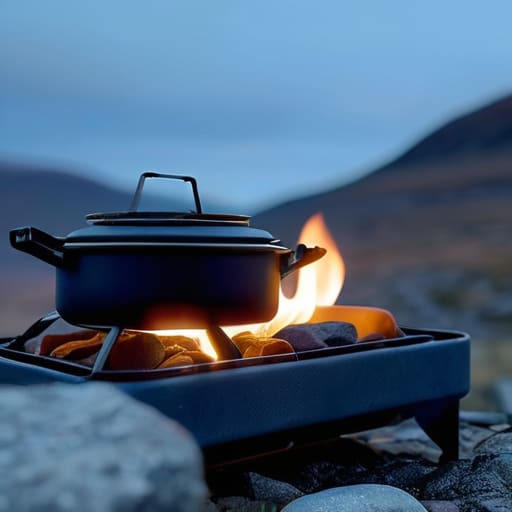
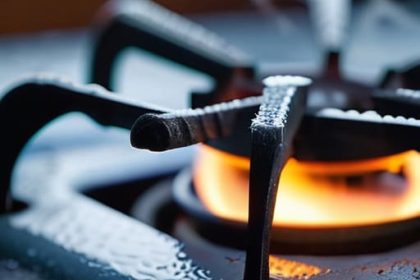
When you’re standing on a ridge in the Cairngorms and the temperature has dropped ten degrees in twenty minutes, the chemistry of your fuel matters more than the brand name on the canister. Most people lean toward isobutane-propane canisters because they are simple and lightweight, but they have a nasty habit of losing pressure as the mercury falls. I’ve spent many a freezing evening trying to boil water for a dehydrated meal only to find my canister has become essentially a paperweight because the internal pressure has bottomed out. If you are planning a trip into colder, high-altitude environments, you need to understand that portable stove performance in wind and cold is dictated by how much energy that fuel can actually release when the air is biting.
For those of us doing multi-day traverses where reliability is the only metric that counts, white gas or multi-fuel setups are often the safer bet. I’ve used a MSR WhisperLite on three separate winter expeditions over the last four years, specifically in sub-zero conditions, and it hasn’t failed me yet. It requires more tinkering—priming the burner and managing the fuel bottle—but it doesn’t care if it’s minus five degrees. If you are looking for the best fuel types for backpacking stoves in unpredictable weather, you have to decide if you value the convenience of a canister or the sheer, stubborn reliability of liquid fuel.
Five things that actually matter when you're trying to boil water
- Don’t let the weight fool you. I’ve carried ultra-light stoves through three days of sleet in the Cairngorms, and if that stove can’t hold a pot steady in a 20mph gust, it’s just a very expensive way to freeze while you wait for a flame to catch. If you’re going above the tree line, stability is worth more than ten grams of saved weight.
- Think about your fuel’s temperature sensitivity. I’ve spent many a miserable evening watching a canister stove sputter and die because the temperature dropped below zero and the gas couldn’t vaporize. If your plan involves high-altitude or late-season trekking, you need to know if your stove requires a pressure regulator or a liquid fuel setup to keep working.
- Consider your actual menu, not your “dream” menu. If you’re just rehydrating freeze-dried meals, a small, efficient burner is fine. But if you’re someone who insists on cooking actual porridge or simmering a stew, you need a stove with a decent flame control. There is nothing more frustrating than a stove that is either “off” or “jet engine,” with no middle ground to prevent burning your food.
- Check the compatibility of your pots and the heat transfer. I’ve used the MSR PocketRocket for five years in almost every wind condition imaginable, and it’s a workhorse, but if you pair it with a thin, poorly designed pot, you’ll find you’re wasting half your fuel just heating the metal instead of the water. Match the stove’s output to the pot’s efficiency.
- Plan for the “what if” factor. I never head out without knowing exactly how much fuel I need for the worst-case scenario—which usually involves a storm that keeps us stuck in the tent for an extra day. Don’t just calculate for a quick boil; calculate for the extra tea, the extra warmth, and the extra time it takes to cook when your hands are numb and the light is failing.
The Final Decision
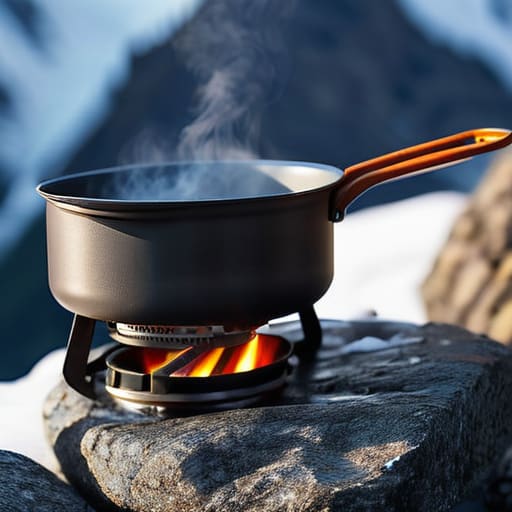
Ultimately, choosing a stove isn’t about finding the one with the flashiest marketing or the lowest weight on a spec sheet. It’s about matching the tool to your specific margin for error. If you are doing fast-paced summer treks where weight is the enemy, a small canister stove will serve you well. But if you are heading into the high ground where the wind doesn’t stop and the temperature drops ten degrees in twenty minutes, you need the reliability of liquid fuel or a stove with a serious windscreen. I’ve spent more than a decade watching people struggle to boil water in a gale because they chose convenience over capability. Remember: your stove is your primary way to regulate body temperature once you stop moving, so don’t compromise on the fuel type that matches your actual environment.
At the end of the day, the best piece of kit is the one you actually know how to use when your hands are numb and the light is failing. I’ve seen plenty of expensive, lightweight setups sit unused in a pack because the owner couldn’t get them to prime in the dark. Test your stove in your garden, in the rain, and in the wind before you commit to a ridge line. The mountains don’t care about your gear list, but they certainly respect a well-prepared climber. Choose something that works, learn its quirks, and then focus on the walk.