I remember sitting in a sodden valley in the Cairngorms, listening to the rhythmic thwack of rain hitting a cheap polyester flysheet that had promised “all-weather protection” in a glossy brochure. My sleeping bag was damp, my boots were a mess, and I was staring at a collapsed pole, realizing that all the technical jargon in the world doesn’t mean a thing when the wind is gusting at forty knots. Most people looking for a complete guide to tents end up drowning in a sea of spec sheets, hydrostatic head ratings, and marketing fluff that tells you everything except how the gear actually behaves when you’re exhausted and shivering at 2:00 AM.
I’m not here to sell you on the latest ultralight trend just because it’s trending on Instagram. My goal is to strip away the hype and give you the unvarnished truth about what actually keeps you dry and sane in the wild. I will tell you the weight, the specific conditions I’ve tested them in, and exactly where a design fails when the weather turns. This isn’t a sales pitch; it is a practical blueprint for choosing a shelter that won’t let you down when the mountains decide to test your resolve.
Table of Contents
Decoding Waterproof Tent Ratings Before the Clouds Break
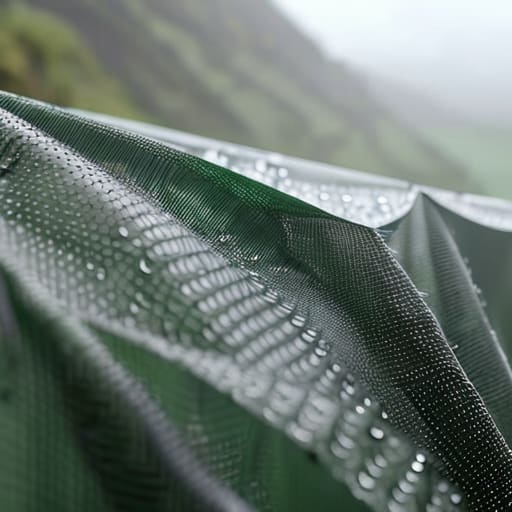
When you’re staring at a spec sheet, the numbers can feel like a bit of a mathematical trick. You’ll see a hydrostatic head rating—say, 2,000mm or 5,000mm—and assume a higher number automatically means you won’t wake up in a puddle. That isn’t quite how it works in the real world. I’ve spent three years testing various flysheets in the constant, driving mist of the Lake District, and I’ve learned that a high rating matters very little if the seam sealing is shoddy or the ventilation is non-existent. If you don’t have airflow, you aren’t fighting the rain; you’re fighting the condensation you’ve created yourself.
Understanding waterproof tent ratings is less about chasing the highest digit and more about matching the fabric to your intended environment. If you are looking at lightweight options, you are often trading tent material durability for a lower gram count. I’ve used ultra-light silnylon shelters for over five seasons on high-altitude ridge traverses; they keep you dry, but you have to be much more mindful of how you pitch them compared to a heavy-duty polyester dome. Don’t buy a professional-grade mountain shelter if you’re only ever pitching in a dry meadow, and don’t trust a summer single-wall tent when the forecast looks even slightly bruised.
Shelter Capacity Guide Why One More Person Changes Everything
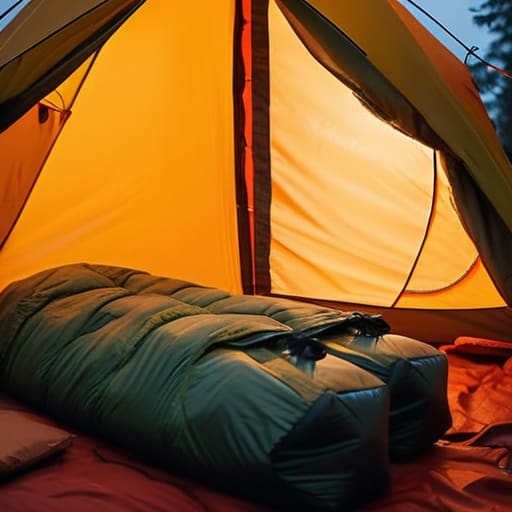
The math of a tent changes the moment you add a second person or even just a larger pack. I’ve spent many a night in a two-person tent that was marketed as “spacious,” only to realize at 10:00 PM in a gale that my partner’s sleeping mat was encroaching on my ribcage. When you are calculating your shelter capacity guide, you aren’t just counting heads; you are accounting for the volume of gear, the width of your sleeping pad, and the psychological toll of being shoulder-to-shoulder when the wind is howling.
If you are looking at backpacking tent weight, there is a massive temptation to drop down one size to save a few hundred grams. I did this three years ago on a four-day trek in the Cairngorms with a lightweight one-person model. It was fine for the first six hours, but once the temperature dropped and the condensation started, I realized I had zero room to move without hitting the damp walls. If you are camping with others, always size up. That extra bit of floor space is the difference between a restless, shivering night and actually getting the recovery sleep you need for the next day’s ascent.
Five Real-World Lessons from a Wet Ridge
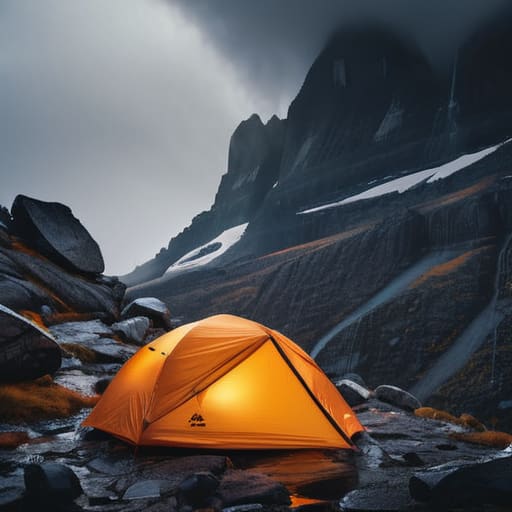
- Don’t trust the person count; trust the gear count. I’ve spent many a night in a ‘three-person’ tent with two others, only to realize we had no room for our packs, let alone our boots. If you are hiking with a partner, buy a three-person tent. You need that extra floor space for your kit, or you’ll be sleeping in a pile of damp nylon.
- Weight is a lie until you’re at kilometer fifteen. A tent might weigh 1.2kg on a spreadsheet, but after three days of horizontal rain in the Lake District, that weight feels doubled. I’ve used the MSR Hubba Hubba for four seasons now, mostly in gusty, wet conditions; it’s a solid weight-to-strength ratio, but don’t expect it to feel light when you’re climbing a scree slope.
- Check the vestibule depth before you buy. A tiny vestibule means your wet waterproofs and muddy boots end up inside the sleeping area. I once spent a miserable night in a lightweight trekking tent because the porch was too shallow to hold my boots, and the condensation turned my sleeping bag damp by midnight.
- Pitching in the dark is a skill, not an option. I have seen too many groups arrive at a campsite at dusk, only to spend two hours fighting with poles and guy lines while the temperature drops. If you haven’t practiced setting your tent up in your garden or a local park in low light, you aren’t ready for the hills.
- The floor is your most important barrier. It doesn’t matter how good your flysheet is if the ground underneath is saturated. I always carry a lightweight footprint, even if it adds a few hundred grams, because I’ve learned the hard way that a tent’s “waterproof” floor can still succumb to hydrostatic pressure if you’re sitting on damp ground for too long.
The Weight of a Bad Decision
A tent isn’t just a piece of kit you carry; it’s the difference between a night of actual recovery and a night spent shivering in a damp nylon bag because you prioritised a lower weight over a decent vestibule. I’ve spent too many nights watching people struggle to dry their socks in a space meant for one, and I can tell you: the extra 400 grams you thought you were saving is a very small price to pay for not being soaked to the bone by morning.
Bridget Halloran
Making the Call
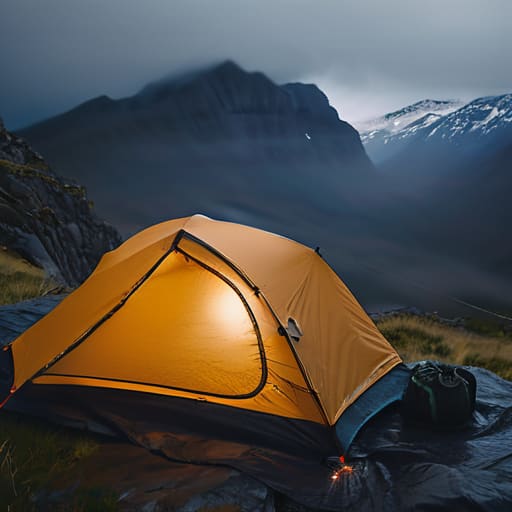
At the end of the day, picking a tent isn’t about finding the one that looks best in a glossy brochure; it’s about matching the specs to the reality of your specific trips. You have to weigh the math of waterproof ratings against the actual wind speeds you expect to face, and you have to be honest about capacity—because a tent designed for two people becomes a cramped, miserable box the moment you add a heavy pack or a second person. I’ve spent twenty years watching people try to squeeze a week’s worth of gear into a sub-two-person ultralight shelter, only to realize they’ve sacrificed their only dry space for a few saved grams. Don’t let a lightweight obsession lead to a decision you’ll regret when the temperature drops and the rain starts hitting the fly.
Ultimately, your tent is more than just a piece of kit; it is your primary boundary between a successful expedition and a dangerous situation. When the light is failing and the weather is turning, that thin layer of fabric is the only thing standing between you and the elements. Choose something you trust, something you have actually tested in the damp and the dark, and never underestimate the importance of having a shelter that matches your ambition. The mountains will always be there, but you need to make sure you’re dry enough to enjoy them when you finally get home.
Frequently Asked Questions
How much extra weight am I actually adding if I opt for a four-season tent instead of a lightweight summer model?
You’re looking at an extra 800g to 1.5kg, usually. I’ve carried both. Last October, I took a summer model up a ridge in a sudden gale; the poles flexed so much I couldn’t sleep, and the fly felt paper-thin. A four-season tent adds weight in the form of heavier DAC poles and thicker fabrics, but that weight is what keeps the structure from collapsing when the wind decides to bite.
Is it worth investing in a more expensive sil-nylon tent, or will a standard polyester one hold up during a heavy soak?
It depends on how much weight you’re willing to carry when the weather turns. I’ve used a standard polyester tent for five years on wet, low-altitude moorland treks; it’ll keep you dry, but it’s heavy and stays heavy. I switched to a sil-nylon model three years ago for ridge traverses in the Lake District. It’s significantly lighter, but you have to manage the fabric tension as it stretches when wet.
How do I figure out if a tent's footprint is actually necessary for protecting the floor, or if it just adds unnecessary bulk to my pack?
I’ve used the lightweight silnylon footprint for my Hilleberg tent through about forty nights of damp, rocky terrain in the Lakes. If you’re camping on established sites or soft grass, skip it; the extra weight isn’t worth the bulk. But if you’re scrambling onto scree or dealing with sharp, frost-hardened ground, take it. I’ve seen too many people ruin a perfectly good floor because they thought they could save fifty grams.