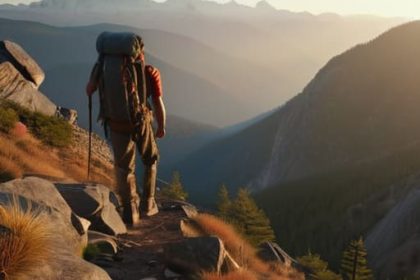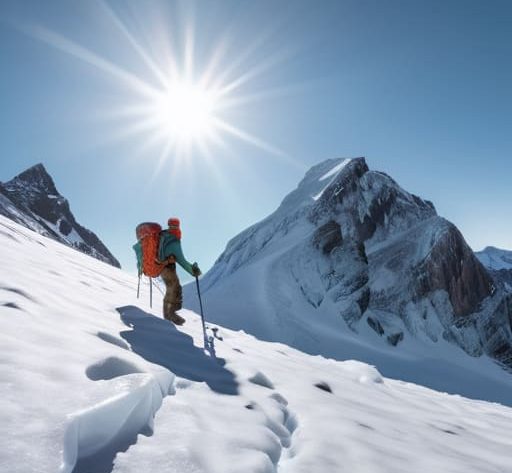
I remember standing on a ridge in the Cairngorms three years ago, watching a group of hikers—all decked out in the latest “ultralight” tech they’d seen on Instagram—shivering uncontrollably because they’d prioritised weight over actual warmth. They had the expensive shells, but they didn’t have the sense to pack a heavy mid-layer for when the wind hit 40mph. Learning how to hike safely in winter isn’t about owning the most expensive kit; it’s about understanding that the mountain doesn’t care about your gear list, only your decisions.
I’m not here to sell you a lifestyle or a brand-new mountain parka. In this guide, I’m going to give you the unvarnished truth about what actually keeps you upright when the light fails and the temperature drops. I’ll talk about the boring, vital stuff—layering logic, reading a wind chill forecast, and knowing exactly when to turn back—because that is what keeps people alive. If I haven’t personally tested a piece of kit in sub-zero, horizontal rain, I won’t tell you it works. This is about survival and competence, not aesthetics.
Table of Contents
The Optimism Trap Navigating Snowy Terrain and Unreliable Forecasts
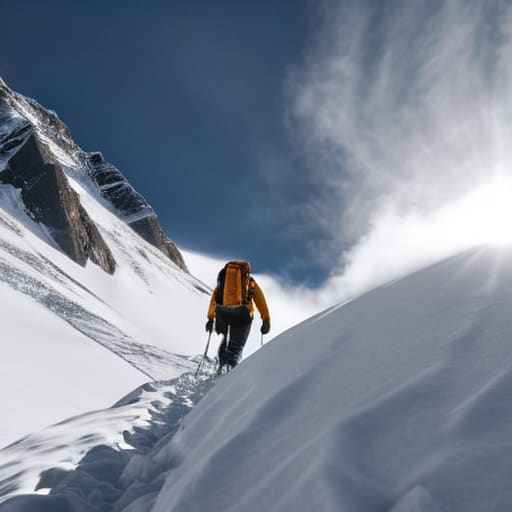
The problem with a sunny morning in the hills is that it lies to you. I’ve stood at the base of a climb, looking at a bright, crisp sky, and felt that familiar, dangerous tug of optimism. You think you’re just heading out for a quick loop, but the mountain doesn’t care about your schedule. I’ve seen groups get caught in a sudden temperature drop because they relied on a morning forecast that didn’t account for the wind chill on a high ridge. When you’re navigating snowy terrain, that gap between a pleasant walk and a survival situation closes faster than most people realize.
It usually starts with one small decision: “We’ll just push on for another hour; the weather looks fine.” That’s when you stop being a hiker and start being a statistic. Real winter trail safety tips aren’t about grand gestures; they are about the discipline of turning back while you still have the daylight and the energy to do it. I’ve spent more hours guiding people out of trouble because they ignored the darkening clouds in favor of reaching a summit. If the wind picks up or the visibility drops, you don’t negotiate with the mountain. You turn around.
Preventing Hypothermia on Trails Before the Shivers Start
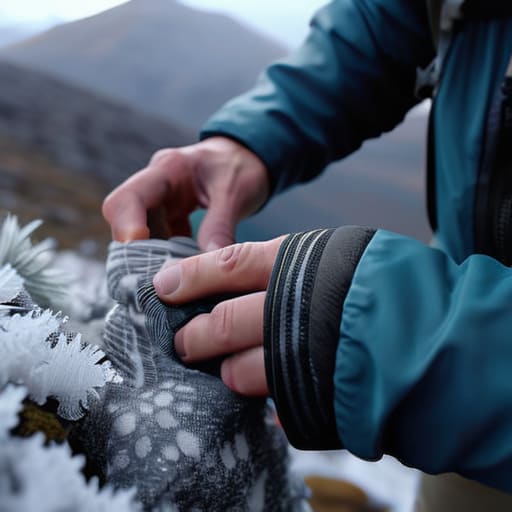
The mistake most people make is waiting until they are shivering to reach for their fleece. By then, you’ve already lost the battle. I’ve sat with groups on the lee side of a ridge in the Cairngorms where the temperature was dropping faster than they could unzip their jackets, and the look in their eyes tells you they’ve crossed the line from “chilly” to “danger.” Preventing hypothermia on trails isn’t about reacting to the cold; it’s about managing your metabolic heat before the sweat even starts.
I’ve used my Rab Microlight for nearly five seasons now, mostly in damp, biting winds on the Lake District fells, and it’s my go-to for a reason: it stops working if it gets soaked. Your strategy should rely on modular winter hiking clothing layers that you can add or shed in thirty-second increments. If you feel a slight chill, put the layer on immediately. If you start to feel even slightly damp from exertion, strip a layer off. Staying dry is the only way to stay warm when the wind picks up.
The Small Decisions That Keep You Moving
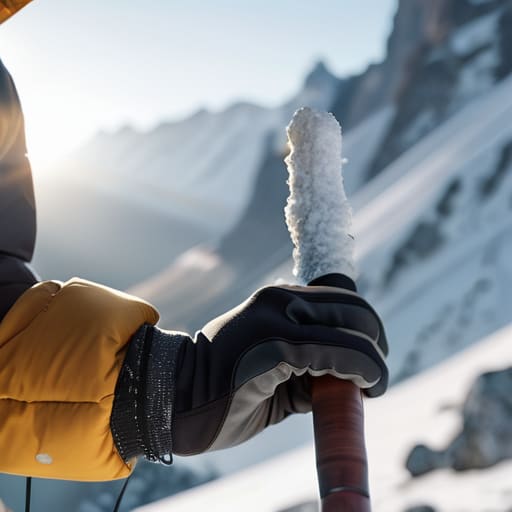
- Check your boots before you leave the house. I’ve spent twenty-two years watching people’s feet fail them, usually because they tried to tackle a frozen scree slope in lightweight trail runners that were meant for a summer stroll in the Peak District. If you aren’t wearing something with stiff soles and decent ankle support, you’re asking for a rolled ankle or a very cold foot.
- Carry a way to make heat, not just a way to hold it. A thermos of hot tea is fine, but if you’re truly stuck, you need something more reliable. I’ve carried the Snow Peak titanium mugs for six years through every gale in the Cairngorms, and they’re light, but they won’t save you if you don’t have a way to boil water. Always pack a small, reliable stove and enough fuel to make more than one cup.
- Stop being afraid of the “turn back” time. I make my groups pick a hard cutoff time—say, 1:00 PM—regardless of how close the summit looks. I’ve seen too many people lose the light because they thought they could “just push on for twenty more minutes.” Those twenty minutes are usually when the temperature drops and the navigation gets impossible.
- Your navigation needs to be tactile, not just digital. I use a Silva compass and OS maps for everything, even when my GPS is working perfectly. I’ve had three different handheld units fail me in heavy snow or extreme cold over the last decade. A screen is a convenience; a map and compass are your lifeline when the batteries decide they’ve had enough of the frost.
- Pack more layers than your gut tells you to. Most people pack for the temperature they feel when they’re walking. You need to pack for the temperature you’ll feel when you stop to check a map or when the wind picks up on a ridge. I always carry a heavy synthetic mid-layer that I haven’t even touched in three years, but it’s the only thing that has kept me from shivering uncontrollably during a forced stop in a sudden sleet storm.
The Cost of a Single Decision
“I’ve spent two decades watching people get into trouble not because they lacked the right kit, but because they lacked the discipline to turn back when the light started fading or the wind started biting. In winter, the margin between a long day out and a life-threatening situation is usually just one optimistic decision made an hour too late.”
Bridget Halloran
The Decision to Turn Back
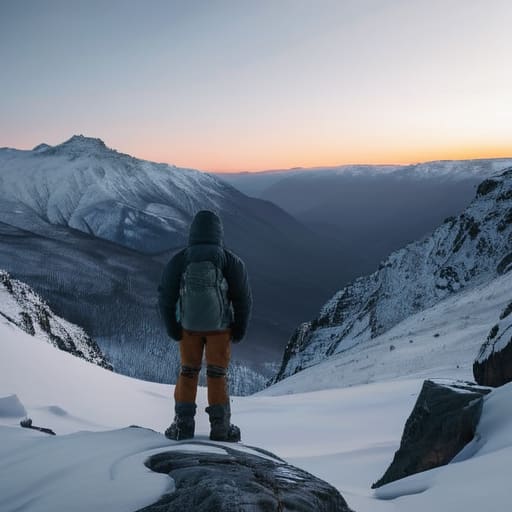
At the end of the day, winter hiking isn’t about conquering a summit or proving how much gear you can carry; it is about managing the variables you can actually control. That means respecting the forecast, understanding that your layers are your primary defense against the drop in temperature, and—most importantly—having the discipline to recognize when the conditions have outpaced your plan. I’ve spent twenty years watching people push through the “just one more mile” mentality, only to find themselves shivering in a dark hollow because they ignored the fading light or the shifting wind. Safety in the mountains is built on boring, incremental decisions made long before the first snowflake hits your jacket. If you respect the terrain and your own limits, you’ll be around to see it again.
There is a specific kind of quiet that only exists in the mountains during a winter freeze, and it is one of the most rewarding things I have ever experienced. When you prepare properly, you aren’t just avoiding disaster; you are earning the right to be there, fully present, without the constant, nagging anxiety of being unprepared. Don’t let the fear of the cold stop you, but let the reality of the environment guide you. The hills will always be there, and they aren’t going anywhere, so there is no shame in choosing a lower route or heading home early. The best hikers I know aren’t the ones who reach every peak; they are the ones who know exactly when to walk away.
Frequently Asked Questions
How do I know when my "emergency" layer is actually enough to stop a core temperature drop when the wind picks up?
If you’re waiting until you’re shivering to reach for that layer, you’ve already lost the battle. I’ve spent twenty years watching people try to “power through” a chill, only to find their dexterity gone by the next ridge. If you feel that first subtle dip in core warmth or your skin feels clammy despite moving, stop. Put the layer on then. I’ve used my Rab Neutrino down jacket in gale-force sleet for five seasons; it’s heavy, but it works.
What are the specific signs that a mountain forecast is turning from "difficult" to "dangerous" for someone without professional training?
Watch the wind, not just the temperature. If the forecast says “gusts” and you start feeling a persistent, biting chill that cuts right through your shell, the wind chill is doing more damage than the thermometer suggests. Also, look at the clouds. If they’re thickening or lowering rapidly, your visibility is about to vanish. If you can’t see the horizon clearly anymore, you’re no longer in “difficult” territory—you’re in a whiteout, and it’s time to turn back.
If I'm out on a ridge and the visibility drops to zero, how do I decide between pushing for the summit or turning back immediately?
If you’re standing on a ridge and the world has gone white, stop. Don’t look at the summit; look at your watch and your compass. If you can’t see the next landmark clearly, you’ve already lost the ability to navigate safely. I’ve seen too many people try to “push through” only to walk straight off a cornice. If visibility is gone, turn back. The summit isn’t going anywhere, but your ability to find the way home is.