I remember standing on a sodden ridge in the Cairngorms back in 2012, trying to explain to a group of increasingly shivering hikers that we weren’t lost, we were just navigating. One of them pulled out a glossy, expensive field guide, flipping through pages of perfect, sun-drenched illustrations that looked nothing like the twisted, lichen-crusted reality of the actual landscape. It’s a common mistake to think you need a degree or a high-definition guidebook to understand the woods, but if you’re waiting for a perfect diagram to tell you how to identify trees, you’re going to be standing in the rain for a long time. Real identification isn’t about matching a pretty picture; it’s about reading the bark, the way the branches catch the wind, and the specific way the light hits a leaf when the canopy starts to thin.
I’m not here to give you a lecture or a list of Latin names you’ll forget by the time you reach the trailhead. Instead, I’m going to show you the practical shortcuts I’ve used over twenty-two years of working in the hills. We are going to focus on the tactile, messy details—the scars in the wood and the patterns in the canopy—that actually matter when you’re out in the elements. This isn’t about being a botanist; it’s about reading the landscape so you can move through it with confidence.
Table of Contents
Deciduous vs Evergreen Characteristics Reading the Seasons
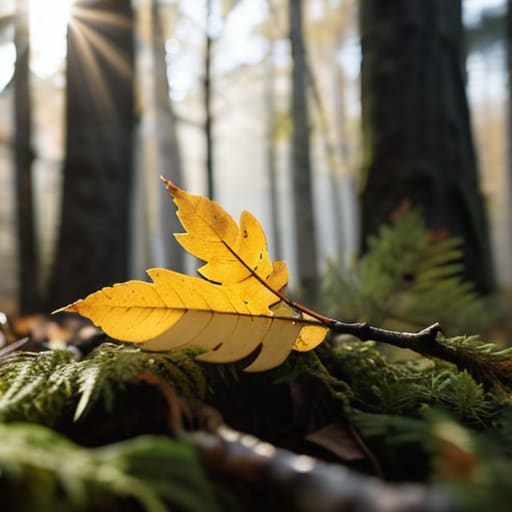
When you’re navigating a ridge in late October, the first thing you notice isn’t the species, but the shift in the landscape’s texture. The most fundamental split is understanding deciduous vs evergreen characteristics; it’s the difference between a forest that breathes with the seasons and one that stands its ground. I’ve spent many a November afternoon watching the canopy thin out, leaving the skeletal shapes of oaks and birches exposed. If you can’t read the tree leaf arrangement patterns—whether they’re opposite or alternate—you’re going to struggle once the leaves actually hit the ground.
Once the foliage drops, your focus has to shift to the architecture of the branches. You start recognizing tree silhouettes against a grey sky to get your bearings. If it’s a dark, dense shape that holds its form through a February gale, you’re likely looking at a conifer. I’ve spent three years relying on a specific set of lightweight binoculars for bird watching, and I’ve learned that knowing whether you’re looking at a broadleaf or a needle-bearing tree is the quickest way to predict the wind’s behavior through the canopy.
Recognizing Tree Silhouettes Against a Changing Sky

When you’re navigating a ridge line in the fading light or trying to find a bearing through a thick mist, you won’t be looking at individual leaves. You’ll be looking at the shape of the crown against the sky. Recognizing tree silhouettes is often the first, and sometimes only, way to tell where you are when the detail starts to blur. A Rowan has a distinct, open, somewhat messy structure that stands out, whereas a Beech presents a much denser, more rounded mass. If you can see a sharp, conical spire cutting into the clouds, you’re looking at a conifer; if the shape is more irregular and spreading, you’re likely dealing with a broadleaf.
I’ve spent many late afternoons watching the light fail over the fells, and I’ve learned that the “skeleton” of the tree tells you more than the foliage ever could. An Oak has a heavy, rugged, almost architectural silhouette that looks nothing like the delicate, weeping lines of a Willow. Learning these profiles is about pattern recognition, not just memorizing a textbook. If you can master the basic outlines, you won’t find yourself staring blankly at a dark shape when the weather turns and your headlamp becomes your only real guide.
Stop Guessing and Start Looking: Five Ways to Actually Read a Tree
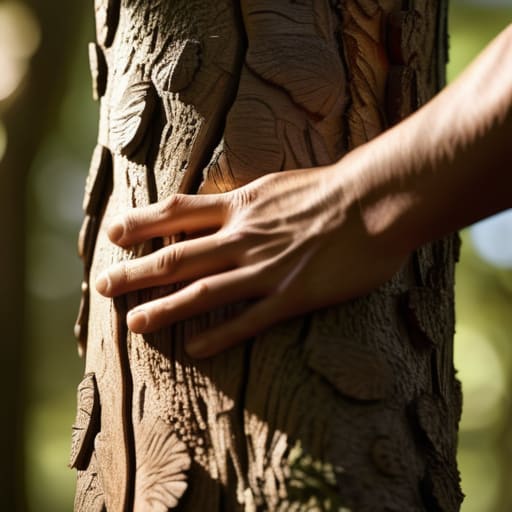
- Look at the bark before you look at the leaves. When the light is failing or the canopy is too thick to see through, the bark is your most reliable map. I’ve spent years documenting nesting sites in the Lake District, and I can tell a mature Rowan from a Silver Birch by the texture of the trunk alone, even in a downpour when the leaves are just a green blur.
- Master the leaf margins. Don’t just look at the shape; feel the edges. Is it serrated like a saw, or is it smooth? If you’re trying to distinguish between a Hawthorn and something else in low light, that edge detail is often the only thing that won’t lie to you.
- Pay attention to the branching pattern. Some trees grow in a structured, predictable way, while others are chaotic. If you can see the skeleton of the tree against the sky, the way the limbs reach out—whether they are upright and narrow or spreading and heavy—will tell you more about the species than a quick glance at a single branch.
- Use the “twig test” when the season changes. If you are out in late autumn or winter, the leaves are useless. You need to learn the buds. I’ve carried a small hand lens in my kit for fifteen years specifically for this; the shape, colour, and arrangement of the buds on a twig are as unique as a fingerprint.
- Check the leaf arrangement on the stem. This sounds academic, but it’s practical. Does the leaf come off the branch in pairs directly opposite each other, or does it alternate? Knowing this one rule will instantly narrow your search down by half and stop you from wasting time on the wrong family of trees.
## Why the Details Matter
“Don’t just look for a shape and call it a day; if you can’t tell the difference between a rowan and a hawthorn by the leaf margin when you’re standing in a gale, you aren’t actually reading the landscape, you’re just guessing—and guessing is how you end up lost in a wood you thought you knew.”
Bridget Halloran
Beyond the Identification Key

At the end of the day, identifying trees isn’t about memorising a textbook list to win a pub quiz; it’s about building a mental map of the landscape you’re walking through. You need to be able to distinguish the broad, sweeping silhouette of an oak from the jagged reach of a pine, even when the mist is rolling in and your visibility is dropping to ten metres. By looking at the bark textures, the way the branches hold the light, and whether the canopy stays stubbornly green through a January gale, you stop seeing a wall of wood and start seeing a living, breathing ecosystem. Don’t get discouraged if you misidentify a birch for a beech in the low light; just pay attention to the patterns and keep your eyes moving.
There is a specific kind of quiet confidence that comes from knowing exactly where you are standing based on the trees surrounding you. It turns a walk from a simple exercise into a conversation with the terrain. When you can read the canopy, you aren’t just a visitor passing through; you are part of the landscape, understanding the shelter provided and the wind patterns shifting above. The trees have been there long before we arrived with our GPS units and laminated guides, and they’ll be there long after. Learn their language, not because it’s a hobby, but because it makes the hills feel a little less indifferent and a lot more like home.
Frequently Asked Questions
How can I tell the difference between similar species, like Birch and Alder, when I'm looking at them in low light or heavy mist?
When the mist rolls in and everything turns into a grey smudge, stop looking at the leaves; they’re useless in low light. Look at the bark and the habit instead. Birch has that unmistakable silvery, papery skin that catches what little light remains, even in a downpour. Alder is darker, more rugged, and usually huddled near water. If you can’t see the bark, look at the branch structure—birch is much more delicate and “weeping.”
If I'm trying to identify a tree in winter, what specific bark patterns or bud shapes should I be looking for to avoid mistakes?
In winter, you’re stripped of leaves, so you have to look closer. Don’t just glance at a trunk; feel it. A Birch will have that papery, silver skin that peels, while an Oak is deep, rugged, and corky. If you’re really stuck, look at the buds. Willow buds are long and tapered, whereas Hazel buds are small, dark, and blunt. Learn these textures now, while you’re dry, before you’re fumbling in the sleet.
Are there certain tree types I should be able to identify just by the sound of the wind moving through their canopy?
You can. It’s about how the leaves catch the air. A pine forest has that distinct, low-frequency rush—a heavy sigh because the needles break up the wind. Compare that to a birch grove; the leaves are smaller and thinner, so they create a higher-pitched, frantic rustle, almost like paper being crinkled. If you’re navigating a ridge in low visibility, learning that difference helps you orient yourself to the woodland edge before you even see it.