I remember sitting in the driving rain on a ridge in the Cairngorms three years ago, watching a photographer scramble over a scree slope just to shave ten feet off his distance to a nesting peregrine. He was so focused on the framing of his shot that he didn’t notice the bird had stopped calling and started watching him with that heavy, predatory stillness. That’s the moment you realize that knowing how to photograph wildlife ethically isn’t about having the longest lens money can buy; it’s about recognizing when your presence has become a threat. Most people think ethics is a checklist of rules, but in reality, it’s about reading the landscape and the animal before you even touch the shutter button.
I’m not here to sell you on expensive telephoto lenses or fancy camouflage gear that promises to make you invisible. I’m going to tell you what actually works when you’re tired, cold, and staring at a subject that doesn’t want you there. We’ll talk about the uncomfortable decisions—like when to pack your kit and walk away—and why the best shot is often the one you never take.
Table of Contents
Minimizing Animal Disturbance Through Quiet Observation
The most common mistake I see isn’t a lack of technical skill; it’s a lack of situational awareness. People arrive on a ridge or at a treeline with their eyes glued to a viewfinder, completely oblivious to the way their presence is rippling through the landscape. If you are constantly moving, adjusting your tripod, or crunching through undergrowth to get “the shot,” you aren’t observing; you are intruding. True minimizing animal disturbance starts long before you press the shutter. It begins with the decision to sit still, perhaps for forty minutes in the damp, and wait for the bird to forget you are there.
I’ve spent years tracking raptors, and I can tell you that a bird’s behavior changes subtly when it feels watched—a slight tilt of the head, a momentary pause in foraging. That is your cue to back off. When it comes to wildlife photography best practices, silence is your most valuable piece of kit. If you find yourself holding your breath just to stay quiet, you’re doing it right. Don’t let the pursuit of a perfect frame turn you into a predator in the eyes of the subject.
Respecting Natural Habitats Over the Perfect Frame
I’ve spent more time than I care to admit watching people trample sensitive vegetation just to get a slightly lower angle on a nesting site. It’s easy to forget that when you’re staring through a viewfinder, you aren’t just looking at a subject; you are standing in someone’s living room. Respecting natural habitats means understanding that a trampled patch of heather or a crushed patch of moss might look insignificant to you, but for the species living there, it’s a structural disaster. If you have to step off a marked path or scramble over a fragile scree slope to get that one specific composition, you’ve already lost the ethical argument.
The reality is that wildlife photography moral dilemmas often boil down to a single moment of greed. You see a bird in a perfect light, and suddenly, the fact that you’re encroaching on a protected nesting area feels secondary to the shot. It isn’t. I’ve seen how a single heavy-footed trekker can disrupt a breeding cycle for an entire season. If the terrain is too delicate to walk on, the shot isn’t worth taking. Period.
The five things that matter more than the shot
- Learn to read the body language before you even lift the camera. If a bird stops feeding to stare at you, or a mammal freezes and ears twitch toward your position, you’ve already crossed the line. You aren’t “observing” them anymore; you’re an intruder, and you need to back off before they decide you’re a threat.
- Ditch the telephoto lens ego. I’ve spent years tracking raptors, and the best way to get a natural behavior is to stop trying to get “close.” If you find yourself creeping closer and closer to get that intimate portrait, you aren’t being a photographer; you’re being a nuisance. Use the glass you have and stay in your lane.
- Respect the nesting sites. I keep a log of nesting locations for a reason, and I can tell you from experience that a single person standing too close to a ledge can cause a parent bird to abandon a clutch. If you see signs of a nest—scat, broken twigs, or territorial calls—turn around. No photo is worth a failed breeding season.
- Silence isn’t just about your voice; it’s about your gear. I’ve used the Sony A7 series for about four years in everything from heavy mist to biting wind, and while the shutter is fast, the sound of a rapid-fire burst can be incredibly jarring in a quiet glen. If you’re in a sensitive area, use the electronic shutter. The silence is worth the trade-off.
- Stop using playback as a distraction. I see it all the time on the hills: people so busy scrolling through their LCD screen to see if they “got the shot” that they miss the actual animal moving ten yards away. Look up. The animal is the priority, not the digital ghost of it on your screen.
The cost of the shot
I’ve spent twenty years watching how a single startled bird can change the trajectory of an entire nesting season; if your presence is forcing an animal to choose between your lens and its own survival, you aren’t documenting nature, you’re disrupting it.
Bridget Halloran
The Long View
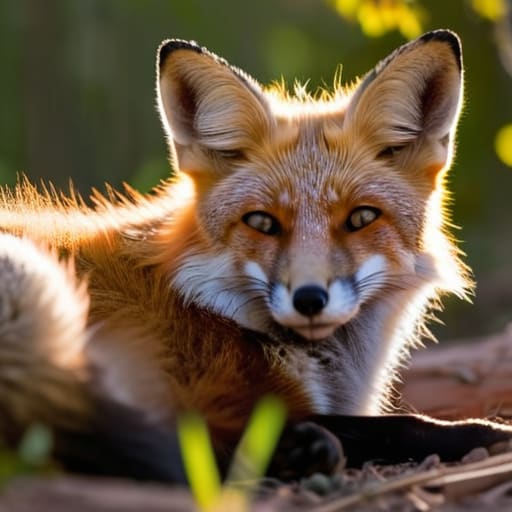
At the end of the day, ethical wildlife photography isn’t about following a list of rules; it’s about a fundamental shift in how you approach the landscape. It’s about understanding that the bird on that ledge or the fox in the scrub isn’t a prop for your portfolio, but a living creature with a caloric budget and a territory to defend. Whether you are managing your distance to prevent a nesting failure or choosing to pack up your tripod because the wind is turning and the animal is looking restless, you are making a choice. You are deciding that the integrity of the ecosystem matters more than the digital file on your memory card. If you have to push, prod, or wait for a moment that requires you to compromise an animal’s safety, the shot isn’t worth taking.
I’ve spent twenty-two years watching how animals react to us, and the most rewarding moments I’ve ever had didn’t come from forcing a scene, but from being patient enough to let the scene happen on its own terms. There is a specific, quiet kind of satisfaction in walking away from a ridge empty-handed because you saw a golden eagle settle into a nest and you knew your presence was too much. That is where the real skill lies—not in your shutter speed, but in your discipline and restraint. When we prioritize the animal over the image, we ensure that there will actually be something left to photograph for the next generation.
Frequently Asked Questions
How do I know if my presence is actually causing stress to a bird if I can't see its physical reaction?
You don’t need to see a bird take flight to know you’ve crossed the line. Look for the subtle shifts: a sudden cessation of feeding, a change in posture, or a bird that stops its song and just stares. If they stop what they were doing to watch you, they are already spending energy they shouldn’t be. If you feel like you’re being watched, you’re likely already an intruder. Back off.
At what point does using a long telephoto lens stop being "ethical" and start becoming a way to invade an animal's personal space?
A lens doesn’t change the distance, but it changes your perception of it. You might feel safe behind a 600mm, but if the animal stops feeding, changes its posture, or looks directly at you, you’ve already crossed the line. I’ve seen people use long glass as a psychological shield, thinking they’re invisible while they’re actually causing a bird to abandon a nest. If the animal is reacting to your presence, the gear is irrelevant—you’re too close.
If I'm already out on a ridge and see a nesting pair, is it better to walk away immediately or stay put to avoid making them feel like they're being hunted?
If you’ve already spotted them, don’t perform a sudden, panicked retreat. A frantic backtrack often looks more like a predator’s movement than a casual hiker’s. Instead, stop moving immediately. Freeze, drop your profile, and wait. If they’re already reacting to you—looking up, calling, or shifting position—the damage is done; at that point, your best move is to slowly and quietly backtrack the way you came. Don’t linger to “test” their reaction.