I remember a client back in 2014, somewhere in the Cairngorms, trying to cut through a frayed climbing rope with a massive, tactical folding knife that looked like it belonged in a movie rather than a rucksack. He was fumbling with a locking mechanism that was too stiff for cold hands, and the blade was so thick it was practically a lever, not a cutting edge. Most people think they need the most expensive, high-carbon, “survivalist” piece of steel on the market, but when you’re actually learning how to choose a knife or multitool, you realize that over-engineering is often just another word for useless weight.
I am not here to sell you on titanium alloys or marketing jargon that sounds impressive in a glossy brochure. My goal is to strip away the hype and talk about what actually matters when the light is failing and your fingers are numb: accessibility, weight, and reliability. I’ll tell you what I’ve carried through three seasons of heavy rain and how a tool actually performs when you’re trying to fix a broken stove strap in a gale. This isn’t a gear guide; it’s a lesson in what stays in your pack and what ends up being a heavy piece of scrap metal.
Table of Contents
Multitool vs Folding Knife Finding Your Specific Margin for Error
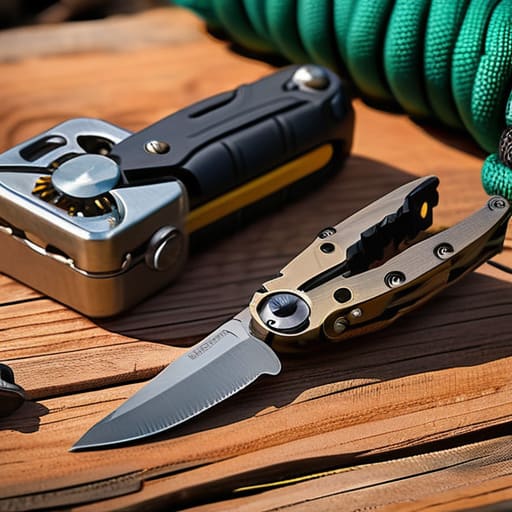
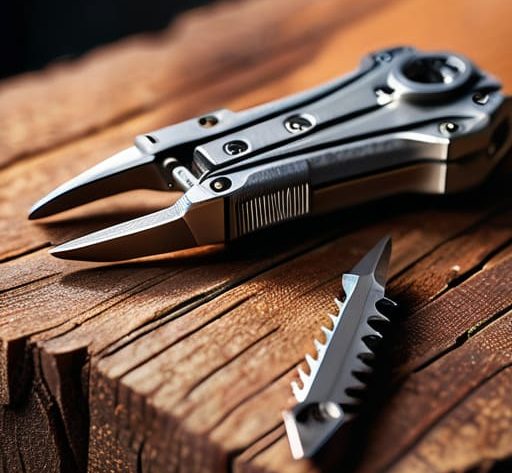
The choice between a multitool vs folding knife isn’t about which one is “better” in a vacuum; it’s about where you’re willing to carry the extra weight and what kind of failure you can tolerate. I’ve spent many a night in a bivvy bag trying to tighten a loose screw on a stove regulator or snip a bit of frayed cordage with a pair of blunt pliers. In those moments, a dedicated folding knife feels useless, no matter how sharp the edge is. However, I’ve also had mornings where I needed to process a bit of kindling or slice through a thick piece of dried food, and fumbling with the various levers and mechanisms of a heavy multitool felt like an unnecessary chore.
When you’re weighing up tool weight and portability, remember that every gram counts when you’re twenty miles into a ridge walk. A dedicated knife is lighter and usually offers a more ergonomic grip for fine tasks, whereas a multitool is your insurance policy for mechanical mishaps. I’ve carried the same Leatherman through five seasons of heavy rain and grit; it’s bulky, but it’s the only thing that has reliably fixed my gear when the temperature dropped and the light began to fail.
Understanding Pocket Knife Blade Steel Types and Real World Edge Retention
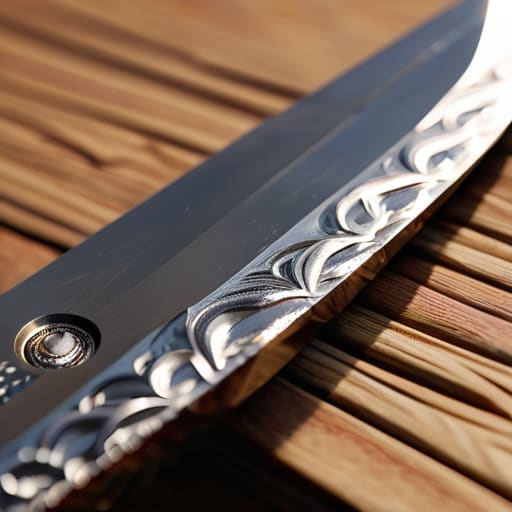
When you’re looking at a spec sheet, the jargon for pocket knife blade steel types can feel like a different language. You’ll see terms like S30V or VG-10 and feel like you need a chemistry degree to make sense of them. In my experience, the only thing that matters is the trade-off between edge retention and how easy it is to sharpen when you’re tired. I’ve spent fifteen years using high-carbon steels that rust if you even look at them wrong, and I’ve used modern stainless alloys that stay sharp through a week of camp chores but require a diamond stone to fix once they finally dull.
If you are choosing between tactical vs everyday carry tools, remember that a “super steel” isn’t a magic wand. I carried a high-end powdered steel blade through a heavy, wet autumn in the Peak District last year; it held a razor edge through everything from cordage to paring apples, but when it finally went dull on a piece of dried hardwood, I found myself wishing for something simpler. The best steel isn’t the hardest one on the market; it’s the one you can actually maintain in the field.
Five things that matter when the light is failing
- Prioritise one-handed operation. I’ve spent too many evenings in a downpour trying to manipulate a tiny, two-handed folding knife while my fingers were numb and clumsy; if you can’t open it with one hand, it’s a liability when you’re cold.
- Weight isn’t just a number, it’s a decision. I’ve carried a heavy, overbuilt multitool for five days straight on a ridge traverse, and while the extra 100g felt like nothing at breakfast, it felt like a lead weight by day four when every gram in the pack starts to count.
- Test the scale ergonomics before you buy. A tool might look great in a studio photo, but if the handles are too slim, you won’t be able to get a decent grip when they are slick with rain or sweat, which is almost always when you actually need to use them.
- Don’t overlook the pliers. If you’re choosing a multitool, make sure the pliers are actually functional for the tasks you expect—I’ve used mine for over six years to crimp stove parts and pull out stubborn tent pegs, and a cheap, flimsy pair will snap just when you’re putting real pressure on them.
- Carry a way to maintain the edge. It doesn’t matter how high-end your steel is if it’s blunt; I always keep a small, lightweight ceramic rod in my kit because a dull blade is more dangerous than a sharp one—it slips, it tears, and it wastes your energy.
The weight of a decision
I’ve sat in the dark on a ridge in the Cairngorms, hands shaking from the cold, trying to pry a stuck tent peg out of frozen ground with a tool that was too small for the job; you don’t choose a knife based on the specs in a brochure, you choose it based on whether you can actually operate it when your dexterity is gone and the light is failing.
Bridget Halloran
The Weight of the Decision
At the end of the day, your choice comes down to a trade-off between versatility and reliability. If you are heading out for a quick afternoon scramble, a lightweight folding knife with decent steel is likely all you need to manage cordage or prep food. But if you are planning a multi-day trek where you might be fixing a broken stove buckle in the dark or repairing a torn tent fly in a gale, that extra weight of a multitool is a necessary insurance policy. Don’t get distracted by flashy features or marketing jargon about “tactical” grips; focus on the mechanical simplicity and the weight you’ll actually be carrying on your hips for twelve hours straight.
I have spent two decades watching people make mistakes in the mountains, and more often than not, those mistakes happen when someone realizes they are ill-equipped for a small, annoying problem that suddenly becomes a crisis. A knife isn’t just a piece of metal; it is a tool for maintaining control when things start to deviate from the plan. Choose something you have actually felt in your hand, something that feels right when your fingers are cold, and something that you know will work every single time you pull it out. The mountains don’t care about your gear list, but your future self certainly will.
Frequently Asked Questions
How much weight am I actually adding to my pack if I carry both a dedicated knife and a multitool?
You’re looking at an extra 150 to 250 grams, depending on how much you overthink it. I’ve carried both for fifteen years—a lightweight folding blade and a standard Leatherman—and honestly, that weight is negligible compared to the penalty of being stuck with a tool that can’t do the job. If you’re shaving grams for a fast scramble, pick one. But if you’re out for a multi-day trek in shifting weather, that extra ounce is cheap insurance.
When does a knife become too small to be useful for actual field repairs or food prep in wet conditions?
If you’re looking at a blade smaller than three inches, you’re looking at a keychain accessory, not a tool. I’ve spent a decade trying to make tiny blades work when the wind is howling and my hands are shaking from the cold, and it’s a losing battle. Anything under that length lacks the leverage for decent food prep and becomes a liability when you’re trying to strip wire or fix a broken tent pole in the rain.
Is it worth investing in a more expensive, high-end steel if I’m only using the tool for basic tasks like cutting cordage or slicing fruit?
If you’re just slicing apples or trimming paracord, don’t waste your money on high-end super steels like S30V or M390. I’ve used a basic budget stainless for five years on long treks, and it’s more than enough for those tasks. High-end steel is for when you’re deep in the bush, miles from a sharpening stone, and need an edge that won’t fail after a week of heavy use. For your needs, stick to something simple and easy to field-sharpen.