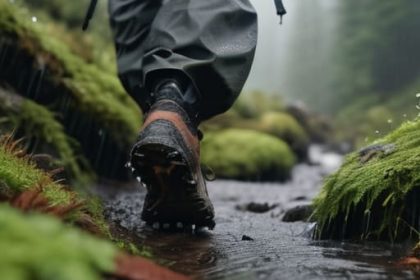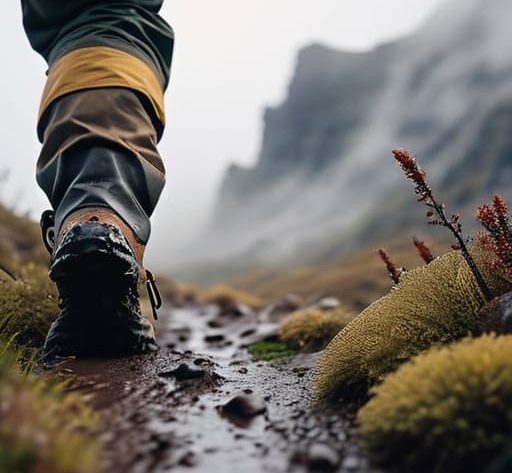
I remember a Tuesday in late November, somewhere on the edge of the Cairngorms, when a client’s “waterproof” gaiters decided they weren’t actually waterproof. We were mid-scramble through a peat hag, the wind was cutting through everything, and every single step he took resulted in a sloshing, freezing squelch inside his boots. He thought he was prepared because he’d bought the most expensive, high-tech pair on the market, but he hadn’t actually considered the reality of moving through saturated heather and loose scree. Most people approach the question of how to choose gaiters by looking at a shiny spec sheet or a brand name, but that’s how you end up with wet feet and a very long, miserable descent.
I’m not here to sell you on the latest lightweight gimmick or a piece of kit just because it has a fancy Gore-Tex label. My goal is to give you the practical, unvarnished truth about what actually keeps the grit and the slush out of your boots when the weather turns. I’ll be looking at weight, durability, and how they actually perform when you’ve been trudging through mud for six hours straight. If I haven’t personally put a pair through a proper beating in the rain, I won’t tell you to buy them.
Table of Contents
Waterproof Gaiters for Hiking or Just Expensive Leg Warmers
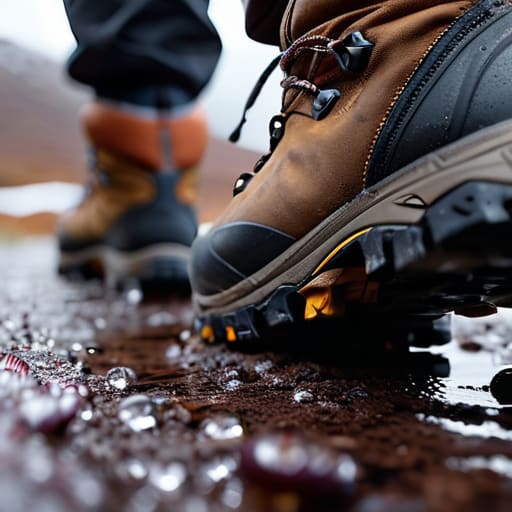
The distinction between a piece of kit that works and one that just sits on your leg is usually found in the membrane. I’ve spent a decade testing various waterproof gaiters for hiking, often in the kind of relentless, driving sleet that turns a standard nylon shell into a sponge within twenty minutes. If the manufacturer claims they are waterproof but doesn’t mention the breathability, be wary. I used a pair of heavy-duty Gore-Tex gaiters for three consecutive days during a wet traverse of the Cairngorms last autumn; they kept the slush out, but if the breathable fabric for gaiters isn’t up to scratch, you’ll end up with swampy feet from your own sweat rather than the rain.
It also comes down to the specific environment. There is a massive functional gap between trekking gaiters vs snow gaiters. If you are scrambling through heather or navigating scree slopes, you need something that prioritizes protecting boots from debris and grit. However, if you’re deep in a snowdrift, a lightweight trekking model will fail you immediately. I’ve seen too many people buy the lightest version available, only to find the material fails the moment it hits a sharp piece of granite.
Finding Breathable Fabric for Gaiters That Wont Swamp You
There is a specific kind of misery that comes from wearing a pair of gaiters that are technically waterproof but have the breathability of a heavy-duty bin liner. I’ve spent enough hours on long-distance traverses in the Cairngorms to know that if the moisture can’t escape your skin, it’ll just find its way in through the top of your boot via sweat. You end up with damp, clammy socks halfway through the afternoon, and once your feet are wet, your ability to judge terrain or keep a steady pace goes straight out the window. When looking for breathable fabric for gaiters, you aren’t just looking for a marketing claim; you’re looking for something that manages the microclimate between your trousers and your boots.
I’ve used the Gore-Tex lined versions of the Altberg gaiters for over five seasons now, mostly during wet, shoulder-season treks through peat hags and heather. They hold up well, but even with high-end membranes, you have to be smart about your pace. If you are working hard on a steep ascent, even the best waterproof gaiters for hiking will struggle to keep up with your body heat. It’s a balance of airflow and protection that most people overlook until they are shivering in a valley after a long, damp day.
Five things to check before you commit your money to a pair
- Look at the closure system, not just the fabric. I’ve spent three hours in a freezing downpour trying to fix a snagged zipper on a pair of lightweight gaiters that looked great in a shop window. If you’re going into scree or heavy heather, go for side-entry laces or heavy-duty Velcro. If it’s too fiddly to operate with cold, numb fingers, it’s useless.
- Check the height against your actual terrain. I’ve carried a pair of short gaiters for two seasons, mostly for summer scrambles, and they’re fine for keeping grit out of my boots. But if you’re planning on walking through deep slush or knee-high bracken, those short ones are just expensive leg warmers. You need the full-length versions that reach well above the ankle to actually stop the ingress.
- Don’t ignore the cuff interface. A gaiter is only as good as the seal it makes with your boot and your trousers. I’ve tested several brands over the last five years in the Lake District, and the best ones have a wide, adjustable top cuff that can sit securely over your gaiter or under your waterproof trousers without creating a funnel for water to run straight down your leg.
- Weigh the “protection vs. weight” trade-off honestly. I use a pair of heavy-duty Cordura gaiters for winter work—they’ve seen more than 40 days of heavy snow and wet grit, and they’re indestructible. For a fast, light summer trek, they’d be overkill and a nuisance. If you’re a weight-conscious hiker, make sure the “waterproof” rating actually justifies the extra grams in your pack.
- Consider the grit factor. If you’re heading into fine, abrasive scree, you need something with a reinforced lower section. I once saw a lightweight nylon pair shredded to ribbons after just three days in a boulder field. If the bottom third of the gaiter isn’t reinforced, it won’t last a single season of serious mountain work.
The Real Job of a Gaiter
A gaiter isn’t there to make you feel prepared; it’s there to stop the specific moment a bit of grit or a splash of slush turns your boots into a heavy, sodden mess that ruins your pace. I’ve spent three days straight in the Cairngorms with nothing but wet socks and a sense of regret because I chose ‘lightweight’ over ‘actually sealed,’ and I promise you, the weight of a decent pair is nothing compared to the weight of wet feet on a descent.
Bridget Halloran
The Final Layer of Defense
At the end of the day, choosing gaiters isn’t about finding the most expensive brand or the one with the flashiest colourway; it’s about matching the kit to the reality of your terrain. You need to weigh up whether you’re fighting off light spray or trying to keep grit and slush from turning your boots into a wet, abrasive mess. If you’re doing high-altitude scree work, prioritize durability and a high cuff; if you’re moving through damp heather, focus on breathability so you aren’t just sweating from the inside out. I’ve spent twenty-two years seeing how a single failure in gear—like a snapped strap or a poorly sealed seam—can turn a standard afternoon into a miserable, cold slog that ruins the morale of an entire group.
Ultimately, gaiters are a small, quiet piece of equipment that does a very loud job when they work correctly. They are part of that vital margin of safety that keeps you focused on the ridge line or the bird circling overhead, rather than the discomfort in your ankles. Don’t let an optimistic decision about your gear lead to a very cold reality on the descent. Invest in something that you know will hold the line, because the mountain doesn’t care how much you spent on your jacket if your feet are soaked through and freezing.
Frequently Asked Questions
How do I know if I actually need full-length gaiters or if short gaiters will stop the grit from getting into my boots?
It comes down to your terrain and how much you’re willing to suffer for a few grams of weight. If you’re just walking well-trodden paths or keeping grit out of your boots on a dry ridge, short gaiters are fine. But if you’re navigating scree slopes, deep slush, or boggy heather, go full-length. I’ve spent three days in the Cairngorms with nothing but short gaiters; by noon, my socks were sodden.
Will these gaiters actually stay up during a long scramble, or are they just going to slip down my calves every time I hit a steep section?
If you’re scrambling, forget anything that relies solely on a single elastic band at the top; those will slip the moment you’re high-stepping over a ledge. I’ve spent three seasons using the Altberg heavy-duty gaiters in the Cairngorms, and the difference is the adjustable hook-and-loop straps. You need at least two points of tension—one at the ankle and one mid-calf—to keep them from migrating down your leg while you’re working for grip.
If I'm wearing heavy-duty waterproof trousers, do I still need gaiters, or am I just adding unnecessary weight to my pack?
If you’re wearing heavy-duty waterproof trousers, you’re halfway there, but you aren’t finished. I’ve spent many a Tuesday in a downpour realizing that even the best hardshell trousers can’t stop water from running down your leg and straight into the top of your boot. Unless your trousers have integrated gaiter cuffs, you still need them. They seal that gap. It’s about preventing that slow, cold soak that ruins a long day.