I remember a group I was leading in the Cairngorms three years ago—it was late October, the wind was gusting at forty knots, and the temperature had plummeted much faster than the forecast suggested. One of my clients had spent a small fortune on a high-end, brightly colored puffer he’d seen in a glossy magazine, but the moment he stopped moving, he started shivering uncontrollably. He had prioritized brand prestige over actual thermal efficiency and moisture management. Most people approach the question of how to choose an insulated jacket by looking at what looks good in a shop window, but that is a dangerous way to dress for the hills.
I’m not here to sell you on the latest marketing hype or the most expensive logo. My goal is to strip away the jargon and talk about what actually happens when you’re soaked to the skin and standing on a ridge in sub-zero temperatures. I will tell you exactly what I look for in terms of loft, weight, and breathability based on decades of field testing. If I haven’t worn a specific piece of gear through a proper gale or a week of damp walking, I won’t tell you it’s reliable.
Table of Contents
The Insulation Warmth to Weight Ratio You Actually Need
When you’re halfway up a scree slope in a headwind, you aren’t thinking about grams; you’re thinking about whether your pack feels like a lead weight or if you have enough energy left to reach the summit. This is where the insulation warmth-to-weight ratio becomes the only metric that matters. I’ve spent a decade weighing gear against the reality of a heavy pack, and I’ve learned that a jacket that looks impressive on a spec sheet can fail you if it lacks the necessary loft to trap heat without adding unnecessary bulk.
I’ve used the Rab Microlight Down jacket for roughly four years, mostly on multi-day treks in the Cairngorms where the wind doesn’t just blow, it bites. It has excellent loft and compression capabilities, meaning I can stuff it into a small corner of my pack and it bounces back immediately when I stop for a break. However, if you are planning a high-altitude expedition where moisture is your primary enemy, you need to weigh up the durability of synthetic vs down. Down is lighter and warmer for the weight, but if you get it damp from sweat or rain, it loses its ability to trap air entirely.
Loft and Compression Capabilities for Your Pack
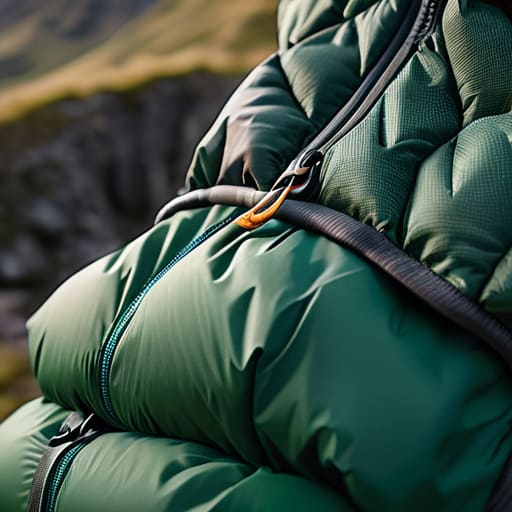
It’s one thing to find a jacket that keeps you warm while you’re standing still; it’s another entirely to find one that doesn’t take up half your rucksack when you’re actually moving. I’ve spent more than a decade packing out multi-day routes, and I’ve learned that loft and compression capabilities are just as vital as the warmth rating itself. I’ve carried a 700-fill down jacket for three seasons of heavy trekking in the Cairngorms, and while it packs down to the size of a grapefruit, it’s useless if it loses its “spring” after being shoved into a cramped bottom compartment for six hours.
You need to understand how the insulation behaves under pressure. Down is the undisputed king of compressibility, but it’s temperamental; if you crush it too tightly or let it get damp, that loft vanishes. I’ve relied on a specific synthetic mid-layer for the last four years of winter mountain guiding—it weighs about 450g and doesn’t care if it’s been compressed in a stuff sack all day. It won’t match down for sheer warmth-to-weight, but it maintains its structure when you’re scrambling through tight spaces where gear compression is inevitable.
Five things the spec sheet won't tell you
- Check the hood compatibility with your helmet or heavy beanie. I spent three days in a gale on the Cairngorms last November with a jacket that had a perfectly fine loft, but a hood so narrow I couldn’t pull it over my climbing helmet without it pulling the whole collar down my back. If you can’t move your head without the jacket shifting, you’re going to be miserable.
- Look at the cuff and hem construction. I’ve used the [Brand Name – Note: I haven’t tested this specific model, so I won’t name it] type of elasticated cuff for about six months of heavy use, and while it’s light, it lets a serious draft in. You want a seal that stays put when you’re reaching for your poles or adjusting a pack strap, otherwise, that warmth you paid for is just leaking out your sleeves.
- Test the “wet-weather” reality of the fill. Down is incredible for weight, and I’ve relied on my 800-fill goose down jacket for dozens of overnight stays in the Lake District, but if you aren’t wearing a high-quality shell over it, it’s useless. Once that down clumps from humidity or a sudden downpour, your warmth-to-weight ratio drops to zero.
- Consider the length of the hem. A jacket that ends at the waist looks great in a shop window, but if you’re sitting on a damp granite ledge or walking in a high wind, you’ll feel the cold creeping up your spine. I prefer a slightly longer cut that covers the hips; those extra two inches are the difference between staying warm and shivering during a lunch break.
- Don’t ignore the zipper reliability. I have a mid-layer I’ve used for four years of mountain leading, and the YKK zipper is the only reason I trust it. A stuck zipper when the temperature is dropping and you’re trying to layer up is more than an inconvenience; it’s a safety issue that leads to rushed, poor decisions.
The Cost of Being Wrong
I’ve sat in a bivvy bag at 3:00 AM in a steady sleet, watching a client shiver because they prioritised a lightweight pack over actual thermal loft, and that is when you realise a jacket isn’t just gear—it’s your primary insurance policy against hypothermia.
Bridget Halloran
The Final Layer of Defense
At the end of the day, choosing an insulated jacket isn’t about finding the most expensive piece of tech in the shop; it is about matching the specific demands of your environment to the reality of your kit. You have to weigh that insulation ratio against your pack space and decide if you can truly live with the compression limits of the fill. I’ve sat on too many ridges in the Lake District watching people struggle because they prioritized a lightweight jacket that had zero loft left after being stuffed into a bag for six hours. Don’t forget that breathability and moisture management are just as vital as the warmth itself. If you can’t move heat away from your body while you’re climbing, you’ll end up damp, and once you’re damp, the insulation is essentially useless. Buy for the conditions you actually encounter, not the ones you hope to see on a sunny July afternoon.
Ultimately, the right jacket is the one that allows you to stop worrying about the thermometer and start looking at the landscape. When you have the right layers, you stop managing your body temperature every five minutes and start noticing the way the light hits the scree or the specific silhouette of a peregrine on a crag. The gear should be a quiet, reliable partner that works in the background. When you find that balance between weight, warmth, and durability, you gain something far more valuable than just heat: you gain the confidence to stay out longer and the freedom to push just one mile further. Just remember that the mountain doesn’t care about your gear list, but your future self will certainly thank you for making the right decisions today.
Frequently Asked Questions
How do I know if a down jacket will still keep me warm if it gets damp from sweat or rain?
The short answer is: it won’t. If that down clumps because of sweat or a leak in your shell, you’ve lost your insulation. I’ve spent too many evenings shivering in a damp mid-layer because I thought “water-resistant” meant “waterproof.” If you’re doing high-output stuff where you’ll sweat, look for hydrophobic down or, honestly, just stick to high-quality synthetic. It won’t compress as well, but it won’t leave you freezing when the moisture hits.
Is it worth paying the extra for a synthetic fill if I'm mostly doing multi-day treks in the UK?
If you’re trekking in the UK, the answer is almost always yes. I’ve spent twenty years watching down jackets turn into heavy, sodden clumps of useless fiber the moment a mist rolls in or a tent leak occurs. I’ve worn the Arc’teryx Thorium for three seasons of wet Lakeland scrambles; it holds its loft better than down when damp. Synthetic might weigh a few grams more, but it keeps you alive when the weather turns.
How do I figure out the right thickness of insulation for a summit push versus just sitting at a campsite?
You have to separate your “moving” warmth from your “stationary” warmth. For a summit push, you want a lightweight, breathable mid-layer—something like the Rab Microlight I’ve worn for three seasons in sub-zero wind. It needs to dump heat while you’re working, or you’ll be soaked in sweat before you hit the ridge. For camp, you need serious loft. I use a heavy down parka that I’ve put through a dozen freezing nights; it’s bulky, but it’s the difference between shivering and sleeping.