I’ve spent twenty-two years watching people treat their boots like disposable fashion statements rather than the vital pieces of survival equipment they actually are. Most of the advice you’ll find online about how to look after footwear is nonsense—expensive, specialized cleaning kits or “miracle” sprays that do nothing more than add a layer of silicone over a dying membrane. I once had a client in the Cairngorms whose soles delaminated mid-scramble because he’d been storing his boots near a radiator to “dry them out” after a wet trek. That’s not maintenance; that’s slow-motion sabotage.
I’m not here to sell you a subscription to a cleaning brand or peddle some over-engineered gear ritual. Instead, I’m going to tell you how I actually maintain my own kit after three hundred miles of grit, peat, and horizontal rain. I’ll focus on the practical, slightly unglamorous realities of cleaning, drying, and conditioning, based on decades of actual use in the field. If a method hasn’t survived a season of heavy use in the mountains, I won’t tell you to use it.
Table of Contents
The Reality of Shoe Leather Conditioning in Harsh Climates
If you’re spending ten hours a day walking through peat hags or boggy valleys, your boots aren’t just footwear; they are a barrier between you and hypothermia. When I was working as a ranger, I saw too many people treat their leather like it was indestructible, only to have the seams split or the hide crack mid-traverse. Shoe leather conditioning isn’t some luxury for people with clean hobby gear; it is a functional necessity. I’ve used the same tin of heavy-duty wax on my leather boots for the last six seasons, even through the worst of the Scottish winter slush, and the difference in how the hide holds up is night and day.
The real mistake happens when you let the salt and grit sit in the creases after a long day. If you don’t strip that away and re-apply a conditioner, the leather becomes brittle. It’s a slow process of extending shoe lifespan through small, boring habits. I always tell my groups: if you leave your boots to dry too close to a fire or a radiator after a soak, you’ve already lost them. You need a slow, natural dry and a consistent application of oils to keep that material supple enough to move with your foot rather than fighting against it.
Suede Cleaning Techniques for When the Forecast Fails
If you’re running a lightweight suede boot, you’ve likely already accepted the trade-off: better breathability for a much higher maintenance requirement. I’ve spent the last four seasons using a pair of mid-weight suede mountain boots, and I can tell you that once that nap gets matted with dried peat or salt, the material loses its ability to shed water. When the forecast fails and you find yourself trudging through a saturated moorland, don’t reach for a heavy chemical cleaner. Instead, wait for the boots to dry completely—never clean them while they’re damp—and use a stiff-bristled crepe brush to lift the dirt.
For those deeper stains, I’ve found that a dedicated suede eraser is worth its weight in gold, but you have to be gentle. If you scrub too hard, you’re not just cleaning; you’re permanently altering the texture of the hide. I once saw a novice try to scrub a mud stain out of a technical suede boot with a kitchen sponge, and they effectively sanded the protective finish right off. Using specific suede cleaning techniques like light brushing and targeted erasing is the only way to ensure you are actually extending shoe lifespan rather than shortening it through sheer aggression.
The Maintenance Habits That Actually Prevent a Mid-Ridge Breakdown
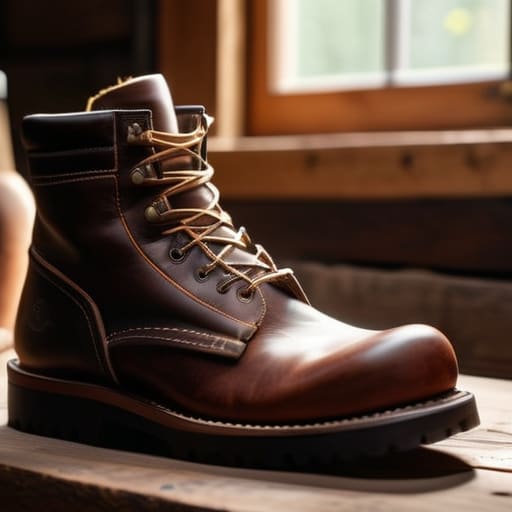
- Stop the grit from eating your laces and eyelets. I’ve spent too many evenings after a long day in the Cairngorms picking tiny shards of quartz out of the seams of my boots. If you don’t use a soft brush to clear the fine silt out of the stitching every single time you get home, that grit acts like sandpaper, grinding down the structural integrity of the boot from the inside out.
- Let them breathe, but not near the fire. I’ve seen people try to “speed dry” their boots by shoving them next to a camping stove or a radiator after a soaking walk. Don’t do it. It makes the leather brittle and can actually crack the glue in the midsole. I’ve used my current pair of Meindls through three seasons of heavy mud and constant rain, and I always leave them to dry naturally in a cool, shaded spot away from direct heat.
- Manage your moisture from the inside. A lot of people think boot care is only about the exterior, but the salt from your sweat is what kills the inner lining. I make it a point to pull the insoles out every single night after a trek. If you leave damp insoles inside a closed boot, you’re creating a petri dish that breaks down the internal padding and makes the whole boot smell like a wet dog within a month.
- Don’t wait for a leak to check your waterproofing. I carry a small tin of wax or a spray-on treatment in my kit bag, but I only apply it after a thorough cleaning. If you just layer waterproofing over a layer of old dirt and dried mud, you’re essentially sealing the filth in, which prevents the treatment from actually bonding to the leather. I check my waterproof rating every time I start a new multi-day route.
- Respect the midsole fatigue. You can clean, wax, and polish until your hands are raw, but if the foam or rubber is compressing, the boot is done. I’ve walked groups where someone insisted their boots were “fine” because they looked clean, only for the midsole to delaminate halfway through a descent. If you notice the cushioning feels uneven or “dead” after a particularly heavy trek, it’s time to stop treating them as reliable gear and start looking for replacements.
The Cost of Neglect
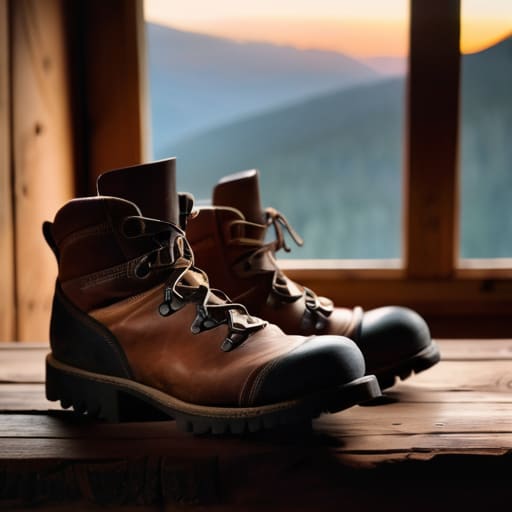
I’ve spent too many evenings in mountain bivouacs watching people try to walk off a ridge in boots that had simply given up because they hadn’t been cleaned of grit or conditioned after a wet week; you can spend a few quid on wax and a brush now, or you can spend a very expensive, very cold night explaining to a rescue team why your soles are delaminating.
Bridget Halloran
The Cost of Neglect
At the end of the day, looking after your boots isn’t about being precious or following a ritual for the sake of it; it is about preventing a catastrophic failure when you are five miles from the trailhead and the temperature is dropping. Whether you are scrubbing grit out of suede after a sodden scramble or ensuring your leather doesn’t crack from salt exposure, you are essentially managing your safety margins. I have seen too many people treat their footwear as an afterthought, only to find themselves dealing with a delaminating sole or a soaked foot exactly when the wind picks up on a ridge. If you take ten minutes to clean and condition them after a heavy trip, you aren’t just extending the life of the kit—you are ensuring the gear remains predictable when the weather turns.
There is a certain quiet satisfaction in pulling a pair of well-maintained boots out of the rack, knowing they have seen the same horizontal rain and scree slopes as you have and are ready to go again. Good gear is a partnership, and that partnership requires a bit of respect. Don’t wait for a hole to appear in the midsole before you start caring about the maintenance. Treat your kit with the same measured attention you give to your navigation and your layers, and it will likely carry you through many more seasons. The mountains don’t care about your gear, but your ability to navigate them certainly does.
Frequently Asked Questions
If I’m doing a multi-day trek in constant rain, how often should I actually be applying waterproofing treatment to prevent the leather from becoming waterlogged and heavy?
If you’re facing a week of constant rain, don’t wait for the leather to feel like a soaked sponge. I’ve used my old leather boots through three consecutive days of Atlantic rain on the Skye Trail, and the moment they started feeling heavy and “dead,” I knew the saturation had reached the core. You shouldn’t re-apply mid-trek—that’s a mess—but you must treat them thoroughly before you leave. If they’re already waterlogged, dry them slowly away from a fire, then re-condition immediately.
At what point does the wear on the midsole mean the boot is actually dangerous for technical terrain, rather than just being "broken in"?
It’s not about the creases in the leather; it’s about the compression of the foam. I’ve used my current pair of mid-weight boots for three seasons of heavy scrambling in the Cairngorms, and they still feel responsive. If you notice the midsole feels “dead”—meaning it doesn’t spring back when you step, or you’re feeling every jagged stone through the sole—it’s done. Once that structural integrity goes, your stability goes with it. On a technical ridge, that’s how ankles snap.
Is there a real difference between using a dedicated leather conditioner and just letting them air dry, or am I wasting time and weight in my pack?
It isn’t a waste of weight, but it isn’t magic either. I’ve used Nikwax leather conditioner on my heavy boots through three seasons of Lakeland winters, and the difference is in the suppleness. Air drying is fine for a quick overnight stint, but if you let the moisture pull the natural oils out every time, the leather will eventually crack at the flex points. Once that happens, the boot is dead. Use the conditioner; keep the leather moving.