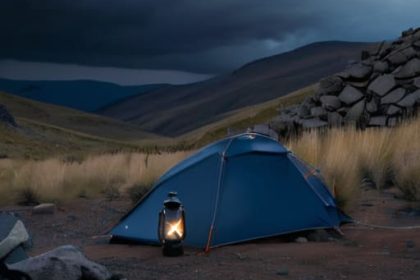
I once spent three days in the Cairngorms during a late September freeze, watching a group of well-meaning hikers slowly lose their morale because they had focused entirely on “gourmet” dehydrated meals that required boiling more water than they actually had. They had spent a fortune on fancy spices and lightweight pouches, but they hadn’t actually thought about how to plan camping food for when the wind is gusting at forty knots and your fingers are too numb to operate a small stove valve. Most advice out there treats outdoor eating like a culinary hobby, but when the temperature drops and the light fails, food isn’t a luxury; it’s functional fuel required to keep your internal engine from stalling.
I’m not going to tell you how to make a five-star risotto in a tent. Instead, I’m going to show you how to calculate calorie density against pack weight and how to manage your fuel supplies so you aren’t left shivering in the dark. I’ll give you the honest truth about what actually works when you’re exhausted and cold, based on twenty years of seeing what people actually eat—and what they regret packing—on the hills.
Table of Contents
Backpacking Nutrition Guide Calorie Density vs Pack Weight
The math of a multi-day trek is simple, but the execution is where people usually stumble. I’ve seen too many hikers arrive at a high-altitude camp by 7:00 PM, shivering and exhausted, only to realize they’ve spent half their energy just carrying a heavy bag of dried pasta and heavy tins. When you are calculating your backpacking nutrition guide, you have to stop thinking about volume and start thinking about energy per gram. If a food item doesn’t provide a significant caloric return for its weight, it’s just dead weight in your pack.
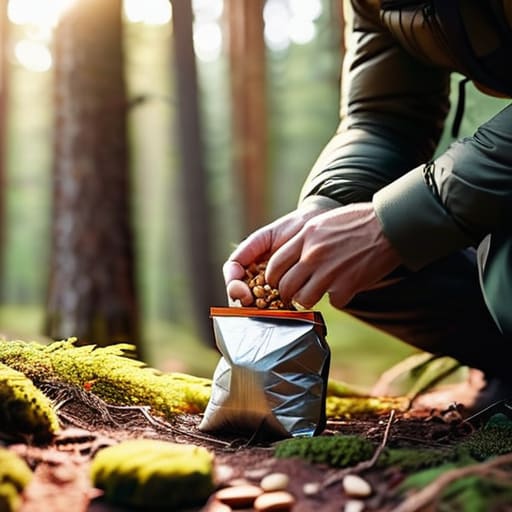
I’ve spent the last four seasons testing various high calorie trail snacks to find the sweet spot between weight and satiety. For me, that means leaning heavily into fats—nuts, seeds, and hard cheeses—rather than bulky carbohydrates. I recently finished a six-day traverse in the Cairngorms in near-constant sleet, and my weight-to-calorie ratio was the only thing that kept my core temperature stable. If you are looking at meal prep for hiking trips, prioritize items that offer at least 4 to 5 calories per gram. If it’s heavy and low-energy, leave it in the pantry.
Meal Prep for Hiking Trips Avoiding the Empty Stomach
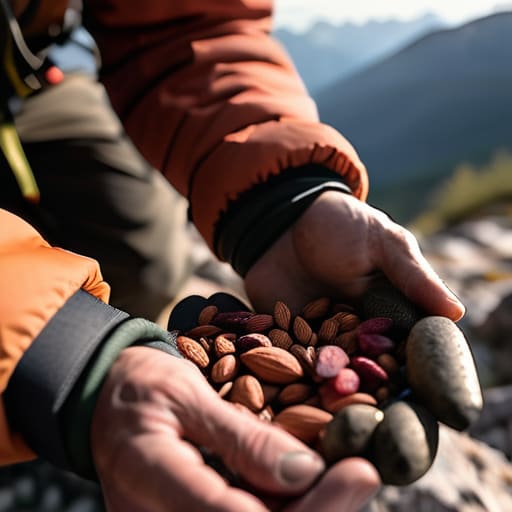
The mistake I see most often isn’t a lack of food; it’s a lack of timing. People tend to eat when they feel hungry, but by the time that hunger pang hits, your blood sugar has already dipped and your cognitive function is starting to slip. If you’re navigating a technical ridge or a steep descent in fading light, that’s when mistakes happen. Effective meal prep for hiking trips means eating on a schedule, not a whim. I aim for small, frequent hits of energy—a handful of nuts or a bit of dried fruit every hour—to keep the engine running steadily rather than waiting for a massive mid-day crash.
When it comes to your main evening meal, I’ve spent the last three seasons refining my approach to dehydrated meal preparation. I don’t rely solely on the pre-packaged pouches you buy in shops; they are often too high in sodium and too low in actual substance. Instead, I spend an evening at home adding my own freeze-dried vegetables or extra protein powder to lightweight bags. It adds negligible weight but ensures you aren’t just eating salt and starch. If you haven’t tested your evening meal on a cold, windy night at home first, don’t expect it to be the highlight of your trip.
Five Hard Lessons from the Trail: Managing Fuel and Appetite
- Don’t trust your “resting” appetite. When I’m out on a three-day ridge walk in November, my body wants to burn through fuel like a furnace, but the cold often kills my desire to eat. I’ve learned to eat small, frequent amounts every two hours regardless of whether I feel hungry, because once that shivering starts, you’re already behind the curve.
- Test your stove and fuel combinations before you leave the house. I’ve spent many an evening in a damp tent trying to coax a temperamental burner into life because I assumed a specific gas canister would work in the damp. If you haven’t boiled water with that specific setup in sub-zero or high-wind conditions, you haven’t actually tested your kitchen.
- Pack “emergency” calories that require zero prep. I always keep a handful of salted nuts or a high-fat energy bar in an outer pocket of my pack. If the weather turns and you’re stuck navigating a descent in the dark, you don’t want to be fumbling with a pot and a gas canister just to get a bit of glucose into your system.
- Prioritize salt and electrolytes, especially when it’s raining. People often focus on the big calorie hits but forget that salt loss during heavy exertion—even in the cold—can lead to cramping and mental fatigue. I’ve used electrolyte tablets in my water for the last six seasons on long-distance treks, and they’ve saved me from that mid-afternoon mental fog that leads to poor navigation.
- Account for the “wet factor” in your meal planning. If you’re expecting horizontal rain—and let’s be honest, if you’re in the hills, you usually are—don’t plan a meal that requires a complex, multi-step assembly process. If your hands are cold and your fingers are numb, you’ll struggle with small packets and delicate ingredients. Stick to things that are robust and easy to manage with thick gloves on.
The High Cost of Low Calories
I’ve sat in damp tents at 3:00 AM watching people try to shiver themselves warm because they thought they could get away with a handful of dried fruit and a coffee for dinner; you can’t negotiate with your core temperature once it starts to drop, and you certainly can’t do it on an empty stomach.
Bridget Halloran
The Final Checklist
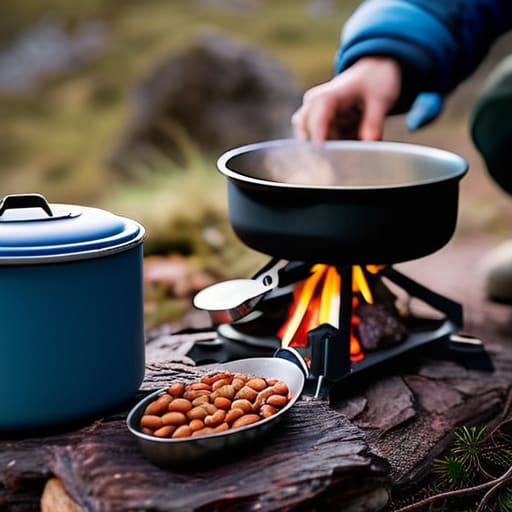
At the end of the day, planning your food isn’t about being a gourmet chef in a tent; it is about managing your energy reserves so you don’t become a liability to yourself or your group. You need to balance that calorie density against your pack weight, ensure your meal prep actually accounts for the energy you’ll burn on the ascent, and never, ever underestimate how much faster you will burn through fuel when the wind picks up and the temperature drops. If you’ve focused on high-quality fats, manageable portions, and a realistic eating schedule, you’ve already done the hard work. Just remember: a hungry hiker is a decision-making failure waiting to happen.
I have sat on many a ridge, watching the light fail and the clouds roll in, knowing that the difference between a manageable evening and a genuine emergency often comes down to how much fuel is left in the stove and how much energy is left in the body. The mountains don’t care about your appetite, but they certainly respond to your preparation. Plan your meals with the same meticulous detail you use to check your map or your weather forecast. When you get it right, the food isn’t just fuel—it is the quiet, warm reward that makes the long, hard miles worth every single step.
Frequently Asked Questions
How do I adjust my food intake when a planned day turns into an unplanned overnight due to weather or injury?
When the weather turns or someone goes down, your priority shifts from performance to survival. You stop eating for pleasure and start eating for heat. I’ve seen people freeze because they ran out of fuel or calories trying to “save” food for later. If you’re stuck, eat your most calorie-dense items immediately. Your body needs that fuel to maintain core temperature. Don’t ration; if you have the energy, use it to stay warm.
What is the best way to manage fuel consumption when I'm cooking in high winds or sub-zero temperatures?
If you’re trying to boil water in a gale, you’re fighting a losing battle. I’ve spent many a night in the Cairngorms trying to coax a flame to life while the wind tries to strip the heat right off the pot. Use a windscreen, but don’t rely on it alone; keep your fuel canister inside your sleeping bag or against your body before you light up. If it’s sub-zero, you need a liquid fuel stove. I’ve used my MSR WhisperLite in -15°C for twelve seasons straight; canister gas just loses its pressure when the mercury drops, and you’ll end up eating cold, crunchy oats while shivering.
Are there specific foods that are better for maintaining steady energy levels versus those that cause a sugar crash on a long ridge walk?
Avoid the temptation to rely on glucose gels or chocolate bars for your main fuel. They’ll give you a ten-minute spike, but the subsequent crash on a steep ascent is brutal. I’ve seen too many people hit a wall halfway up a ridge because they lived on sweets. Stick to complex carbohydrates and fats—oatcakes with peanut butter, nuts, or even dried lentils. You want slow-burning fuel that keeps your blood sugar level while the wind is biting.