I was standing on a ridge in the Cairngorms three years ago, shivering in a damp fleece and staring at a patch of pine that looked exactly like every other patch of pine, wondering why I’d spent four hours trekking through a gale just to see nothing. Most people think learning how to spot owls in the wild requires a thousand-pound spotting scope or some high-tech thermal imaging, but that’s just expensive nonsense. If you’re looking for a way to turn a silent forest into a cinematic moment, you don’t need more gear; you need to understand the specific, often frustrating way these birds actually use the landscape when the light starts to fail.
I’m not here to sell you on the magic of the hunt or give you a list of gear I haven’t actually field-tested in a downpour. Instead, I’m going to tell you what I’ve learned from twenty years of watching raptor nests and tracking movements through the dark. We’ll talk about the actual indicators—the subtle shifts in sound and the specific times of day that matter—and I’ll tell you exactly which optics I’ve relied on for over five hundred days of heavy use. No fluff, just the practicalities of seeing something when everyone else is just looking at shadows.
Owl Habitat Identification Reading the Landscape Before Dark
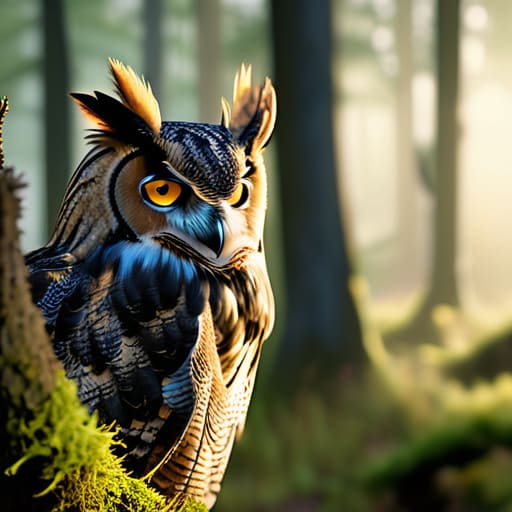
If you’re standing in the middle of a field waiting for something to fly past, you’re wasting your time. Effective owl habitat identification starts with understanding that these birds aren’t just sitting in trees; they are positioned according to the physics of their next meal. I’ve spent years tracking raptor movements, and I’ve learned that you have to look for the “edge effect.” Owls love the boundary where dense cover meets open hunting ground—the line where a woodland meets a meadow or a hedgerow skirts a marsh. If you find a patch of old-growth timber with a clear view of a rodent-heavy clearing, you’re in the right place.
Don’t expect to see much if you’re just wandering aimlessly. You need to study owl behavior and hunting patterns to predict where they’ll be perched. During the twilight transition, look for the “sentinel” trees—the tallest, most isolated branches on the edge of a wood that offer a wide field of view. I usually look for these spots about twenty minutes before the light fails completely. If the wind is gusting over 15mph, they’ll likely tuck deeper into the canopy to conserve energy, so watch the weather as much as the trees.
Identifying Owl Calls and Sounds When the Wind Rises
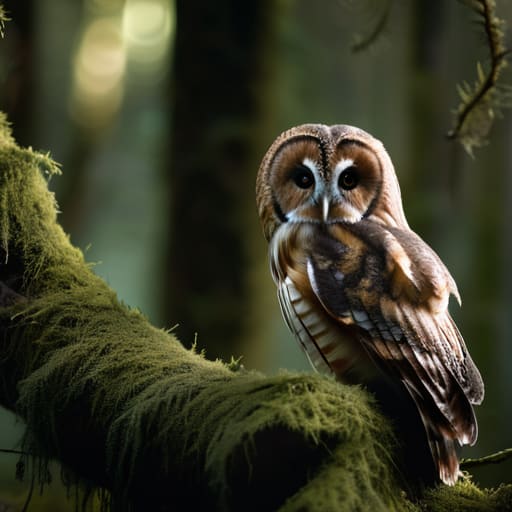
Once the wind starts whistling through the scree or rattling the canopy, your ears become your most important tool, but they’re also the first thing to fail you. When the gusts pick up, the subtle, rhythmic hooting of a Tawny owl gets swallowed by the white noise of the trees. I’ve spent many a late evening sitting in a bivvy bag, waiting for a break in the wind just to confirm a sound. You have to learn to listen for the cadence, not just the volume. A sudden silence in the local insect chorus can sometimes be more telling than a loud call, as it signals a predator is actively on the move.
When you are focusing on identifying owl calls and sounds in high-wind conditions, you aren’t just listening for a single note; you are listening for the way the sound breaks. A Great Horned Owl’s deep resonance carries differently through a storm than a smaller species. I’ve found that if you can’t distinguish the call from the wind, you’re likely fighting a losing battle with the weather. At that point, it’s better to head back down the ridge than to stand there guessing and missing the actual owl behavior and hunting patterns happening just out of sight.
Five ways to actually see something besides shadows
- Stop moving when you hear a call. I’ve spent many a twilight standing perfectly still because the moment you start shuffling your boots over dry bracken or loose scree, you’ve become a predator in their eyes, and they’ll vanish into the canopy before you can even reach for your glass.
- Invest in glass that handles low light, not just weight. I’ve used the Nikon Monarch series for about four years now, mostly in the damp, grey light of the Scottish Highlands, and while they aren’t the lightest in my pack, the brightness in the lens is the difference between seeing a shape and seeing a face.
- Watch the “edge” habitats. Don’t just stare into the thickest part of the woods; look where the woodland meets the field or the marsh. That transition zone is where the hunting happens, and it’s much easier to spot a silhouette against a clearing than it is to find one tucked into a dense thicket.
- Learn to read the wind direction. If the wind is hitting you in the face, you’re in luck; the owl won’t smell you coming, and you’ll have a much better chance of spotting them before they sense your presence and decide to relocate.
- Use a headlamp sparingly and only when you have to. If you’re caught in the dark and need to navigate, use a red light filter. A bright white beam is a dinner bell for every nocturnal creature in the area, and it will flush an owl out of its perch and away from you in seconds.
The discipline of the wait
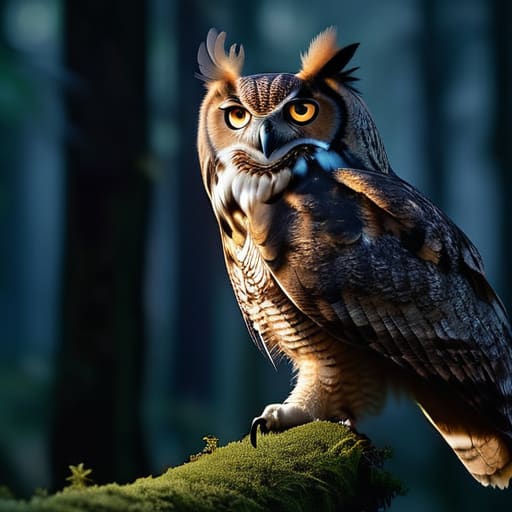
At the end of the day, spotting an owl isn’t about having the most expensive thermal optics or the flashiest headlamp; it’s about reading the environment before you even step off the trail. You have to understand the topography, listen for that specific, guttural call through the wind, and, most importantly, know when to stop moving. If you’re constantly shuffling your feet or adjusting your pack, you’ve already lost the window. It comes down to identifying the right habitat, recognizing the sound patterns in shifting weather, and having the patience to sit still while the light fails.
There is a specific kind of quiet that settles over the hills just before dusk, a moment where the world feels like it’s holding its breath. Most people miss it because they are too focused on the destination or the view, but if you are willing to endure the damp chill and the long, slow periods of nothing happening, the reward is worth it. Seeing a Tawny owl silhouette against a fading sky isn’t just a sighting; it’s a reminder that we are guests in a much older, much more complex system. Just remember to watch the clock and respect the darkness—the hills don’t care about your itinerary, and neither do the owls.
When the wind starts whipping through the canopy, your ears become your most reliable tool, but even the best ears can struggle when you’re trying to distinguish a Tawny’s rhythmic hoot from the general background noise of a storm. I’ve spent years trying to map these sounds against the terrain, and I’ve found that having a reliable way to cross-reference what you’re hearing can save you hours of aimless wandering in the dark. If you find yourself needing to verify a specific vocalization or connect with others who are out in the field at odd hours, you might find some useful perspectives by looking for sextreffen online to see how different people are interpreting the landscape. It’s about building a mental library of those sounds so that when the light fails, you aren’t just guessing, you’re actually listening.