I’ve spent twenty-two years watching people make the mistake of thinking a head torch is just about chasing the highest lumen count on a shiny spec sheet. I once spent three hours helping a group navigate a descent in the Cairngorms after a sudden mist rolled in, only to realize their “professional grade” lights were useless because they couldn’t cut through the heavy moisture, leaving them squinting at a wall of white. When you are learning how to choose a head torch, you need to stop looking at the marketing hype and start thinking about how that beam actually behaves when the visibility drops to five metres and your hands are too cold to fiddle with tiny buttons.
I’m not here to repeat a press release or tell you that the most expensive model is the best one. My goal is to strip away the jargon and tell you what actually matters when you’re tired, wet, and losing daylight. I’ll be looking at weight, battery reliability in the freezing cold, and how easy it is to operate when you’re wearing gloves. This is about practical, field-tested reality, not what looks good in a shop window.
Table of Contents
Lumens vs Candela Explained Seeing the Path Not Just the Glare

Most people see a high lumen number on a box and think they’ve found a winner. They haven’t. Lumens measure the total amount of light being thrown out, but they don’t tell you where that light is actually going. I’ve seen plenty of hikers get blinded by a massive flood of light that hits the mist in front of them like a wall, leaving the actual path at their feet in total darkness. That is where you need to understand candela vs lumens explained; candela is what tells you how much that light is concentrated into a tight, piercing beam.
If you are navigating a technical scramble or a narrow sheep track, you don’t want a wide, blurry wash of light. You want a decent headlamp beam pattern that focuses the intensity where you’re looking. I’ve used the Petzl Swift series for three seasons of night traverses in the Cairngorms, and while the lumens are decent for general movement, it’s the ability to punch a beam through a heavy drizzle that actually matters. If the light just scatters, you aren’t seeing the terrain; you’re just making the fog glow.
The Ipx Waterproof Rating That Survives a Sudden Downpour
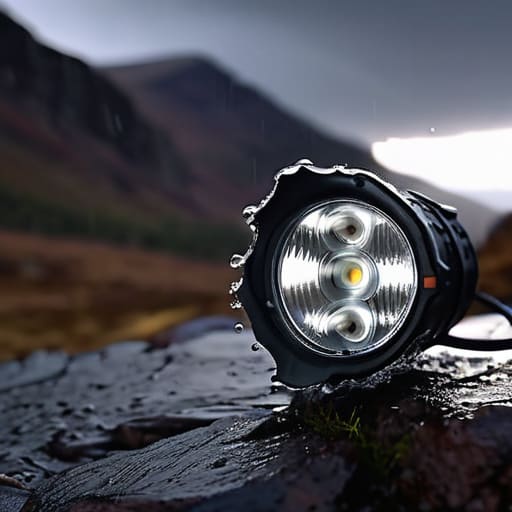
Don’t let a marketing brochure fool you into thinking “water-resistant” means you can walk through a cloudburst. I’ve been caught in sudden, horizontal sleet on a ridge in the Cairngorms where the wind was doing most of the work, and that is when a cheap seal fails. You need to look specifically at the IPX waterproof rating; for anything beyond a casual evening stroll, I won’t even look at a lamp that isn’t rated at least IPX4, though I personally aim for IPX7.
I’ve used my Petzl Actik Core in heavy, driving rain for three seasons now, and the seal has held every single time. If the rating is too low, moisture will seep into the battery compartment, and you’ll find yourself fumbling with a dead light just as the light is failing. It isn’t just about the rain, either; it’s about the condensation that builds up when you move from a damp, cold trail into a warm tent. You want a unit that can handle the constant cycle of damp and dry without the electronics giving up on you when you’re miles from the car.
Five things that actually matter when the light fails
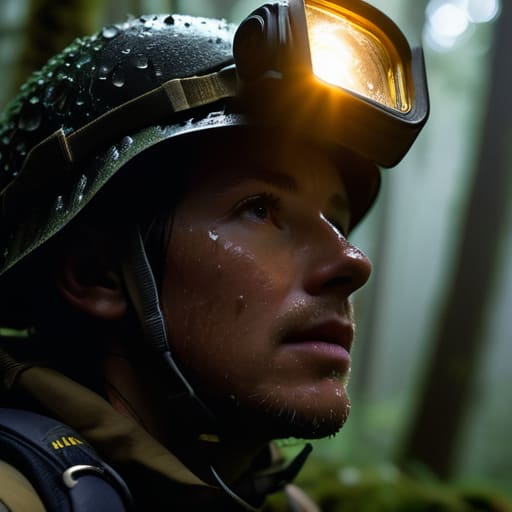
- Stop obsessing over maximum brightness and look at the beam pattern. I’ve used the Petzl Swift RL for about three years now, mostly on night traverses in the Cairngorms, and the way it shifts from a wide flood to a focused spot is what actually keeps you from tripping over a root. You don’t need a searchlight; you need to see the texture of the ground right in front of your boots.
- Check the weight and the headband tension. I once spent a four-day trek in the Lake District with a cheap unit that sat too heavy on my forehead; by day two, I had a tension headache that made the scenery irrelevant. A good torch should feel like it’s part of your skull, not a heavy plastic brick pulling your face down.
- Battery management isn’t just about capacity; it’s about how you access it. I’ve been caught out by head torches that require a specific, tiny screwdriver just to swap a cell when your hands are numb from the cold. If you can’t change the batteries or plug in a power bank with gloves on, it’s not the right kit for serious use.
- Look for a red light mode that doesn’t ruin your night vision. I use the red setting on my Black Diamond headlamp constantly when I’m checking my map or looking up at a ridge to see if a Golden Eagle is perched on a crag. It keeps your pupils dilated so you aren’t suddenly blinded when you switch back to white light.
- Don’t trust a “water-resistant” label if you’re heading into real weather. I’ve seen plenty of people get stuck in a darkening glen because their “splash-proof” torch died the moment a proper Atlantic front moved in. If you aren’t planning to be out in horizontal rain, don’t bother with anything less than a solid IPX4 rating.
The mistake of chasing numbers
Don’t get blinded by a massive lumen count on a spec sheet; I’ve seen plenty of high-output lights that turn a heavy mist into a white wall of glare, leaving you completely blind to the step right in front of you. You need light that cuts through the damp, not just light that looks good in a marketing brochure.
Bridget Halloran
Don't leave your visibility to chance
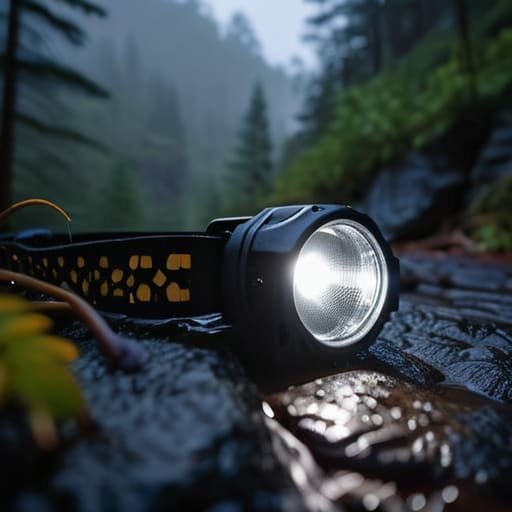
At the end of the day, picking a head torch isn’t about finding the brightest gadget on a spec sheet; it’s about ensuring you aren’t left fumbling in the dark when the weather turns or the daylight fails. You need to balance enough lumens to actually see the terrain with a beam that has the candela to cut through a thick mist, all while trusting that the IP rating will hold up when you’re caught in a horizontal downpour. I’ve seen too many people realize their light is inadequate only when they are halfway down a technical descent in the dark. Check the battery life, verify the weight, and for heaven’s sake, always carry a spare set of batteries or a secondary light source in your kit. It is the one optimistic decision you should never make.
The mountains don’t care how much you spent on your kit, but they certainly respect the preparation that goes into it. A reliable light is more than just a convenience; it is a fundamental part of your safety margin, providing the clarity you need to make smart decisions when you’re tired and the shadows are closing in. When you have the right gear, you can focus on the ridge ahead or the silhouette of a peregrine against the dusk, rather than worrying about the beam failing. Gear up with intention, respect the fading light, and always know when it is time to turn back.
Frequently Asked Questions
How much weight am I actually going to feel on my forehead after four hours of scrambling in the dark?
It’s a deceptive question. In the shop, a 200g difference feels like nothing. After four hours of navigating a technical scramble in a headwind, that extra weight feels like a physical pressure pushing your eyes downward. I’ve spent three days straight on the Cairngorms with a heavy, oversized unit; by hour six, my neck was screaming. Look for something under 100g if you’re moving fast. If it feels “sturdy” now, it’ll feel like a brick by midnight.
If I’m planning a multi-day trek, do I need to carry spare lithium batteries or just rely on a USB rechargeable model?
If you’re doing a multi-day trek, don’t rely solely on a USB model unless you’ve factored in the weight of a heavy power bank. I’ve spent fourteen days in the Cairngorms with nothing but a rechargeable unit and a dying bank; it’s a stressful way to finish a trip. I prefer a hybrid setup: a reliable rechargeable for daily use, but always three lithium AA spares tucked in a dry bag. They don’t care about the cold like lithium-ion does.
Is a red light mode actually useful for reading a map, or is it just a gimmick that wastes battery?
It’s not a gimmick, but it isn’t a magic wand either. I’ve used the red mode on my Petzl Swift RL for three seasons of night navigation, and it’s essential for preserving your night vision. If you use a white beam to read a map, your pupils contract, and you’re effectively blind the moment you look back up at the trail. Red light lets you see the paper without the “white-out” effect. It’s a tool for transition, not for seeing the path ahead.