I’ve spent enough time on the hills to know that most “complete guide to lightweight backpacking” articles are just glorified shopping lists designed to make you click on expensive carbon-fiber everything. They promise you’ll feel like you’re floating, but they rarely mention that shaving fifty grams off your stove won’t matter much when you’re shivering in a sleet storm because you sacrificed a decent mid-layer to save weight. I’ve seen too many people arrive at a ridge with a pack that weighs nothing, only to realize they’ve brought none of the things that actually keep you alive when the weather turns.
I’m not here to sell you on the latest gear hype or tell you that you need a titanium spork to enjoy the mountains. What I am going to give you is a practical, no-nonsense look at how to trim the fat without cutting into your safety margin. I’ll tell you exactly how much I’ve used certain pieces, the specific conditions they’ve survived, and—more importantly—what you can actually afford to leave behind. This isn’t about being a minimalist for the sake of a photo; it’s about making smart decisions before you even step out the front door.
Table of Contents
Gram Counting for Hikers When Every Ounce Becomes a Risk
I’ve spent twenty-two years watching people’s gait change as the miles add up. There is a specific, heavy-footed shuffle that sets in around mile fifteen when a pack is five kilos heavier than it needs to be. It isn’t just about tired muscles; it’s about fatigue-induced errors. When you are exhausted, you stop checking the weather, you miss the turn-in on a ridge, and you make those one optimistic decisions that lead to a night spent shivering in a survival bag. This is why gram counting for hikers isn’t about being precious or chasing a trend; it is about managing your physical capacity to handle an emergency.
When I am planning a multi-day route, I look at my kit through the lens of minimizing pack weight without sacrificing the redundancy needed for real mountain conditions. I don’t care about a piece of gear if it’s “lightweight” but fails when the wind picks up to forty knots. I’ve used my current titanium stove every week for the last three seasons in everything from summer heat to freezing sleet, and its weight-to-reliability ratio is the only thing I care about. Every gram you shave off your base weight is a bit of extra energy you keep in reserve for when the terrain actually gets difficult.
Ultralight Gear Selection More Than Just a Press Release
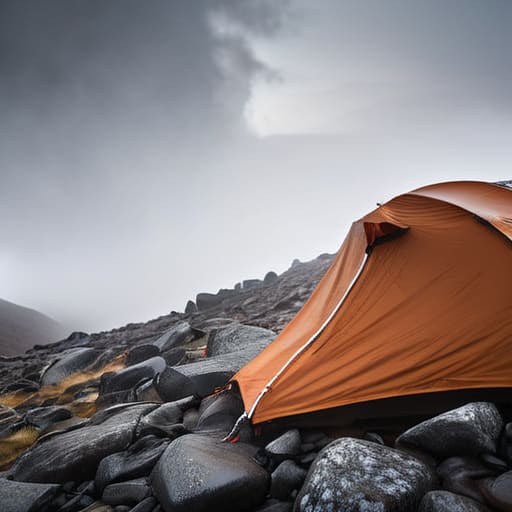
When you start looking at ultralight gear selection, you’ll run into a lot of marketing fluff that claims a piece of kit will change your life. I don’t care about the marketing; I care about how it performs when the wind is hitting sixty knots on a ridge in the Cairngorms. I’ve spent the last three seasons testing a specific 800g down quilt in everything from humid valleys to freezing, damp scree slopes. It’s held up, but I’ve learned that weight is nothing without reliability. If your “lightweight” shelter collapses the moment a gust hits, you haven’t saved weight—you’ve just increased your risk.
The real trick isn’t just buying expensive, thin materials; it’s about how you approach your backpacking gear systems. You have to look at how the items work together. For example, I don’t look at a sleeping bag in isolation; I look at sleep system optimization—how that bag interacts with my pad’s R-value and the moisture levels in my tent. If you’re just swapping heavy items for lighter ones without understanding the synergy, you’re just carrying expensive, fragile gear that might fail when you actually need it.
The Five Things That Actually Matter When You’re Stripping Weight
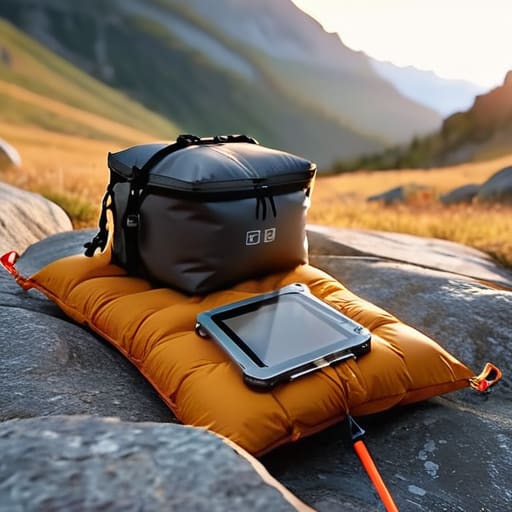
- Don’t sacrifice your sleep system for a few grams of fabric. I’ve spent three nights in a sub-zero tent with a “lightweight” sleeping bag that was rated for temperatures it clearly wasn’t built for, and I can tell you that shivering is the fastest way to make a mistake. If you’re cutting weight, do it on your cookset or your shelter, never on the insulation that keeps you alive when the temperature drops at 3 AM.
- Treat your layers as a single system, not a collection of individual items. I’ve seen people pack a massive, heavy down jacket because they saw it on a sale rack, but they forget the breathable mid-layers that prevent sweat from soaking their base layers. A lightweight setup works because it’s modular; you need a thin, moisture-wicking layer, a warm insulating layer, and a shell that actually stops the wind.
- Test your “emergency” kit in real conditions before you trust it in the wild. It’s easy to pack a tiny, lightweight first aid kit or a miniature stove, but if you haven’t used that specific stove in a gale or realized your bandages aren’t actually waterproof, it’s just dead weight. I won’t even look at a piece of kit unless I’ve used it for at least three full days in wet, miserable weather.
- Forget the “one size fits all” approach to food weight. People often try to go ultralight by eating tiny portions of dried meals, but then they run out of fuel or energy halfway through a climb. I’ve found that calorie density is more important than total weight; focus on fats and complex carbs that pack a punch without requiring a massive, heavy volume of food.
- Learn to read the terrain, not just your GPS. A lightweight pack makes you faster, which can be dangerous if you use that speed to outrun a weather front. I’ve seen hikers push too hard because their pack felt light, only to realize they’ve walked themselves into a valley with no exit just as the light is failing. Weight reduction should give you more control, not more recklessness.
The Trap of the Lightweight Mindset
“The danger of chasing a sub-two-pound pack is that you start treating weight like a scoreboard rather than a safety margin; I’ve seen people trade a reliable, heavy shell for a flimsy piece of ultralight fabric just to shave off a few grams, only to realize three hours later, while shivering in a cloud bank, that those grams were the only thing keeping them from hypothermia.”
Bridget Halloran
The Final Calculation
At the end of the day, lightweight backpacking isn’t about chasing a number on a digital scale or owning the most expensive titanium spork on the market. It is about the discipline of knowing exactly what you are carrying and, more importantly, why you are carrying it. We have looked at the necessity of gram counting, the reality of gear testing, and the trap of believing every marketing claim. You need to find that sweet spot where your pack weight doesn’t compromise your ability to move quickly or react when the weather turns. If you shave off weight by ditching your extra layers or a reliable headlamp, you aren’t being efficient; you are being reckless.
Once you have mastered the balance between weight and safety, the mountains start to feel a little bit smaller, in the best way possible. When your pack isn’t a heavy, punishing weight on your shoulders, you have more energy to notice the subtle things—the way the light hits a ridge or the specific silhouette of a peregrine falcon against a grey sky. Don’t let the pursuit of “ultralight” become a distraction from the actual purpose of being out here. The goal isn’t to carry the lightest kit; the goal is to stay moving, stay safe, and stay observant enough to actually enjoy the landscape you worked so hard to reach.
Frequently Asked Questions
If I'm cutting weight on my kit, at what point am I actually compromising my safety margin when the weather turns?
You’re compromising safety the moment you swap “versatility” for “specialization.” I’ve seen people ditch a heavy, reliable hardshell for a flimsy windshirt because it saves 300 grams. That’s a mistake. If you’re cutting weight by removing items that handle the worst-case scenario—extra layers, a proper emergency shelter, or a more robust stove—you aren’t being efficient; you’re just gambling. I’ve spent twenty years watching that gamble fail when the temperature drops.
How do I balance the need for lightweight gear with the reality of needing durable equipment that can handle actual mountain conditions?
You have to stop thinking about “lightweight” as a single category and start thinking about “resilience per gram.” I’ve spent ten years using the Osprey Exos; it’s light, but it’s not for scrambling through granite scree. If you’re going into high winds or wet heather, don’t swap a heavy-duty silnylon tent for a gossamer-thin ultralight one just to shave 200g. If the gear fails when the weather turns, the weight savings don’t matter.
Is it worth investing in expensive ultralight specialist gear, or can I achieve a similar weight reduction by just being more disciplined with my current kit?
Look, I’ve spent twenty years watching people swap heavy boots for expensive, flimsy ones only to end up with blisters and a cold night. If you can cut weight by being disciplined—better food planning, fewer “just in case” gadgets, smarter layering—do that first. It costs nothing. I’ve used my current shelter through three years of Atlantic gales; it’s not the lightest, but it works. Buy specialist gear only when your discipline hits a ceiling.