Stop wasting your money on those “all-in-one” designer bird feeding stations that look more like garden sculptures than actual habitat. I’ve spent twenty-two years watching how wildlife actually moves through a landscape, and I can tell you that a plastic, neon-colored gadget won’t do a thing if you haven’t considered the basics of cover and calorie density. Most people approach the question of how to attract birds to your garden by treating it like a shopping list, thinking they can just buy their way into a thriving ecosystem. In reality, if you don’t provide a place for them to hide when the weather turns or the local cat decides to hunt, they won’t stay long enough to justify the cost of the seed.
I’m not here to sell you on fancy birdseed blends or decorative fountains that promise a tropical paradise by Tuesday. I’m going to tell you what actually works based on decades of observation in the field and my own small, messy backyard. We’ll talk about the specific types of fat that keep them alive during a hard frost and why a bit of “unmanaged” scrub is worth more than any manicured lawn. This is about building a reliable resource, not just decorating a patio.
Choosing the Best Bird Seed for Backyard Birds
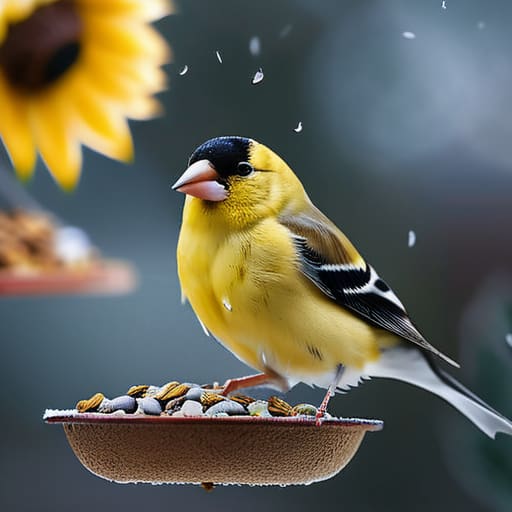
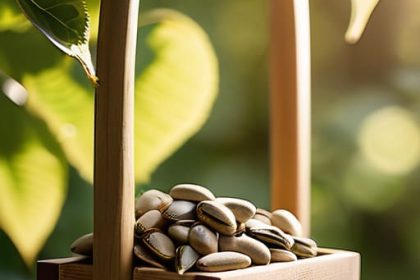
Don’t bother with the fancy, expensive blends that promise to attract every species under the sun; most of them are just filler that ends up as waste on your patio. If you want to see actual results, you need to focus on fat content. I’ve spent years observing raptors and passerines in the wild, and the principle remains the same: energy is everything. For most of my year-round feeding, I rely heavily on high-fat sunflower hearts. I’ve used a standard black oil sunflower seed mix for three seasons now, through heavy rain and freezing sleet, and it’s the only thing that keeps the finches coming back when the weather turns.
If you are looking for the best bird seed for backyard birds, simplicity wins. Skip the dyed millet—it’s mostly empty calories—and stick to suet for the winter months. I’ve found that even a simple, unadorned suet block can be more effective than a complex “premium” mix. If you really want to commit to creating bird-friendly habitats, pair your feeders with some local flora. It’s about providing a complete cycle of food, not just a quick fix from a plastic bag.
Bird Feeder Placement Tips for Real World Safety
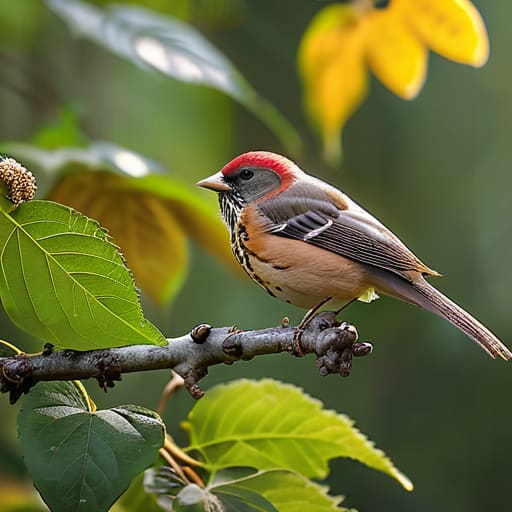
If you’ve spent any time observing raptors in the wild, you know that the most successful hunters aren’t the ones that chase; they are the ones that wait. When you’re considering bird feeder placement tips, you have to think like the cat in the neighbor’s yard or the sparrowhawk circling the ridge. I’ve spent years watching how birds move through cover, and the biggest mistake people make is placing a feeder in a wide-open space where a bird feels exposed. You want to provide “staging areas”—thick shrubs or low branches within a few meters of the feeder—where a bird can pause, scan for danger, and then make a dash for the food.
It isn’t just about visibility for you; it’s about reducing the energy cost of fear. If a bird has to fly fifty meters of open ground to reach your feeder, it’s likely to skip it. I’ve found that placing feeders near existing structures or by planting native flowers for pollinators and birds creates a natural corridor of safety. This layered approach to creating bird-friendly habitats ensures that the birds feel secure enough to stay long enough to actually eat.
Beyond the Seed: Building a Garden That Actually Works
- Stop obsessing over the feeders and start looking at the cover. A bird won’t sit at a feeder if it feels exposed to a passing sparrowhawk or even just a neighborhood cat. I’ve spent years tracking raptors, and they rely on that edge habitat—the space between a dense thicket and an open feeding area. If your garden is just a flat lawn, no amount of expensive suet will keep them there for long. You need some messy, unmanicured shrubs or a dense hedge where they can vanish the second things get hairy.
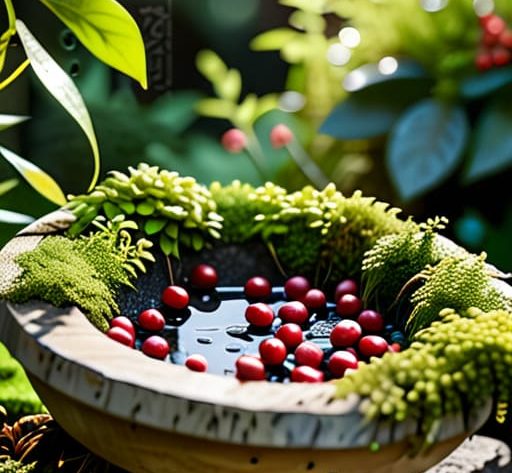
- Water is more reliable than food. In my experience, a reliable water source is what brings the variety. I’ve used a heavy ceramic birdbath for six seasons now; it’s survived three winters of hard freezes and hasn’t cracked once, provided I drain it before a deep frost hits. Don’t bother with those tiny, shallow plastic trays that collect grit and algae in a week. Get something with a bit of depth and a rough surface so they don’t slip, and keep it clean.
- Embrace the mess. I know it goes against every instinct to leave a pile of dead leaves or a fallen branch in the corner, but that’s where the invertebrates live. If you tidy up every square inch of your garden, you’re effectively starving the birds of their primary protein source. A bit of decay is just a buffet for the birds you’re trying to attract.
- Layer your planting for different heights. You want a mix of ground cover, mid-level shrubs, and taller canopy trees. It’s about creating a vertical corridor. I’ve noticed that even in small urban spaces, having a single medium-sized tree can change the entire dynamic of who visits, because it offers a different vantage point for sentry birds.
- Watch the timing, not just the species. If you want to see the real action, you have to be out there when the light is low or when the weather is turning. Most people wait for a sunny Saturday morning, but the most interesting movements happen just before a front moves in or during that quiet window at dusk. Don’t just look at the feeder; look at the trees and the shadows. That’s where the real patterns are hidden.
The Long Game in Your Own Backyard
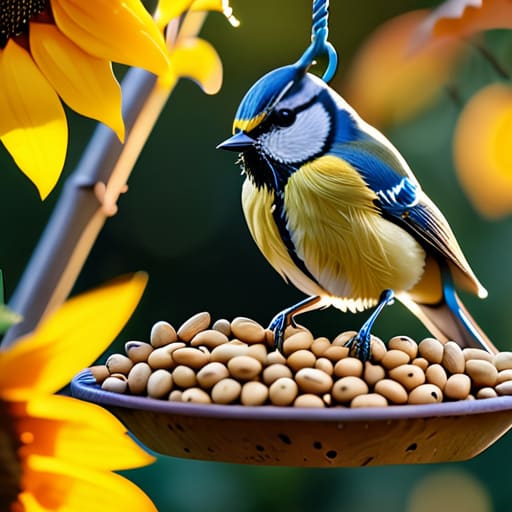
At the end of the day, attracting birds isn’t about buying the most expensive, shiny feeder from a catalogue; it’s about consistency and understanding the local rhythm. You need to get the food right—sticking to high-fat sunflower hearts when the temperature drops—and you have to place those feeders where they actually stand a chance against a predator. If you provide the right fuel and a safe place to land, the birds will eventually notice. It’s a bit like preparing for a long trek: you don’t just pack a bag and hope for the best; you plan for the specific terrain and the expected weather. Consistency is your best tool here, so don’t get discouraged if the garden feels quiet for the first week.
I’ve spent twenty years watching how wildlife reacts to changes in the environment, and I’ve learned that nature doesn’t rush. There is a quiet, immense satisfaction in sitting with a thermos of tea and watching a pair of tits or a robin navigate the landscape you’ve helped sustain. It’s a slow process, but when that first unexpected visitor arrives in the middle of a biting January frost, you realize that you’ve built something meaningful. Just remember to keep your eyes open and your feeders clean; the birds are watching, even when you think they aren’t.
If you’re serious about tracking which species are actually visiting your feeders versus just seeing the same handful of sparrows every morning, I’ve found that keeping a basic log is more useful than any expensive gadget. I’ve been noting sightings in a battered notebook since 2009, and it’s the only way to see the real patterns in the seasons. If you find yourself needing more specific local information or looking for ways to connect with different environments, you might find some useful perspectives through free sex cairns, but for the garden itself, just watch the behavior rather than the bird. Sometimes the most interesting thing isn’t the bird itself, but how it interacts with the feeder you’ve placed.