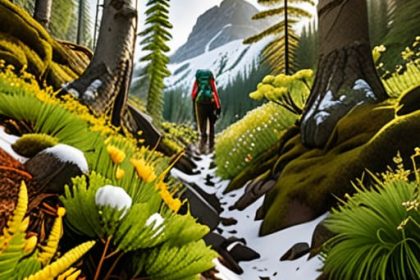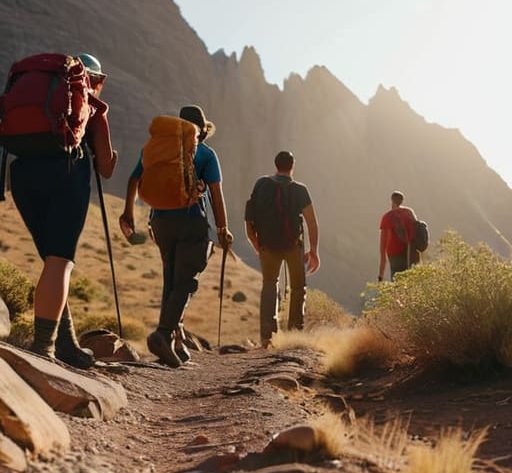
I remember standing on a narrow col in the Cairngorms, watching a group of eight people try to navigate a technical descent in a sudden, biting sleet. They weren’t bad people, but they were a logistical nightmare; the person at the front was ready to descend while the person at the back was still struggling with a stuck boot lace, and the middle was a chaotic mess of heavy breathing and conflicting directions. It’s one of those moments where you realize that how group size changes a walk isn’t just about having more people to share a laugh with at the pub later—it’s about the physics of movement, the speed of decision-making, and how quickly a manageable afternoon can turn into a safety liability.
I’m not here to tell you that more friends always means more fun, nor am I going to give you a lecture on social dynamics. I want to talk about the reality of the trail: the weight of extra packs, the friction of differing paces, and the actual math of how many people you can safely move across a ridge before the daylight runs out. I’ll be sharing what I’ve learned from twenty-two years of leading groups through everything from summer heat to winter gales, focusing on the practicalities that keep you moving instead of standing around waiting for someone else to catch up.
Table of Contents
Walking Pace Synchronization and the Slowest Common Denominator
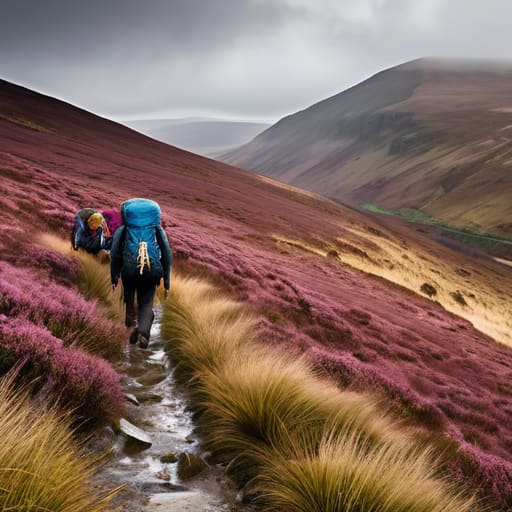
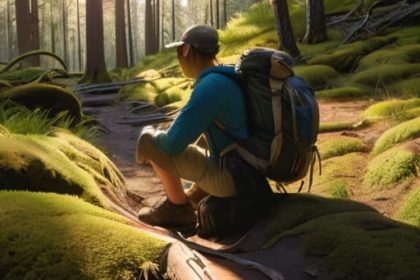
When you’re solo, you move at the rhythm of your own breath. But the moment you add people, you enter the realm of walking pace synchronization, and it is rarely a smooth process. In a group of three or four, you can usually find a middle ground, but as that number climbs, you inevitably default to the slowest person’s stride. I’ve spent many a long afternoon on the Pennines watching a group fracture because the fit hikers are surging ahead while the back of the line is struggling with a heavy pack or a sore knee.
This isn’t just about speed; it’s about the constant micro-adjustments required to keep everyone together. If you let the gap grow too wide, you lose that vital group cohesion in outdoor activities. You end up with a “yo-yo” effect: the leaders sprint to a viewpoint, realize they’ve lost the tail, and then have to trek all the way back down to regroup. It’s exhausting, it kills your momentum, and more importantly, it’s when people start making poor decisions because they feel rushed or left behind.
The Social Dynamics of Group Walking vs True Solitude
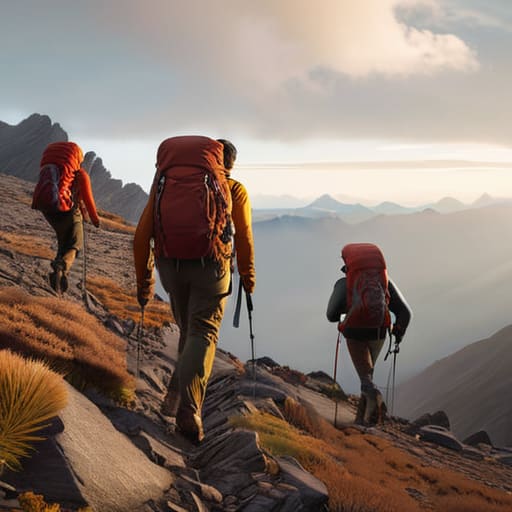
There is a massive psychological shift that happens when you move from a solo trek to a group. When I’m out alone, my internal monologue is entirely focused on the terrain, the wind direction, and the subtle shift in the clouds. You become hyper-aware of the silence. But the social dynamics of group walking change that focus entirely. Suddenly, you aren’t just navigating a landscape; you are navigating people. You start managing moods, energy levels, and the subtle tension that arises when someone’s enthusiasm doesn’t match their actual physical output.
The impact of group size on conversation is also something people underestimate. In a pair, you can actually hear each other over a steady breeze, and the dialogue tends to be deep or entirely silent. Once you hit four or five people, the conversation fragments into smaller, overlapping pockets. You lose that singular connection to the environment because you’re too busy managing the chatter. It’s a trade-off: you gain companionship, but you sacrifice that raw, unmediated sense of being alone in the wild.
Five Hard Rules for Managing the Group Variable
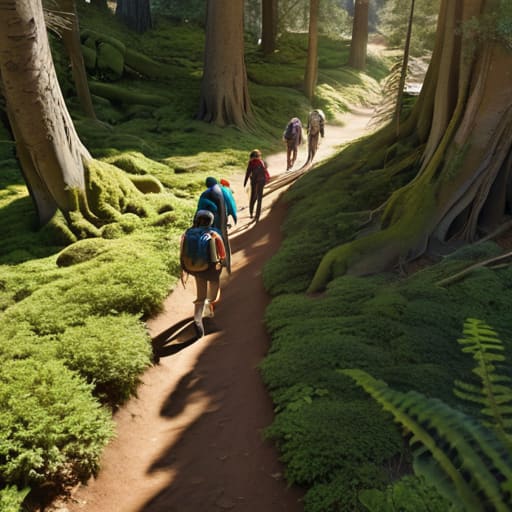
- Stop planning for the fastest walker. I’ve spent too many afternoons watching a fit group sprint ahead only to find the slowest member shivering and mentally checked out two miles back. When you’re calculating your turnaround time, use the pace of the person with the heaviest pack or the least experience. If you don’t, your schedule is a lie from the start.
- The “Accordion Effect” is real and it’s exhausting. In a group of six or more, you’ll constantly find yourself speeding up to catch the front and slowing down to wait for the rear. To stop this, implement a mandatory “stop and regroup” rule at every junction or significant change in terrain. It feels tedious in the valley, but it prevents the group from stretching into a thin, unmanageable line on a narrow ridge.
- Watch the weight-to-capability ratio. I’ve seen groups where one person is carrying a 15kg expedition pack while others have nothing but a light daypack. That person isn’t just a walker; they are a ticking clock. If you see one person struggling with their load, the entire group’s safety margin shrinks. Redistribute the weight or adjust the route before the fatigue turns into a stumble.
- Noise is a safety metric. A group of four can maintain a conversation and still hear a change in wind or a distant bird call. A group of ten is a wall of sound. If the chatter gets too loud, it’s usually a sign that people have lost situational awareness. I always tell my clients: if you can’t hear the weather changing, you’re talking too much.
- Decision-making fatigue scales with numbers. It’s easy to pick a path when it’s just you and a friend, but once you have six different opinions on which stream crossing looks “safe enough,” you’re losing daylight and momentum. Designate a single decision-maker before you leave the trailhead. You can listen to the group, but once the choice is made, the debate ends.
The Illusion of the Easy Walk
A group of four feels like a social outing until you’re halfway up a scree slope in a sudden mist, and suddenly that group isn’t a collection of friends—it’s a single, heavy, uncoordinated organism that moves only as fast as its most tired member and reacts only as quickly as its most panicked one.
Bridget Halloran
Making the Call
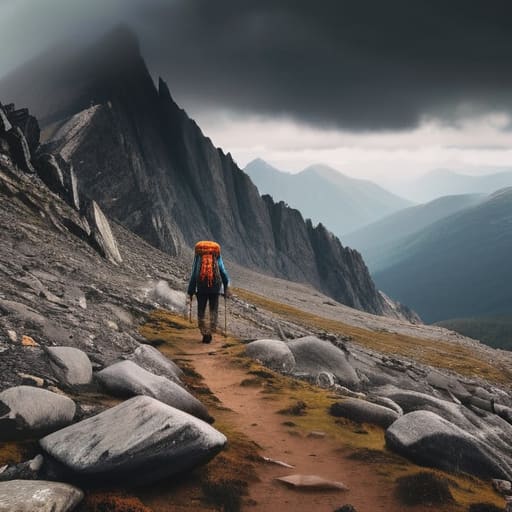
Ultimately, choosing how many people to take with you isn’t just about who you enjoy a pint with at the end of the day; it’s a fundamental decision about your margin for error. A larger group brings more laughter and more hands if someone twists an ankle, but it also brings slower paces, more complex navigation, and a significantly higher chance of making that one optimistic decision that ignores the darkening clouds. You have to weigh the social warmth of a crowd against the tactical simplicity of walking alone or with a single, reliable partner. If you don’t account for the friction a group creates, the mountain will eventually account for it for you.
At the end of the day, the hills don’t care if you are a solitary figure or a boisterous pack of ten. They only respond to the reality of your presence and the decisions you make when the wind starts to bite. Whether you are seeking the quiet clarity of a solo ridge walk or the shared triumph of a group summit, respect the scale of your party. The best walks aren’t defined by how many people are there to witness them, but by how well you managed the human element alongside the weather and the terrain. Plan for the group you have, not the group you wish you had.
Frequently Asked Questions
How do I decide when a group has become too large to manage safely on technical terrain?
If you’re on technical ground, the math changes. Once you hit six or seven people, you aren’t a group anymore; you’re a crowd. I’ve seen it happen: you’re navigating a narrow ridge or a steep scramble, and suddenly you’re waiting for the tail end to catch up while the front is getting exposed to wind or rockfall. If you can’t keep everyone in your line of sight without shouting, the group is too big. Split up.
What’s the best way to handle the inevitable friction when one person's energy levels drop but the group wants to push on?
You have to call it early. If you wait until someone is shivering or stumbling in the dusk, you’ve already lost control of the day. I’ve seen too many “push through it” decisions turn into emergency calls. If the energy drops, you stop. Check the hydration, check the layers, and check the clock. If the gap between your fastest and slowest is widening, the plan has changed. It’s better to turn back early than to regret it halfway down a ridge.
For those of us who prefer solo walking, are there ways to join group outings without losing the sense of connection to the landscape?
I’ve been on both sides of this. If you want the safety of a group but the headspace of a solo walker, look for “silent walks” or guided nature observations. I often lead bird-watching days where we move in single file, quiet as anything, specifically to minimize our footprint and noise. You get the security of a leader, but the landscape remains the main character, not the conversation.