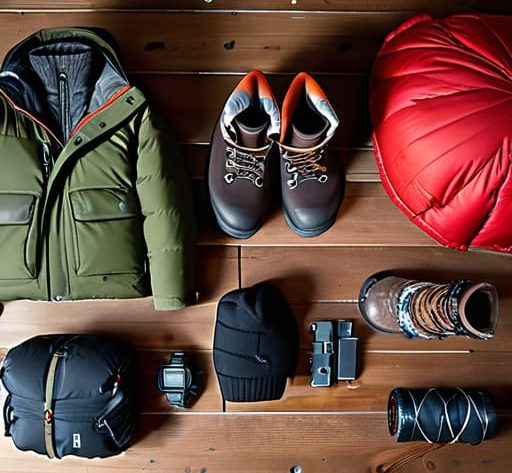
I remember standing on a ridge in the Cairngorms three years ago, watching a client try to fight off the onset of hypothermia with a “high-tech” waterproof jacket that had completely lost its breathability. He was soaked from the inside out because he’d prioritized a fancy brand name over a functional layering system. Most of the advice you find online about how to choose kit for a first winter is just expensive marketing disguised as expertise, pushing lightweight gadgets that fail the moment the temperature drops below zero and the wind starts biting. You don’t need a wardrobe of cutting-edge synthetics; you need a system that works when you are exhausted and cold.
In this guide, I’m stripping away the sales pitch. I won’t be reciting press releases or telling you that every new piece of gear is a life-saver. Instead, I’ll give you the honest truth based on twenty-two years of seeing what actually holds up when the weather turns foul. I will tell you exactly what I use, how much it weighs, and how many seasons it has survived in the real world. We are going to focus on the gear that keeps you safe, not the gear that just looks good in a catalogue.
Table of Contents
Building a Layering System for Cold Weather That Actually Works
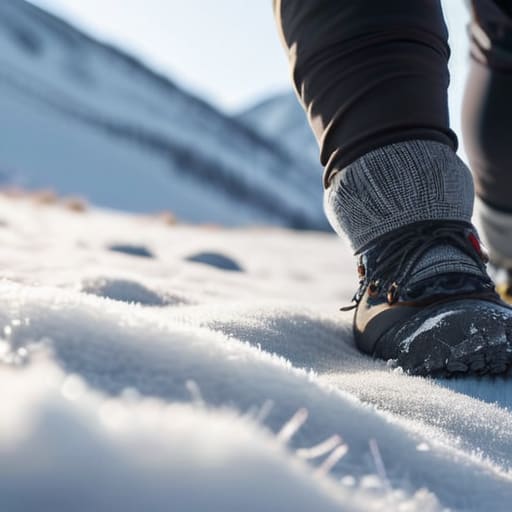
Most people approach their first winter outing with a heavy fleece and a prayer, thinking they’re prepared. They aren’t. The secret to a functional layering system for cold weather isn’t about how much wool you can cram onto your body; it’s about managing moisture before it turns into a sheet of ice against your skin. I’ve spent twenty years watching people freeze because they sweat through a heavy cotton base layer during a steep ascent, only to have that moisture sap their body heat the moment they stopped to check a map. Your base layer must be synthetic or merino—nothing else—and it needs to sit close to the skin without feeling restrictive.
I’ve used my Arc’teryx Atom LT in everything from sleet to sub-zero winds over the last four seasons, and it’s a reliable mid-layer, but it isn’t a magic shield. You need a dedicated, high-loft insulating layer for when you stop moving, and a hard shell that actually breathes. If your shell is just a cheap plastic bag, you’ll be soaked from the inside out by noon. When putting together your beginner winter gear checklist, prioritize breathability and moisture management over sheer bulk. If you can’t vent the heat while climbing, you’re just building a sauna that will eventually turn into a refrigerator.
A Beginner Winter Gear Checklist for When Daylight Fades

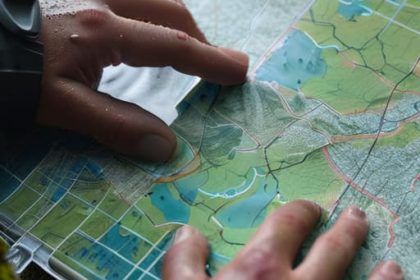
When the sun drops behind a ridge in mid-January, the temperature doesn’t just dip; it collapses. This is where most people realize their “summer kit plus a jumper” strategy is a mistake. Your beginner winter gear checklist needs to prioritize light and navigation above all else. I’ve spent too many evenings huddled under a survival bag because someone thought a smartphone app was a substitute for a physical map and a compass. I’ve used the Silva Expedition compass in sub-zero sleet for over fifteen years, and it hasn’t failed me yet. Don’t rely solely on a phone battery that will die the moment the temperature hits zero.
You also need to consider your illumination. I’ve carried the Petzl Actik Core for three seasons now, through everything from heavy mist to gale-force winds on the Cairngorms, and the reliability is what matters. A headlamp isn’t a luxury; it is non-negotiable safety gear for first timers. If you are caught in a whiteout or simply running late, you cannot afford to be fumbling with a torch in your gloves. Pack a spare set of batteries in an inside pocket close to your body heat. If you can’t see the path, you aren’t hiking; you’re just stumbling.
Five Hard Lessons from the Ridge
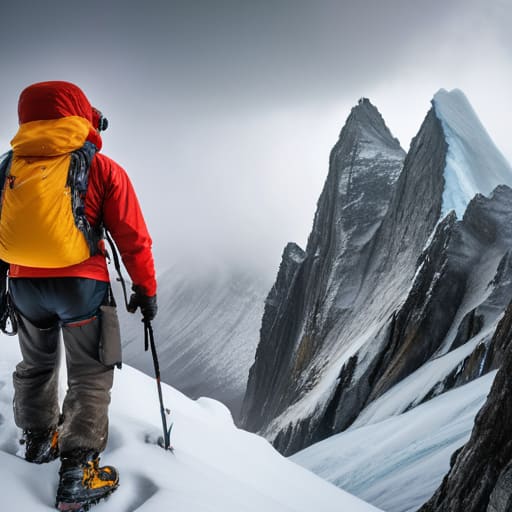
- Stop buying for the temperature on the app and start buying for the wind chill on the summit. I’ve seen too many people head out in a -2°C forecast with nothing but a light fleece, only to realize that once that wind hits the ridge, it feels like -12°C. If your kit can’t handle the wind, the temperature doesn’t matter.
- Footwear is a non-negotiable. I have spent more time helping people limp down scree slopes because they tried to use their summer leather boots for a winter scramble than I care to admit. You need something with a stiff sole for stability on uneven, frozen ground and enough room in the toe box so your feet don’t go numb when the blood flow slows down. I’ve used my current pair of B1 boots for four seasons of heavy slush and frozen mud, and they haven’t let me down once.
- Test your kit in the “boring” weather before you need it in the “bad” weather. If you wait until you’re shivering in a damp valley to find out your new hardshell doesn’t breathe well, you’ve already lost the battle. I always test a new layer on a steep, heavy ascent in the rain to see if I end up soaked from the inside out by my own sweat.
- Weight is a secondary concern to reliability. A lightweight pack is nice, but it’s useless if it’s too flimsy to carry the extra layers and food you’ll inevitably need when the day takes longer than planned. I’ve carried packs weighing 14kg on long winter days when I thought I’d only need 8kg; the extra weight of a proper emergency kit is a small price to pay for not having to call for help.
- Forget “waterproof” as a binary setting. In winter, everything is about moisture management. If your gear doesn’t move sweat away from your skin, you will freeze the moment you stop moving. I’ve spent twenty years watching people sit down for a break only to realize they’ve turned their base layer into a cold, wet sponge. Choose fabrics that breathe, or you’ll be managing hypothermia instead of enjoying the view.
The Cost of Optimism
“I’ve spent twenty years watching people walk into a disaster because they bought gear for the sunny walk they planned, rather than the freezing, sideways-rain reality they actually got. When you’re choosing kit for your first winter, stop looking at the ‘lightweight’ labels and start asking if that jacket will still work when you’re soaked through and the temperature drops ten degrees in twenty minutes. In the mountains, your kit isn’t just equipment; it’s your margin for error.”
Bridget Halloran
The Final Check
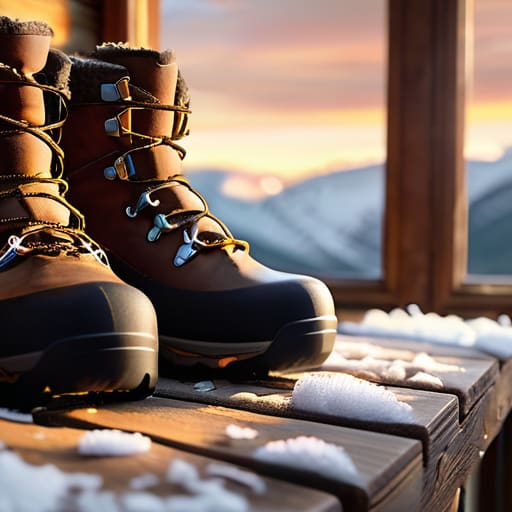
At the end of the day, choosing your first winter kit isn’t about buying the most expensive labels or the lightest weights you can find in a catalog. It’s about understanding the relationship between your layers, your shelter, and the reality of the forecast. You need a system that manages moisture, boots that won’t fail when the temperature drops below freezing, and enough extra light to get you back to the car when the sun disappears behind a heavy cloud bank at 3:30 PM. Remember, the goal isn’t to conquer the mountain; it is to manage your exposure so that you can actually enjoy the view without spending the entire time shivering or checking your watch in a panic. Tested gear is better than expensive gear.
There is a specific kind of quiet that only exists on a ridge when the wind dies down and the world turns white. It is the reason we do this. But that stillness is a privilege earned through preparation, not something you should gamble with. Don’t let a bit of early-season sunshine convince you that you can skip the heavy mitts or the extra thermal layer. Respect the margin for error, listen to your gut when the clouds start to thicken, and know when to turn back. If you do that, the mountains will keep inviting you back, season after season.
Frequently Asked Questions
I've got a decent set of summer hiking boots, but do I really need dedicated winter boots, or can I just add more thick socks?
Thick socks are a bandage, not a solution. I’ve seen too many people try to “sock their way” through a frost, only to end up with numb toes because their summer boots lack the insulation and stiffness required for crampons or heavy lugs. I’ve worn the Meindl Bhutan boots for six seasons in sub-zero peat bogs; they aren’t light, but they keep the heat in. If your boots aren’t built for the cold, you’re just walking on ice in thin slippers.
How much weight am I actually going to feel in my pack when I add all these extra layers and safety bits?
You’ll feel it. Every gram matters when you’re fighting a headwind on a scree slope. I’ve carried packs weighing 14kg in the Cairngorms, and by hour six, that weight stops being a number and starts being a physical ache in your shoulders. You aren’t just carrying clothes; you’re carrying your margin for error. If you haven’t practiced walking with your full winter load on a familiar route, you’ll find out exactly how heavy it is when the light starts failing.
If the forecast says it's just 'light snow,' can I get away with my standard waterproof shell, or is that a mistake I'll regret on the ridge?
If you’re planning to stay in the lee of a ridge, maybe. But if you’re exposed? That’s a mistake. I’ve seen “light snow” turn into a horizontal scouring wind in twenty minutes, and once that moisture hits your core, your standard shell won’t stop the convective cooling. I’ve used my Altus Teca shell for three seasons in damp conditions, and it’s fine for a stroll, but on a winter ridge, you need something with actual substance.