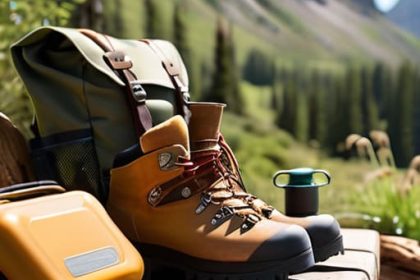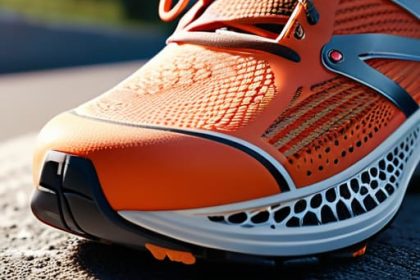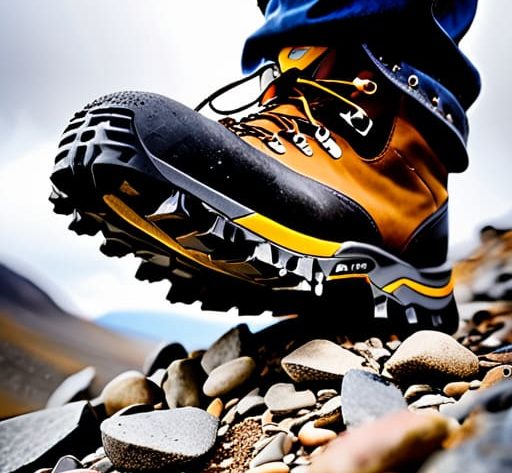
I’ve spent more time watching people limp back to the trailhead in a state of quiet misery than I care to admit, and nine times out of ten, it’s because they fell for a glossy brochure instead of looking at the ground beneath them. People get caught up in the latest Gore-Tex marketing or the promise of “ultralight” tech, but they completely ignore the reality of choosing the right hiking boots for terrain that actually matters. I once led a group through a scramble in the Cairngorms where two people were wearing lightweight trail runners that were perfectly fine on a manicured path, but utterly useless on the jagged, wet granite we actually encountered. They weren’t just uncomfortable; they were a safety risk.
I’m not here to sell you on the most expensive brand in the shop or tell you that a certain boot is “revolutionary.” My approach is much more boring, and much more useful. I’m going to talk to you about lug depth, ankle support, and sole stiffness based on how these boots actually perform when the weather turns and the ground gets technical. I will tell you exactly what I’ve used for hundreds of miles in boggy peat and scree, and if I haven’t put a boot through its paces in real-world conditions, I won’t bother mentioning it.
The Reality of Ankle Support for Rocky Trails
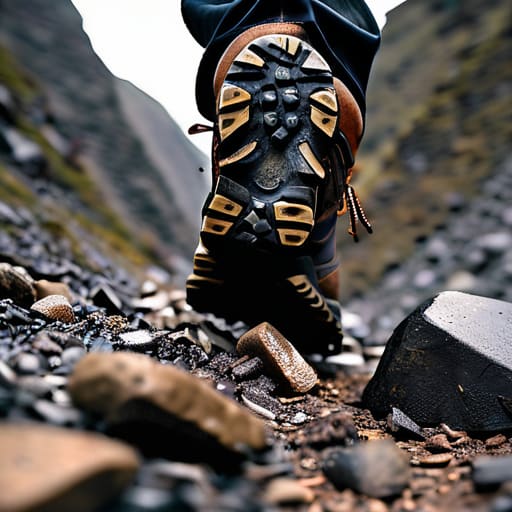
If you’re still feeling unsure about how a specific tread pattern might behave on wet gritstone or loose scree, don’t just guess and hope for the best. I’ve found that the most practical way to get a sense of how gear actually performs in real-world, messy conditions is to talk to people who are out there every day. I often head over to the casualyorkshire chat when I need a second opinion on something niche, as you’ll get much more honest feedback there than you ever will from a shiny product description. It’s better to ask a question now than to be questioning your life choices halfway up a scramble because your lugs can’t find any purchase.
There is a persistent myth in the gear shops that a high, stiff cuff is a magic shield against a rolled ankle. I’ve spent many a late afternoon on the scree slopes of the Cairngorms watching people try to “muscle” their way through technical terrain in boots that are far too rigid for the ground beneath them. Real ankle support for rocky trails isn’t just about how high the leather goes; it’s about the relationship between the sole and the rock. If your boot is so stiff that it can’t flex with the natural movement of your foot on a jagged edge, you aren’t gaining stability—you’re just creating a lever that will snap your ankle the moment you lose your footing.
I’ve put my current pair of mid-weight leather boots through three seasons of heavy granite scrambling and wet peat, and what I’ve learned is that stability comes from the midsole, not just the collar. You need enough midsole cushioning for uneven terrain to absorb the micro-shocks of every step, otherwise, your fatigue will set in long before you reach the summit. When you’re tired, your proprioception drops, and that is exactly when the accidents happen. Don’t mistake bulk for safety.
Why Waterproof vs Breathable Hiking Footwear Actually Matters
The debate over waterproof vs breathable hiking footwear usually gets lost in marketing jargon, but in the field, it’s a matter of thermal regulation. I’ve spent fourteen days straight in my current pair of Gore-Tex lined boots during a wet trek through the Cairngorms, and the reality is that “waterproof” is a double-edged sword. While they kept the peat hags from soaking my socks, the lack of airflow meant that once my feet started sweating during a steep ascent, I was essentially walking in a warm, damp sponge. If you are planning a high-output summer trek, you might find that breathability is more vital than absolute dryness.
However, if you are heading into the shoulder seasons or working in high humidity, that membrane becomes your best friend. I once led a group through a heavy autumnal downpour where the difference between a membrane boot and a mesh shoe was the difference between a manageable afternoon and a miserable, shivering descent. You have to weigh the risk of wet feet from the outside against the discomfort of damp feet from the inside. It isn’t about which is “better,” it’s about whether you’re more likely to step in a puddle or break a sweat.
Five Things Your Footwear Needs to Do Before You Leave the Car
- Match the sole stiffness to your ground, not your ego. I’ve spent three days on the scree slopes of the Cairngorms in stiff, B2-rated boots that felt like walking on planks, but for a quick loop on well-maintained forest paths, that same rigidity will just exhaust your calves and make you stumble.
- Test the lug pattern on actual mud, not just a shop carpet. I’ve seen too many people buy boots with deep, aggressive lugs for “all-terrain” use, only to find that on wet, packed clay, those lugs act like little skis. If you’re heading into peat bogs, you need a tread that clears itself as you walk.
- Don’t ignore the weight-to-durability trade-off. I’ve carried a pair of lightweight trail runners for about 400 miles of mixed terrain; they’re brilliant for speed, but the moment I hit a rocky ridge in a downpour, I could feel the lack of structural integrity. If you’re carrying a heavy pack, that extra 300g of leather is a fair price to pay for stability.
- Check the toe box for “downhill clearance.” I’ve had more toes bruised by granite than I care to admit because I bought boots that fit perfectly on flat ground but cramped up the moment the descent started. You need enough room to wiggle your toes when your foot naturally slides forward on a steep grade.
- Understand that “waterproof” is a moving target. I’ve worn the same Gore-Tex lined boots through six months of Scottish autumns, and they stay dry from the top down, but if you submerge them in a stream for more than a few seconds, they’re finished. Waterproofing manages the rain; it doesn’t make you a submarine.
Final Thoughts Before You Hit the Trail
At the end of the day, choosing boots isn’t about finding the most expensive pair in the shop or the one with the flashiest branding; it’s about matching the tool to the task. You need to weigh the necessity of ankle stability against the sheer weight of the boot, and understand that a waterproof membrane is only as good as your ability to manage moisture through layering. I’ve seen too many people compromise on the actual terrain they intend to walk because they were seduced by a lightweight shoe that falls apart on scree, or they bought heavy leather boots for a summer stroll and ended up with blisters by mile three. If you get the balance between protection, weight, and breathability right, you’ve already won half the battle.
The mountains don’t care about your gear list, but they certainly notice when it’s inadequate. My advice is to remember that the best piece of kit is the one that lets you stop thinking about your feet and start looking at the horizon. When your footwear is right, you aren’t fighting the ground; you’re moving with it. So, test them thoroughly, respect the weather, and never let a bit of optimism override the reality of your equipment. The hills are waiting, and they are much more enjoyable when you aren’t constantly checking your footing.