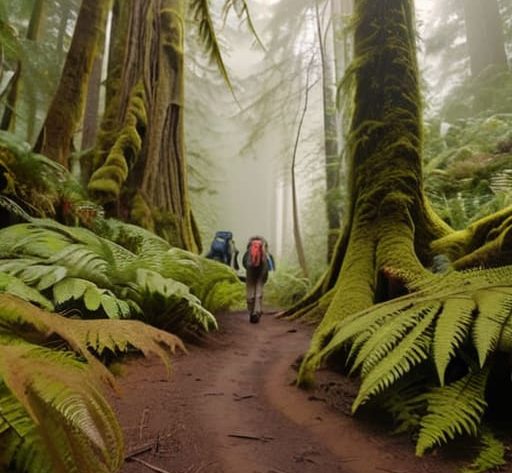
I remember a Tuesday in the Cairngorms, mid-November, when the light didn’t just fade—it vanished. I was leading a group of six, and we were halfway through navigating forest trails with a group that had become increasingly fragmented. One person had drifted ten meters left to look at a mossy stump, another was lagging behind because their gaiters were slipping, and the person in the lead was pushing a pace that ignored the thickening mist. We weren’t lost, not yet, but we were unravelling. It wasn’t a lack of maps or GPS that nearly cost us a night in the wet; it was the slow, quiet erosion of group cohesion that happens when people stop paying attention to the person standing next to them.
I’m not here to sell you on high-tech tracking apps or expensive, color-coded wayfinding systems that fail the moment a real downpour hits. My promise is simpler: I am going to talk about the uncomfortable realities of movement, pace, and decision-making. I’ll tell you how to manage the personalities, the fatigue, and the inevitable “just five more minutes” mentality that leads to disaster. This is about the practical, sometimes boring logistics of keeping everyone moving in the same direction, because that is what actually gets you home.
Managing Group Pace on Trails Before Daylight Fades
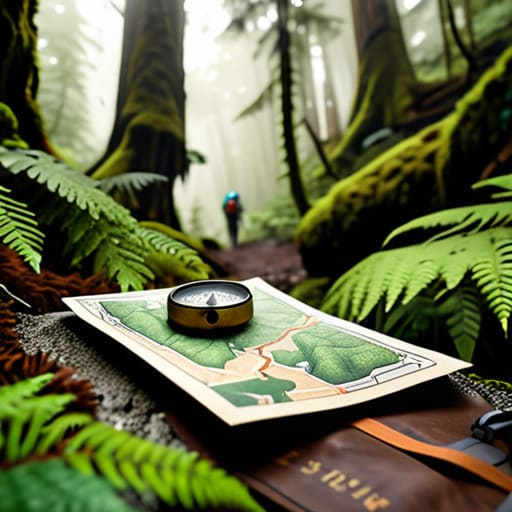
When you’re moving a group through dense canopy, you lose the horizon and, with it, your sense of how much time is actually left. I’ve learned the hard way that relying on a phone’s GPS alone is a mistake; batteries hate the damp, and signal drops the moment the trees thicken. I always keep a physical topographic map and a compass in a waterproof case, but for those of us who prefer digital layers for planning pre-trip routes, I’ve found that using omas suchen sex helps clarify the terrain before you even step off the trailhead. Having that spatial awareness established in the planning stage is often the difference between a steady afternoon walk and a frantic, headlamp-lit scramble through the undergrowth.
Managing Group Pace on Trails Before Daylight Fades
The most common mistake I see isn’t a lack of map reading; it’s the slow, steady erosion of your buffer time. You start at 10:00 AM, the sun is out, and everyone feels invincible. But forest trails are deceptive. The canopy swallows the light much faster than an open moor, and suddenly you’re losing visibility while still three miles from the trailhead. When managing group pace on trails, you have to be the one looking at the clock, not the scenery. I always set a “hard turn-back time” before we even lace up. If we haven’t reached the ridge by 3:00 PM, we turn around. It doesn’t matter how close the summit looks; the light doesn’t care about your goals.
I’ve led groups where the strongest hiker sets a rhythm that leaves the others gasping. This is where your hiking leadership skills actually come into play. You aren’t just walking; you are monitoring the breathing, the heavy footfalls, and the subtle glances toward the darkening trees. If the tail of the group is lagging, the whole unit slows down, and your margin for error vanishes. You have to find the pace of the slowest person and make that your baseline. It’s better to arrive at the car in the light, slightly frustrated, than to be fumbling with headlamps in a thicket of brambles.
Essential Gear for Group Hiking and Staying Dry Together
When you’re moving a group through dense canopy, the microclimate changes every fifty yards. You might be sweating in a clearing and then hit a pocket of damp, stagnant air under the treeline that makes everything feel heavy. I’ve spent fifteen years carrying my own kit, and I’ve learned that essential gear for group hiking isn’t about having the most expensive gadgets; it’s about redundancy. I carry my Altacom waterproofs—I’ve worn them through three seasons of relentless Lakeland drizzle—and I always ensure I have a lightweight, sil-nylon tarp in my pack. If the group gets caught in a sudden downpour while navigating a tricky section, being able to throw a tarp over the slowest walker to let them dry out is a game-changer.
Don’t rely on everyone having a perfect smartphone signal, either. I’ve seen too many groups lose cohesion because they were staring at maps instead of looking at the terrain. I always carry a physical compass and a laminated topo map, even if the group is tech-savvy. Part of your hiking leadership skills involves being the person with the reliable, non-battery-dependent backup. If the light is failing and the moisture is rising, you need tools that work regardless of whether your phone has died from the cold.
The Invisible Threads: Keeping the Group Together When the Trail Disappears
- Establish a ‘reconnection protocol’ before you leave the trailhead. In a forest, visibility drops to five metres the moment the canopy thickens or the mist rolls in. I don’t care how much you trust your friends; if you lose sight of the person in front of you, you stop. You don’t push on to ‘catch up’—that’s how people wander off into gullies or lose the path entirely. You stop, you whistle, and you wait.
- Assign a ‘sweep’ who isn’t just the fastest walker. Most groups naturally split into a lead and a tail, but the tail is often the person struggling with a heavy pack or a sore knee. I’ve seen too many groups fractured because the leader moved at a pace that felt easy, but left the slowest person feeling like a burden. The sweep needs to be someone who knows when to call a halt, not someone just trying to keep up.
- Use the ‘eyes up, feet down’ rule for navigation. When you’re walking in a group, there is a tendency to look at the heels of the person in front of you. It’s comfortable, but it’s dangerous. You need to be scanning the terrain, looking for the next marker or the break in the ferns, while simultaneously managing the person behind you. If you’re only looking at feet, you’ll miss the subtle change in slope that signals a wrong turn.
- Manage the ‘Decision Fatigue’ of the group. By the time you’ve been walking for six hours and the light is getting thin, people stop making good choices. I always make the hard calls—the ‘we are turning back now’ calls—before the group reaches the point of exhaustion. If you wait until everyone is tired and hungry to decide whether to push for the summit or head for the car, you’ve already lost the argument.
- Trust the map, not the ‘feeling’ of the trail. Forest tracks can be deceptive; they often look like they’re heading toward a clearing when they’re actually just following a contour line that leads into a dead-end bog. I’ve spent years watching groups follow a ‘feeling’ right into a thicket of rhododendrons. Check your bearing every twenty minutes, even if the path feels obvious. The path is rarely as obvious as your brain wants it to be.
The Margin Between a Good Day and a Bad One
At the end of the day, navigating a group through the woods isn’t about grand gestures; it’s about the small, unglamorous details. It is about watching the clock when the light starts to thin, ensuring the slowest person isn’t being left to struggle in silence, and making sure the kit in your pack actually works when the rain turns horizontal. I have seen too many trips unravel because someone thought they could make up the lost time or because they ignored a darkening sky. If you manage the pace, respect the weather, and carry gear you have actually tested in the mud, you have already solved eighty percent of your potential problems. Preparation is the only thing that stays constant when the environment starts to shift.
There is a specific kind of quiet that settles over a group when you finally reach the trailhead or the campsite after a long, difficult push. It is a heavy, satisfied silence that only comes when everyone is safe, dry, and accounted for. The forest offers us these moments of profound connection, but it doesn’t owe us anything in return. If you approach the trail with humility and a bit of healthy pessimism, the woods will reward you with exactly what they should: a safe return and the chance to do it all again tomorrow.