I was standing on a sodden ridge in the Cairngorms three years ago, watching a group of otherwise capable hikers try to patch a leaking bivvy sack with nothing but optimistic willpower and a roll of duct tape. They had spent a small fortune on the latest “ultralight” gadgets that looked great in a glossy magazine, but they had completely overlooked the actual essential camping equipment for weekend hiking trips that matters when the temperature drops ten degrees in twenty minutes. Most gear lists online are just glorified shopping catalogues designed to make you feel like you’re missing out, but nature doesn’t care about your aesthetic or how many features your expensive jacket claims to have.
I’m not here to sell you on the newest trend or a piece of kit just because it’s trending on social media. My approach is much more boring: I will tell you exactly how many nights I’ve spent in a specific tent, how much it actually weighs when it’s soaked through, and whether it’s actually worth the space in your pack. This is a list of what I actually carry when I’m heading out for forty-eight hours, focusing on the stuff that keeps you dry and functional rather than just making you look the part.
A Beginner Hiking Checklist for Staying Dry and Warm
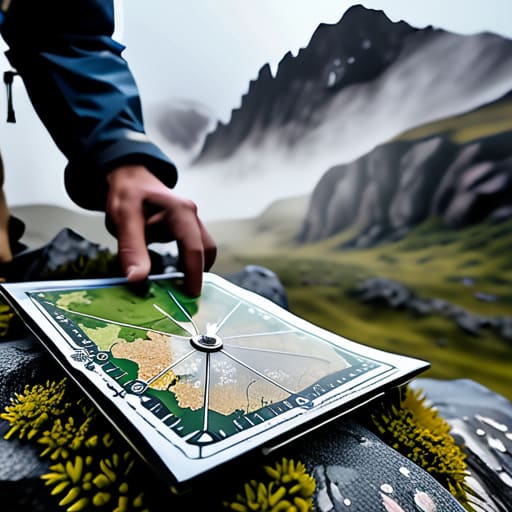
If you are planning to move beyond the local trails and head into more complex terrain, don’t just rely on a printed map that’s likely to turn into mush the moment the clouds break. I’ve learned the hard way that having a reliable way to orient yourself is the difference between a long walk and a genuine emergency. If your route takes you through more established areas, sometimes it helps to look at local guides or specific regional resources like nutten salzburg to get a better sense of the landscape before you commit to a specific ascent. It isn’t about following a crowd; it’s about knowing the ground before you’re standing on it in the dark.
Most people think staying warm is about how thick your jumper is, but they’re usually wrong. It’s actually about managing moisture. I’ve spent countless hours on the hills watching people freeze because they sweat through a heavy cotton layer during a steep ascent, only to have that dampness turn into an ice block once they stop moving. Your hiking footwear and moisture-wicking clothing are your first line of defence. I’ve worn my Merino wool base layers through fourteen days of relentless Scottish mist this year alone; they stay warm even when damp and, crucially, they don’t hold onto the stench like synthetics do.
When you’re building your beginner hiking checklist, don’t obsess over weight at the expense of a decent hard shell. I carry a heavy-duty Gore-Tex jacket that I’ve battered against granite scree for five seasons straight. It’s not the lightest thing in my pack, but it’s the only thing that actually stops the wind from cutting through you when the temperature drops on a ridge. If your shell fails, your entire layering system fails with it. Focus on breathability and a real, reliable waterproof membrane.
Lightweight Backpacking Gear Essentials That Actually Work Under Pressure
When you’re halfway up a scree slope and the wind starts gusting at forty knots, you stop caring about how much space you have in your pack and start caring about how much it weighs. I’ve spent the last four years moving toward a more minimalist setup, and I’ve learned that lightweight backpacking gear essentials aren’t about being a weight-weenie; they are about managing fatigue so you don’t make a stupid mistake when the light fails. I currently use a 45L Osprey pack that I’ve put through three seasons of heavy rain and thick heather; it’s not the lightest on the market, but the suspension doesn’t bite into my hips when I’m carrying a full water load.
Don’t get lured into the trap of buying an entire ultralight camping gear guide catalog before you’ve even spent a night in a damp valley. Focus on the things that fail first. For me, that’s the stove. I’ve used my MSR PocketRocket through about fifty different trips, often in freezing conditions, and it’s the only thing I trust to boil water when my hands are too numb to fumble with a lighter. If your gear is too fiddly to operate when you’re shivering, it isn’t working.
Five Things I’ve Learned the Hard Way About Your Kit
- Stop trusting the ‘waterproof’ label on cheap shells. I’ve spent fourteen days in the Cairngorms wearing the Osprey Torrent shell, and while it’s a solid mid-layer, once the wind hits a certain velocity, you’ll feel the dampness through the seams. If you’re heading into anything more than a light mist, invest in a proper three-layer Gore-Tex jacket; it’s the difference between a soggy trek and a hypothermic nightmare.
- Weight is a lie if it costs you reliability. I used to carry a tiny, ultralight titanium stove to save 200 grams, but after one night in a freezing gale where the burner kept cutting out because of the wind shear, I switched back to a slightly heavier MSR PocketRocket. I’ve used it in near-freezing rain for three seasons now, and it lights every single time, which is the only metric that actually matters when your hands are shaking.
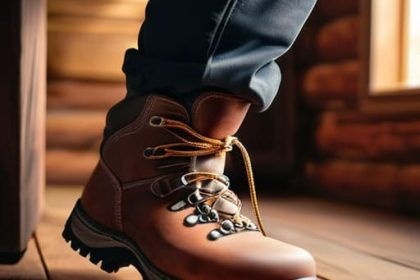
- Your footwear is not a suggestion; it is your primary safety system. I’ve led groups where people showed up in “trail runners” for a weekend in the Lake District, and by 3:00 PM, they were struggling with blisters and wet feet. I personally stick to Meindl Borneo boots—I’ve put about 400 miles on my current pair over the last two years—because the ankle support and the way they handle boggy terrain are non-negotiable when the path disappears.
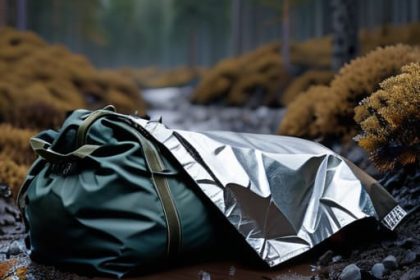
- Learn to read a weather forecast for what it isn’t saying. A “sunny interval” in a press release often means a ten-minute window of light between two massive fronts. When you’re packing your gear, assume the worst-case scenario for wind chill, not the average temperature. I always pack a dedicated emergency bivvy sack; I haven’t had to use mine in a crisis yet, but I’ve carried it through every single expedition since 2015 because the “what if” is too heavy to ignore.
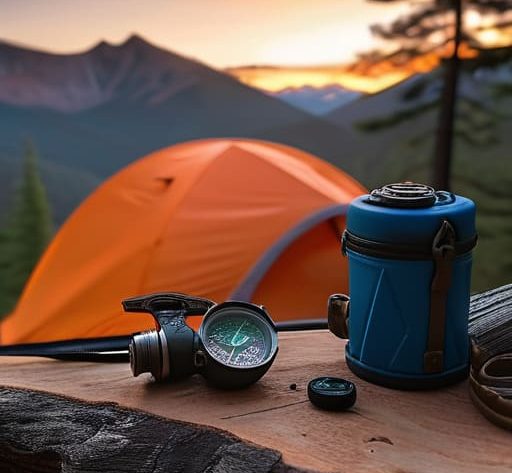
- Navigation is about more than just a GPS signal. I’ve seen phone batteries die in twenty minutes because the temperature dropped unexpectedly. I always carry a physical OS map and a compass, and I’ve spent more time practicing with them in the dark than I have with any electronic device. If you can’t find your way back using paper and a bit of grit, you shouldn’t be carrying a tent in the first place.
The Final Check
At the end of the day, your kit list isn’t about collecting expensive gadgets; it’s about managing the gap between a clear forecast and a sudden ridge-line gale. We’ve covered the layers that actually breathe, the shelter that won’t buckle under a heavy soak, and the lightweight essentials that won’t break your back when the terrain gets technical. If you take nothing else away from this, remember that gear is only as good as your ability to use it when you’re cold and tired. Don’t buy something brand new the night before a trip and expect it to perform; test your stoves, check your seam tape, and make sure you actually know how to pitch that tent in the dark. Reliability beats weight every single time when the weather turns.
There is a specific kind of quiet that you only find when you’re miles from the nearest road, tucked into a sleeping bag while the wind howls outside. It’s the reason we do this. But that peace is a privilege earned by making the right decisions before you even leave the car. Respect the daylight, respect the weather, and never let optimism override your common sense. If you prepare properly, the mountains will give you exactly what they promised. If you don’t, they won’t care. Pack well, watch the clouds, and I’ll see you on the trail.