I remember a group I led back in 2014, halfway up a scree slope in the Cairngorms, when the leader decided he could “power through” a sudden drop in temperature. He was breathing like a broken bellows, his face a shade of purple that signaled his heart was working harder than his brain. He thought he could beat the weather by sprinting, but he was actually just borrowing energy from his future self—and the interest rate on that debt is brutal when the mist rolls in. Most people think learning how to pace yourself uphill is about some complex breathing technique or a high-tech heart rate monitor, but it’s actually much simpler and far more boring than that. It’s about managing your capacity before you’ve actually hit the wall.
I’m not here to sell you on a specific brand of electrolyte tabs or a “revolutionary” gait technique I saw in a glossy magazine. Instead, I’m going to tell you how I’ve managed my own energy over twenty-two years of walking in horizontal rain and heavy packs. We’ll talk about the uncomfortable reality of slowing down when you feel like you should be moving faster, and why your rhythm matters more than your speed.
Table of Contents
Managing Heart Rate on Climbs Before the Redline Hits
The problem with most people I lead isn’t a lack of fitness; it’s a lack of restraint. They hit the first significant incline with too much momentum, trying to power through the grade, only to find themselves gasping for air twenty minutes later. Once you hit that redline, your decision-making capacity drops faster than the temperature on a ridge. Managing heart rate on climbs isn’t about being slow; it’s about finding that steady, rhythmic state where you can still hold a conversation without sounding like you’re dying.
If you feel your pulse thudding in your temples, you’ve already gone too far. I’ve spent years watching groups struggle because they ignored the early warning signs of redlining. Instead of fighting the slope, focus on your cadence for steep terrain. Shorten your stride, keep your weight centered, and don’t try to leap from step to step. I’ve used my Osprey Talon pack for over four hundred days across various terrains, and I’ve learned that a consistent, measured rhythm is always more efficient than a series of frantic bursts. Keep the engine steady, or the mountain will eventually force you to stop.
Energy Conservation During Hiking When the Grade Gets Ugly
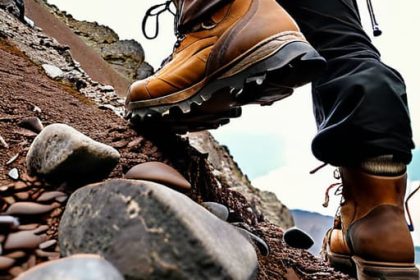
When the gradient shifts from a steady slope to something that feels like a staircase made of loose scree, your instinct is to lean into it and power through. That is exactly when you start losing the battle. I’ve seen too many groups hit a technical section with zero reserves left, simply because they treated every steep pitch like a sprint. Real energy conservation during hiking isn’t about moving slower; it’s about finding a rhythm that doesn’t leave you gasping for air ten minutes before the summit.
If the ground is uneven or the grade is punishing, stop trying to maintain a constant speed. Instead, focus on your cadence for steep terrain. I prefer shorter, more deliberate steps—shuffling rather than lunging. It keeps your center of gravity stable and prevents that heavy, jarring impact on your knees that drains your momentum. When the trail gets ugly, you aren’t racing the clock; you are managing your finite supply of fuel. If you can’t maintain a steady, rhythmic breath, you’ve already gone too hard. Slow down before the mountain forces you to.
The Small Adjustments That Keep You Moving When the Gradient Bites
- Watch the clock, not just the summit. I’ve seen too many groups lose their rhythm because they were trying to hit a specific time on the map. If you find yourself checking your watch every five minutes to see if you’re “on pace,” you’ve already lost the battle. Set a realistic arrival time for your next waypoint and adjust your speed to fit it, rather than trying to force a pace that leaves you gasping.
- Use your poles as stabilizers, not just pushers. I’ve spent fifteen years walking people up scree and wet grass, and the ones who treat their poles like extra legs always fare better. Don’t just plant them; use them to take a fraction of the weight off your quads. It’s about distributing the load so your legs don’t turn to jelly before you even reach the ridge.
- The “Three Steps, One Breath” rule for steep sections. When the path turns into a staircase of roots or loose stone, stop trying to maintain a conversational pace and start focusing on your breathing. If you can’t control your exhale, you’re going too fast. Slow the cadence down until your breathing matches your stride; it feels frustratingly slow at first, but it prevents that sudden, panicked spike in heart rate that leads to mistakes.
- Stop before you’re forced to. This is the hardest one for people to swallow. If you feel that heavy, dull ache in your thighs that tells you you’re redlining, stop for three minutes—not ten, not twenty. Drink some water, eat a handful of nuts, and reset. If you wait until you’re completely spent, you won’t be resting; you’ll be recovering, and recovery takes much longer than a tactical pause.
- Manage your layers before the sweat starts. I once led a group through a steep ascent in the Cairngorms where half the party ended up soaked through because they didn’t strip down before the climb. Once you’re sweating heavily, you’re losing heat the moment you stop. If the incline is getting serious, take off that mid-layer now. It is much easier to put a fleece back on than it is to dry a wet base layer when the wind picks up on the plateau.
The Cost of Optimism
I’ve seen too many people treat a steep ascent like a race they can win, only to realize halfway up that they’ve traded their mental clarity for a racing heart. When you push too hard, too early, you aren’t just tiring your legs; you’re losing the ability to read the clouds or notice when the terrain is changing underfoot, and that is exactly when things go wrong.
Bridget Halloran
The Long View
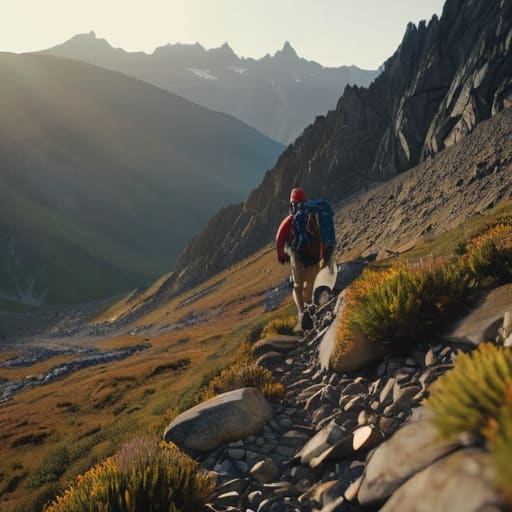
At the end of the day, pacing yourself isn’t about being the fastest person on the trail; it’s about ensuring you aren’t the person who has to call for help because you ran out of steam ten miles from the nearest descent. You have to watch your heart rate, manage those heavy, steep sections with deliberate steps, and keep your fuel intake consistent. If you find yourself gasping for air or feeling that frantic, jittery edge of exhaustion, you’ve already gone too far. The goal is to arrive at the ridge not just finished, but capable of making sound decisions when the wind picks up or the light begins to fail. Listen to your body before it starts shouting at you.
There is a specific kind of quiet satisfaction that comes from a well-managed ascent—the feeling of steady, rhythmic movement that carries you through the hardest miles without a crisis. The mountains aren’t going anywhere, and they certainly don’t care how quickly you reach the summit. I’ve seen too many people rush the climb only to spend the rest of their trip staring at their boots in misery. Instead, find your cadence, respect the grade, and embrace the slow grind. When you master your pace, you stop fighting the landscape and finally start actually seeing it.
Frequently Asked Questions
How do I know if I'm actually pacing myself or if I'm just moving too slowly to make it to the next waypoint before dark?
You check your watch, not your pulse. If you’re moving at a pace that feels “comfortable” but you’re consistently falling behind your planned arrival times at key landmarks, you aren’t pacing; you’re stalling. I’ve seen too many groups mistake a slow, heavy trudge for energy conservation. If the math doesn’t add up against the remaining daylight, stop being optimistic. Adjust your pace up now, or accept that your waypoint is staying in the dark.
When the weather turns and the wind picks up on a ridge, should I push harder to get over the climb or slow down to save energy for the descent?
When the wind hits a ridge, your priority shifts from efficiency to survival. Don’t try to power through it to “beat the weather.” High winds increase convective heat loss rapidly; if you push too hard, you’ll redline, sweat through your base layers, and then freeze the moment you stop. Slow down, steady your breathing, and focus on maintaining your core temperature. It’s better to arrive at the summit exhausted and dry than breathless and soaked.
At what point does a "quick snack" stop being a way to refuel and start becoming a dangerous distraction from my rhythm?
It becomes a distraction the moment you stop moving to find it. If you’re fumbling through a pack for a wrapper while the wind is picking up or the gradient is steepening, you’ve lost your rhythm and your focus. I’ve seen people sit down “just for a minute” to eat a bar, only to find the temperature has dropped ten degrees and their legs have gone cold. Eat on the move, or eat when you’ve already planned a proper stop.