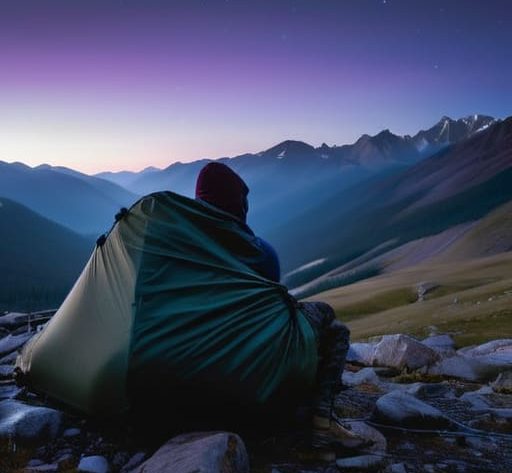
I remember a night on the Scafell Pike ridge back in 2014—the kind of night where the wind doesn’t just blow, it punches you. I was leading a group that had made the classic mistake of thinking a twenty-minute delay wouldn’t matter, only to find ourselves caught in a sudden, freezing deluge well after the light had failed. We weren’t in a tent; we were huddled in a scramble for shelter, and that was the moment I realized that knowing how to use a bivvy bag isn’t some niche survivalist hobby for the extreme—it is a fundamental bit of kit for anyone who refuses to let a change in weather become a crisis.
I’m not here to sell you on some ultra-lightweight, high-tech miracle that costs more than your first car. I’m going to tell you how these things actually perform when you are damp, exhausted, and shivering in a gale. I will give you the honest truth about moisture management, weight, and the critical mistakes people make when they try to sleep in one. If I haven’t spent at least three nights in a specific model under real pressure, I won’t recommend it. We’re going to focus on the practicalities that keep you warm and, more importantly, keep you moving the next morning.
Table of Contents
Bivvy Bag vs Tent Choosing Your Level of Exposure
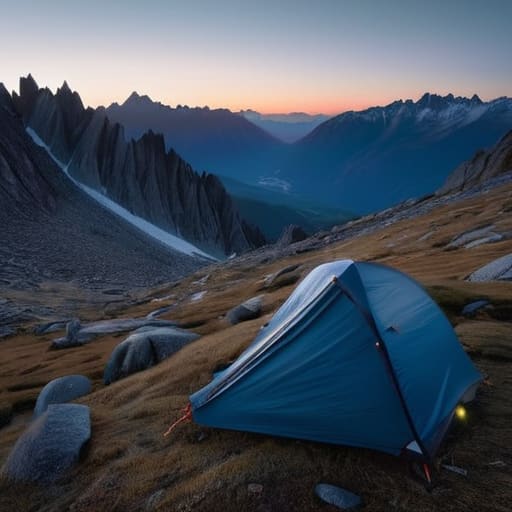
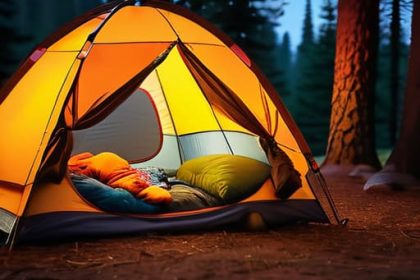
Choosing between a tent and a bivvy bag isn’t about which one is “better”; it’s about deciding exactly how much of the mountain you want to feel. A tent offers a psychological and physical buffer—a dry, predictable room where you can sit up, change your socks, and escape the wind. But that comfort comes with a weight penalty and a larger footprint. When I’m on a fast-moving ridge traverse or scouting for specific raptor activity in remote corners, I opt for the bivvy. It’s about minimizing your impact and your pack weight, accepting that you are essentially becoming part of the landscape rather than sitting on top of it.
However, you need to be realistic about the trade-off. The biggest hurdle with sleeping in a bivvy bag is the inevitable battle with dampness. Unless you are using a high-end, breathable fabric, you will deal with moisture. I’ve spent three nights in the Cairngorms using a lightweight nylon bivvy, and if you don’t understand bivvy bag condensation management, you’ll wake up in a cold, damp cocoon. A tent protects you from the elements; a bivvy bag just keeps the rain off your face while you negotiate with the humidity.
Emergency Survival Shelter Techniques for When Plans Fail
When you are using emergency survival shelter techniques, the goal isn’t comfort; it’s preventing the onset of hypothermia. If you find yourself forced into a bivvy because you’ve lost your tent or the wind has stripped your ability to pitch anything, you need to stop moving and assess your microclimate immediately. I’ve spent many a night huddled under a tarp in the Cairngorms when a planned traverse turned into a fight for warmth, and the first rule is to get off the bare ground. Even with a high-R-value mat, the earth will suck the heat out of you faster than any fabric can replace it.
Once you are settled, you have to address the inevitable: bivvy bag condensation management. I’ve used the SOL Escape Bivvy for over fifty outings in varying degrees of damp, and if you don’t vent it, you’ll wake up in a cold, salty puddle of your own breath. It isn’t just about staying dry from the rain; it’s about minimizing moisture in the bag so your sleeping bag doesn’t become a heavy, sodden sponge. Crack the top slightly or use the integrated vents; it feels counterintuitive to let air in when you’re freezing, but it’s the only way to stay dry enough to survive the morning.
Five Realities of Sleeping in a Bivvy
- Manage your breath or you’ll wake up in a puddle. I’ve spent ten nights in the lightweight breathable models from Sea to Summit, and even then, if you’re breathing directly into the bag, you’re going to deal with condensation. Keep your mouth near the exit or use a buff to catch the moisture; otherwise, you’ll spend the morning peeling yourself out of a damp sleeping bag.
- Don’t trust the bag to do the insulation work. A bivvy is a wind and moisture shield, not a heater. I’ve seen people try to use a thin emergency foil bivvy as their primary shelter, and it’s a mistake. You need a high-quality sleeping mat underneath you; the ground will leach the heat out of your body faster than any piece of fabric can put it back.
- Site selection is everything when you’re low to the ground. When I was working as a ranger, I saw too many people pitch up in depressions or hollows because they looked “sheltered.” In a heavy downpour, those hollows become micro-streams. Find a slight rise, even if it means more wind exposure, because staying dry is more important than staying still.
- Check your ventilation before you settle in. It’s tempting to zip it all the way up to feel safe from the wind, but that’s how you end up in a damp, cold mess. I always leave a small gap at the top for airflow. If you’re using a non-breathable heavy-duty bivvy—the kind I keep in my emergency kit for mountain rescues—you have to be even more disciplined about this.
- Pack your boots outside or at the very top. I’ve made the mistake of stuffing wet, muddy boots into the bottom of the bag to save space, and it’s a nightmare. Not only does it ruin your sleeping bag’s loft, but the cold moisture from the leather will seep through. Keep them tucked near your head or just outside the bag where you can grab them in the dark.
The Margin for Error
“A bivvy bag is not a way to enjoy the outdoors; it is a way to survive a mistake. I’ve spent twelve years carrying one in my pack for the exact moment my optimism about a weather window meets the reality of a freezing, horizontal gale, and if you haven’t practiced getting into one while your fingers are numb and the wind is trying to peel you off the ridge, you don’t actually own one.”
Bridget Halloran
The Final Layer of Safety
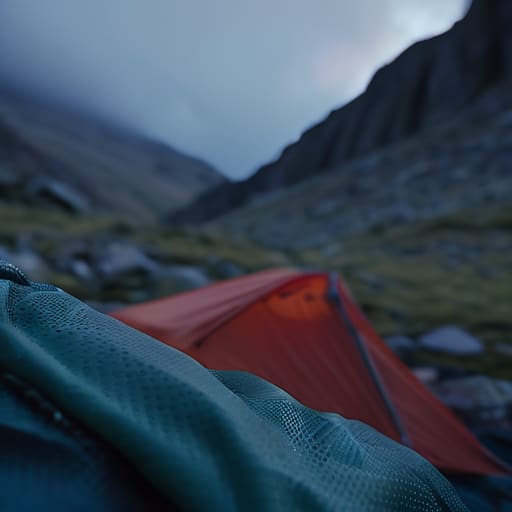
At the end of the day, a bivvy bag is a piece of kit that demands respect and a bit of humility. It isn’t a magic shield against the elements, but it is a vital tool for managing your microclimate when the situation shifts. Whether you are using a lightweight breathable version for a fast-and-light ridge scramble or a heavy-duty emergency bag for a night spent waiting out a storm, remember that moisture management is everything. If you don’t manage your breath and sweat, you’ll wake up in a cold, damp shell, regardless of how expensive the fabric is. Keep your layers appropriate, keep your footprint small, and always remember that the bag is there to buffer the gap between you and a very harsh environment.
I’ve spent two decades watching the weather turn on a dime, and I’ve seen how a single, misplaced bit of optimism can change a walk into a survival situation. A bivvy bag in your pack doesn’t make you invincible, but it provides a margin of error that most people don’t realize they need until they are staring at a darkening sky. Don’t wait for the clouds to break or the wind to howl to decide if you’re prepared. Respect the mountain, carry the right gear, and know that being prepared for the worst is exactly what allows you to truly enjoy the best.
Frequently Asked Questions
How do I stop my own breath from turning the inside of the bag into a damp, freezing mess?
It’s the classic bivvy trap: you stay dry from the rain, but you end up soaking from the inside out. I’ve spent three nights in a lightweight sil-nylon bivvy during sleet in the Cairngorms, and if you don’t manage your breath, you’ll wake up in a cold puddle. Use a moisture-wicking base layer—never cotton—and try to exhale away from your face. If it’s a long night, keep a small gap at the top for airflow.
If I'm using a bivvy for an unplanned night out, do I still need to carry a sleeping mat to stay warm?
Yes. If you skip the mat, you’re essentially inviting the ground to suck the heat right out of your core. I’ve spent many a night in a bivvy on damp granite, and even with a high-tog bag, the thermal conduction from the earth is relentless. I’ve used my Therm-a-Rest NeoAir for five seasons in everything from summer valleys to freezing summits; it’s non-negotiable. Without that air gap, you aren’t sleeping; you’re just shivering in a bag.
Is a lightweight emergency foil bivvy actually worth the space, or is it just a glorified space blanket?
I’ve carried both, and there is a massive difference. I used a standard foil sheet during a forced stop on a ridge in the Cairngorms last November—it was useless; the wind shredded it in seconds and it offered zero protection from the wet. A proper, heavy-duty emergency bivvy bag, like the SOL Escape, has enough structure to actually trap a pocket of air. It’s not just a blanket; it’s a barrier. Keep the bag, ditch the sheet.