I was halfway up a scree slope in the Cairngorms last October, trying to track a pair of golden eagles through a sudden, stinging sleet, when my “professional-grade” mirrorless setup decided it had had enough. The lens housing wasn’t just cold; it was practically icing over, and the touchscreen became a useless, frozen slab of glass the moment my gloves came on. It’s a frustrating reality that most gear reviews completely ignore: a camera might boast a massive sensor, but if you can’t operate the dials with numb fingers or if the battery dies the second the temperature drops below zero, it’s just expensive dead weight in your pack. Learning how to choose a camera for the outdoors isn’t about chasing the highest megapixel count; it’s about finding something that won’t fail you when the weather turns sideways.
I’m not here to recite spec sheets or repeat the glossy promises you’ll find on a manufacturer’s website. Instead, I’m going to talk about the things that actually matter when you’re miles from the nearest road: weather sealing that actually works, weight distribution that won’t wreck your shoulders on a long ascent, and how intuitive those buttons feel when you’re shivering. I’ll tell you what I’ve carried through horizontal rain and what I’ve left behind in the kit room, because my goal is to make sure your gear is an asset, not a liability, when the mountain decides to test you.
Table of Contents
Rugged Camera Durability vs the Reality of a Downpour
Manufacturers love to throw around terms like “weather-sealed” as if it’s a magic shield, but you need to understand what that actually means when you’re standing on a scree slope in the Lake District. I’ve spent fifteen years watching people rely too heavily on waterproof camera ratings only to find their electronics dead by the time they reached the valley floor. A rating might tell you a device can handle a splash, but it won’t tell you how the seals react to the fine, driving mist that comes with a sustained low-pressure system.
I’ve carried the OM System Tough series through three different autumn storms over the last two seasons, and while they handle the direct soak well, the real test is the grit. It’s the fine silt and the freezing condensation that usually wins. If you are investing in serious landscape photography gear, don’t just look at the IP rating; look at how the buttons feel when your hands are numb and wet. If you can’t operate the dials without looking, the “durability” doesn’t matter much when the light is fading and the wind is picking up.
Understanding Waterproof Camera Ratings Before You Get Wet
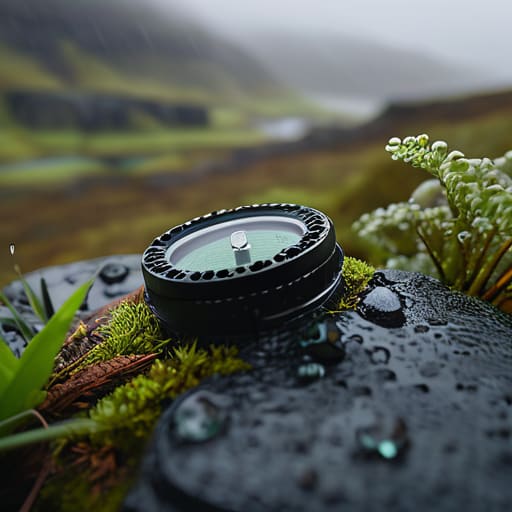
Manufacturers love to throw around terms like “weather-sealed” or “waterproof” as if they mean the same thing, but they don’t. I’ve seen too many people trust a spec sheet only to find their gear dead in a peat bog. When you’re looking at waterproof camera ratings, you need to understand the distinction between a camera that can handle a light mist and one that can survive a proper Scottish deluge. Most of the time, “weather-sealed” just means there are rubber gaskets around the buttons and dials to stop a bit of spray from getting in. It is not an invitation to go swimming.
I’ve carried several different setups over the last decade, and I’ve learned that true reliability comes from knowing exactly where the limits are. If you are looking at compact travel cameras, don’t assume they can handle a sudden change in pressure or a heavy downpour just because the box looks tough. I once spent six hours in a persistent, driving rain with a supposedly sealed setup, and while the body held, the moisture eventually found its way into the battery compartment. Always assume the rating is the best-case scenario, not the reality of a ridge in November.
Five things that actually matter when you're mid-route
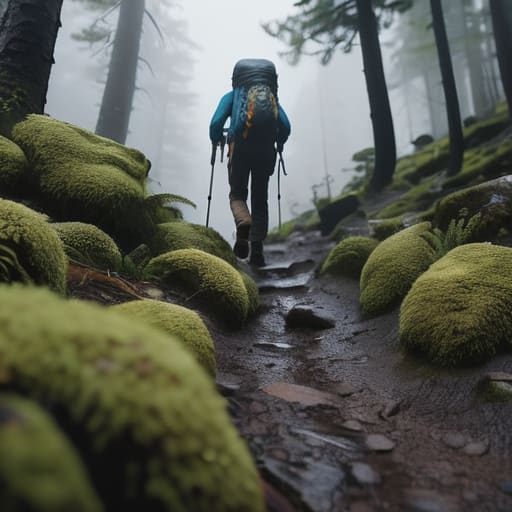
- Prioritise tactile controls over touchscreens. I’ve spent many an afternoon trying to navigate a menu with gloves on during a frost, and if you can’t operate the dials by feel alone, that camera is just a heavy paperweight in your kit bag.
- Check the weight of the glass, not just the body. I’ve carried a compact setup for three years through the Cairngorms, and I can tell you that an extra 400g of lens weight feels like a lead weight by day four of a long trek.
- Look for optical stabilisation, not just digital. When you’re standing on a scree slope or trying to steady yourself in a crosswind, digital smoothing won’t save a blurry shot of a peregrine; you need physical movement compensation.
- Don’t ignore the battery life in the cold. I’ve seen perfectly good setups die in twenty minutes because someone forgot that lithium-ion batteries hate a temperature drop as much as I do; always carry a spare in an internal pocket close to your body heat.
- Evaluate the carrying system before you buy. A camera is useless if it’s buried at the bottom of a pack; I only use gear that can be accessed via a side zip or a dedicated harness without me having to strip off my layers and sit down on a damp rock.
The Cost of a Press Release
“A manufacturer will tell you a camera is ‘weather-sealed’ based on a controlled laboratory test, but they won’t tell you how the dial feels when it’s caked in frozen grit or how the touchscreen behaves when you’re shivering in a gale. I don’t care about the spec sheet; I care about whether I can actually operate the shutter when the light is failing and the rain is turning to sleet.”
Bridget Halloran
The Final Check
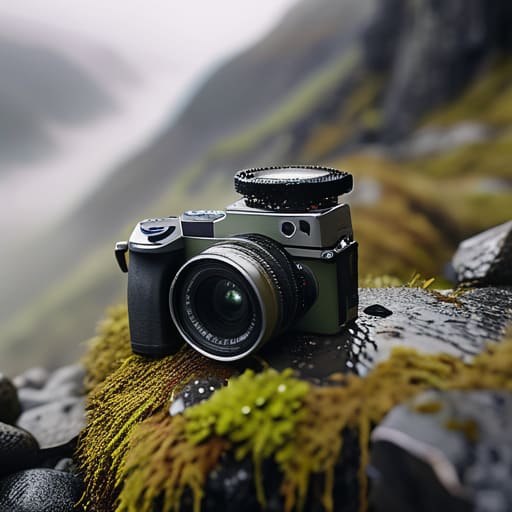
At the end of the day, choosing a camera isn’t about finding the one with the most impressive spec sheet or the highest megapixel count; it’s about finding the one that won’t become a useless weight in your pack when the mist rolls in. You need to weigh the trade-offs between a heavy, tank-like body that can survive a tumble in the scree and a lightweight setup that won’t exhaust you on a long ascent. I’ve seen too many people carry professional-grade gear they’re actually too afraid to use in real conditions, and I’ve seen others struggle with flimsy plastic that fails the moment a bit of grit gets into the lens housing. Focus on the practicality of the interface, the reliability of the weather sealing, and whether you can actually operate the buttons while wearing gloves.
Ultimately, the best camera is the one that stays out of your way and lets you focus on what’s actually happening in front of you. Whether you’re tracking a peregrine falcon on a ridge or just watching the light change over a valley, the goal is to capture the moment without letting the equipment dictate your movement. Don’t let the pursuit of the perfect kit become another optimistic decision that leads to frustration. Pack what you know, trust your training, and remember that the view is always better than the photo, no matter what you’re shooting it with.
Frequently Asked Questions
How much extra weight am I actually going to feel in my pack when I'm five hours into a steep ascent?
Every gram feels like a kilogram once your heart rate is up and the incline hits double digits. I’ve carried a heavy DSLR through the Cairngorms in a gale, and by hour five, that extra 400g isn’t just a number; it’s a dull ache in your shoulders that makes you question every decision you’ve made that day. Don’t trust the spec sheet. If it doesn’t fit the weight you’ve budgeted for the ascent, leave it.
If I'm carrying a heavy DSLR, how do I stop the condensation from fogging the lens every time I step from a warm tent into the morning frost?
The mistake is moving too fast. I’ve spent many mornings in a sleeping bag, staring at a lens that looked like it was underwater because I rushed out to catch the dawn light. Don’t pull the camera straight from your pack. Keep it in its bag inside the tent for twenty minutes to let the temperature equalize. If you’re already out, seal it in a large, airtight dry bag before you step into the warmth. It’s about managing the transition, not fighting the physics.
Is it worth investing in a dedicated waterproof housing, or should I just rely on a high-quality rain cover and hope for the best?
If you’re just walking a well-marked trail in the Lake District on a misty Tuesday, a high-quality rain cover is plenty. But I’ve sat through three-hour sessions in driving sleet where a cover just becomes a sodden, heavy mess that lets moisture seep in at the seams. If you’re planning a multi-day ridge scramble or working in high-wind environments, buy the dedicated housing. It’s the difference between a dry sensor and a very expensive paperweight.