I once watched a group of well-meaning weekend warriors try to figure out how to canoe camp while they were actively drifting toward a reed bed in a darkening swell. They had all the high-end, lightweight titanium gear you could throw at them, but they hadn’t a clue about waterline stability or how a shifting load in the hull can turn a peaceful paddle into a frantic scramble for dry clothes. Most of the advice you find online focuses on which expensive gadget will make you look the part, rather than the reality that your biggest enemy isn’t a lack of tech, but the fundamental physics of managing weight and moisture in a moving vessel.
I’m not here to sell you on a lifestyle brand or a shiny new kit list. My goal is to show you how to canoe camp by focusing on the things that actually matter when the wind picks up and your campsite is twenty minutes of heavy paddling away. I’ll be talking about specific gear I’ve actually used in heavy rain—including the exact weight of my dry bags—and the unsexy logistics of site selection and load distribution. If I haven’t personally tested a piece of equipment in a real-world, wet-and-cold scenario, I won’t tell you to buy it.
Table of Contents
Mastering Your Canoe Camping Gear List Before the First Mist
The mistake most people make is treating a canoe like a car boot. You can’t just shove a dry bag in and hope for the best; you have to think about how the load shifts when you hit a crosswind or a technical rapid. I’ve spent fifteen years managing gear for groups, and I’ve seen more trips derailed by a poorly balanced boat than by actual rapids. You need to focus on packing a canoe for weight distribution, keeping the heaviest items low and centered. If your gear is sliding around the floorboards, you’re fighting the boat instead of reading the water.
Then there is the matter of moisture. I’ve spent ten years testing various dry bag systems in the Lake District, and I can tell you that “water-resistant” is a lie when you’re sitting in a damp hull for six hours. You need absolute confidence in waterproofing camping equipment before you leave the slipway. I always use heavy-duty, roll-top PVC bags for my sleeping system, regardless of the forecast. If your sleeping bag gets damp because a seam failed, your trip isn’t just uncomfortable—it’s a safety issue.
Waterproofing Camping Equipment Because Wet Layers Arent Fun
I’ve spent more than a decade watching people realize, halfway through a river bend, that their “waterproof” dry bags are actually just heavy-duty plastic bags that leak at the seams. There is a specific kind of misery that comes from pulling a sodden sleeping bag out of a pack at dusk; it’s a cold, heavy weight that stays in your bones long after you’ve built a fire. When it comes to waterproofing camping equipment, don’t trust a single layer. I use a double-bagging system: I put my sleeping bag and spare clothes in a lightweight compression sack, and then I shove that entire sack into a heavy-duty, roll-top dry bag. I’ve used this specific setup through fourteen seasons of unpredictable weather, including three days of relentless rain in the Highlands, and I have never once woken up damp.
It isn’t just about the bags, though; it’s about how you manage your canoe camping gear list when the water starts rising. If you are practicing portaging techniques for beginners, you need to remember that every time you lift that boat, you risk a splash or a tip. If your gear isn’t secured in watertight canisters, you aren’t just risking a wet kit—you’re risking your safety.
Five Mistakes That Turn a River Trip into a Long Walk Home
- Don’t trust a single dry bag for your sleeping bag. I’ve spent fifteen years watching people pack a single large dry bag, only to find that once it’s stuffed to capacity, the seal isn’t perfect, or the bag gets crushed under a heavy cooler. I use two medium-sized bags for my bedding: one for the sleeping bag itself, and a smaller, heavy-duty one for my thermal layers. If you only have one, double-bag it. It’s extra weight, but it’s lighter than a hypothermic night.
- Plan your campsites based on the river’s movement, not just the prettiest view. I’ve seen too many groups paddle until the light is failing, trying to find that “perfect” flat bank, only to end up pitching on a gravel bar that’s going to be under six inches of water by 3:00 AM. If you haven’t scouted the landing or seen a clear, high-ground spot by mid-afternoon, you stop paddling. The river doesn’t care about your itinerary.
- Weight distribution is your primary safety tool. It isn’t just about keeping the boat stable; it’s about how the boat handles when you need to avoid a submerged log or a sudden crosswind. I always pack my heaviest, densest items—water, food, tools—as low as possible and centered. I’ve been using a specific dry-bag-packing system for four seasons now, and it’s the difference between a boat that feels responsive and one that feels like a heavy, unmanageable barge.
- Carry more water than you think you need, but keep it accessible. It sounds counterintuitive when you’re surrounded by a river, but filtering water takes time and energy you might not have if you’re exhausted or if the weather turns. I carry two 1-litre bottles in the side pockets of my PFD rather than tucked deep in the hull. If you’re dehydrated, your decision-making slows down, and in a canoe, slow decisions lead to capsizing.
- Learn to read the water’s “mood” before you commit to a line. A calm surface can hide a shallow rock or a strainer that will snag your hull instantly. I spent years as a ranger watching how water moves around obstacles, and the lesson is always the same: if you can’t see the bottom clearly or if the surface looks “wrong,” don’t force it. It is much easier to portage a heavy canoe for twenty minutes than it is to recover a wet, heavy gear haul from a riverbed.
The Cost of Optimism
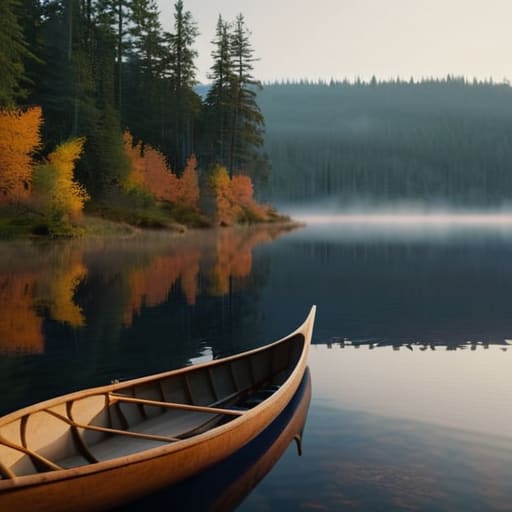
Most people think canoe camping is about the scenery, but it’s actually about the weight of your mistakes. If you pack for a sunny afternoon on the lake instead of the storm that hits the shoreline at 4:00 PM, you aren’t just uncomfortable—you’re potentially stranded in a wet sleeping bag with no way to dry out.
Bridget Halloran
The Reality of the River
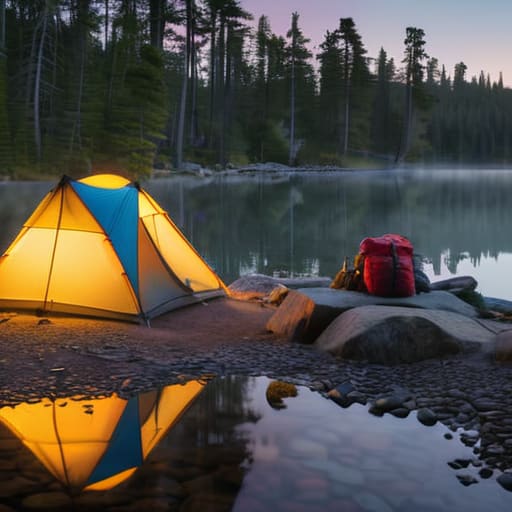
At the end of the day, successful canoe camping isn’t about having the most expensive ultralight kit; it’s about managing the variables you can actually control. You need to have your gear dry before you even touch the water, your weight distribution planned so the boat doesn’t feel like a chore, and a realistic understanding of how quickly a calm river can turn into a logistical nightmare. I’ve sat in damp sleeping bags in the middle of the night, listening to rain hit a poorly pitched tarp, and I can tell you that the decisions you make on the bank dictate exactly how much you’ll enjoy the scenery once you’re actually on the move. Focus on the waterproofing, respect the weight limits, and never underestimate the power of a dry set of base layers.
There is a specific kind of quiet that you can only find when you’ve drifted into a remote cove, far from any road or signal, with nothing but the sound of the water against the hull. It is a hard-won peace that comes from knowing you are prepared for the elements rather than just hoping they stay away. The river doesn’t care about your itinerary, but if you respect its rhythm and prepare for its moods, it will reward you with views that no hiking trail can match. Go out there, but leave the optimism at the campsite and bring the preparation instead. That is how you turn a potential disaster into a memory you’ll actually want to keep.
Frequently Asked Questions
How do I calculate if my canoe can actually handle the weight of my gear and water without sitting too low in the current?
You don’t calculate it with a spreadsheet; you calculate it with your eyes and your hips. I’ve spent fifteen years loading canoes, and if you’re guessing, you’ve already lost. Check your manufacturer’s maximum capacity, then subtract 20% for safety. Load the heaviest items—water and food—low and centered. If the gunwales are sitting within six inches of the waterline before you even push off, you’re too heavy. You’ll lose stability the moment the current picks up.
What is the best way to manage food storage to keep it dry and away from wildlife when I don't have a solid campsite?
When you’re moving or stuck on a riverbank, you don’t have the luxury of a raised platform. I’ve spent twelve years hauling gear through damp environments, and the rule is simple: everything goes in a dry bag, but your food gets its own dedicated, heavy-duty roll-top. Don’t rely on a single bag for everything; if a seal fails, you don’t want your sleeping bag smelling like beef jerky. Keep the food bag clipped to the most inaccessible part of the canoe. It’s about making the “reward” for a curious otter or a hungry raccoon more effort than it’s worth.
How do I read a river or lake forecast to know when a "gentle breeze" is about to turn into a dangerous situation on the water?
Don’t trust the word “gentle.” I’ve seen a 10mph breeze turn into a localized gale on a lake in twenty minutes because the topography funnels the wind. Look at the gust speeds, not the average. If the forecast shows gusts hitting 15-20mph, that “gentle” surface is about to become a chop that will swamp a loaded canoe. If you can’t see the wind’s direction on the water’s surface, you’re already behind.