I once spent three hours on a ridge in the Cairngorms watching a group of well-equipped walkers descend into a very preventable kind of misery, all because they thought a handful of expensive, electrolyte-infused gummy bears counted as a proper plan. There is so much nonsense out there, filled with high-tech powders and “performance” gels that cost a fortune, when most people are actually just suffering from a simple, predictable lack of fuel. This isn’t a complete guide to hydration and nutrition outdoors designed to sell you a specific brand of overpriced salt tablets; it’s about understanding how your body actually behaves when the temperature drops and the wind starts biting.
I’m not here to give you a marketing brochure. Instead, I’m going to tell you what I’ve learned from twenty-two years of walking people through the grit and the rain—the stuff that actually matters when you’re five hours from the car. I will talk about the weight of the water you actually need to carry, the specific foods that don’t turn to lead in your stomach when you’re cold, and why your timing is more important than your gear. This is about the boring, essential logistics that keep you moving when the weather decides to change the plan.
Table of Contents
Preventing Dehydration in Extreme Heat Before the Sun Dips
When the temperature climbs and the sun is beating directly onto a south-facing slope, your body starts losing water faster than you can logically track. I’ve spent many afternoons in the Cairngorms where the heat felt heavy and stagnant, and if you wait until you feel thirsty, you’ve already lost the battle. Preventing dehydration in extreme heat isn’t just about carrying a bigger bladder; it’s about a constant, disciplined rhythm of sipping. I’ve used my 2L Osprey reservoir for roughly four seasons now, mostly on long summer traverses, and I’ve learned that if I don’t take a sip every twenty minutes, I’ll hit a wall of fatigue before the afternoon descent even begins.
Water alone often isn’t enough when you’re sweating heavily. You need to consider electrolyte replacement during hiking to keep your muscles from cramping and your head from throbbing. I usually carry a small stash of salt tablets or a dedicated electrolyte powder that I’ve tested in high-humidity environments over the last three years. If you’re just flushing your system with plain water without replacing those salts, you’re essentially diluting your ability to stay functional, and that’s when the mistakes—the wrong turns or the missed footing—start to happen.
Optimal Water Intake for Athletes When the Ridge Gets Steep
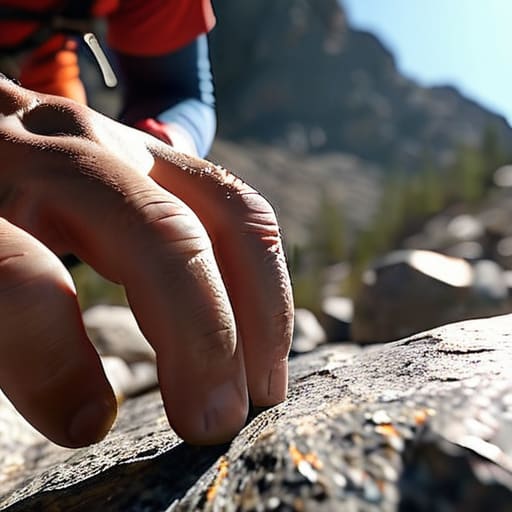
When the gradient shifts from a steady slog to a technical scramble, your metabolic demand spikes and your breathing pattern changes. I’ve led groups through steep, rocky terrain where the effort is so high that the thought of swallowing a mouthful of water feels nauseating. This is where people fail. They wait until they feel parched, but by then, the cognitive fog has already set in. To maintain optimal water intake for athletes in these high-exertion windows, you cannot rely on gulping large amounts at the summit. You need to sip consistently, even when the heart rate is pinned.
As the incline steepens, your body isn’t just burning fuel; it’s losing salt through sweat that you can’t always feel in the wind. Relying on plain water alone during a heavy ascent can lead to a dangerous dilution of your system. I’ve spent years testing various mixes, and I’ve found that incorporating electrolyte replacement during hiking is non-negotiable when the terrain gets technical. I use a specific salt-heavy tablet in my bladder—I’ve carried this exact setup through three seasons of heavy mountain work—and it keeps the cramping at bay when the descent is just as taxing as the climb.
Managing the Fuel Before the Fatigue Sets In
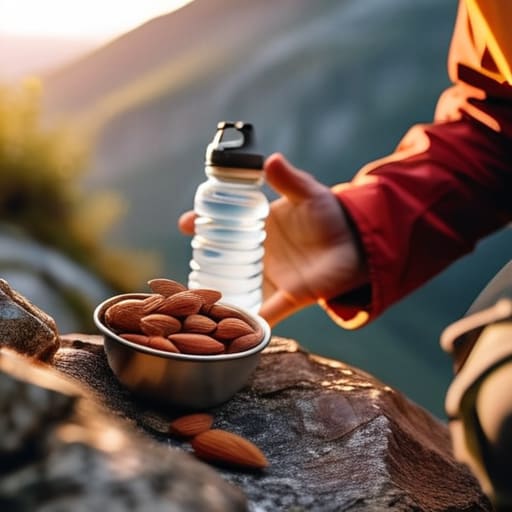
- Eat for the descent, not just the climb. I’ve seen too many people burn through their glycogen on a summit push, only to find they have nothing left for the technical footing on the way down when their legs are shaking. Pack a high-density, slow-release carb like oatcakes or dense nut bars for the long stretches, and save the quick sugars for when you actually feel that specific, hollow dip in your energy.
- Stop waiting for thirst to be a signal. By the time your mouth feels dry, your decision-making is already starting to slip. I carry a 1.5-litre bladder that I’ve used every single week for three years in everything from humid valleys to freezing wind; if I haven’t taken a sip in twenty minutes, I force myself to take one. It’s about maintaining a baseline, not reacting to a crisis.
- Don’t overlook the salt. If you’re sweating through a base layer on a steep ascent, plain water isn’t enough; you’re flushing out electrolytes and inviting cramps. I use electrolyte tablets in my secondary bottle—I’ve tested them through four seasons of heavy training—and they make a massive difference in preventing that heavy-limbed, foggy-headed feeling that comes from salt depletion.
- The ‘Small and Frequent’ rule beats the ‘Big Lunch’ every time. Trying to sit down and eat a heavy sandwich in the middle of a ridge scramble is a recipe for indigestion and a massive energy crash. I prefer carrying small, calorie-dense snacks in my hip belt pockets so I can graze every hour. It keeps the blood sugar steady without the lethargy of a full stomach.
- Weight is a variable you can’t ignore, but neither is accessibility. I once led a group where the person with the most nutrition was the one who had buried their snacks at the very bottom of a 50L pack. If you have to stop, unpack, and reorganize just to get a handful of dried fruit, you won’t do it. Keep your immediate fuel in a pocket you can reach while standing up; if it’s not easy, you’ll skip it, and that’s when the mistakes start.
The Cost of a Late Lunch
I’ve sat on too many ridges watching people’s faces go from focused to glassy-eyed just because they waited until they were ‘properly hungry’ to eat; by then, your brain is already miscalculating the distance to the descent, and that’s when the mistakes start happening.
Bridget Halloran
The Bottom Line on Fuel and Fluid
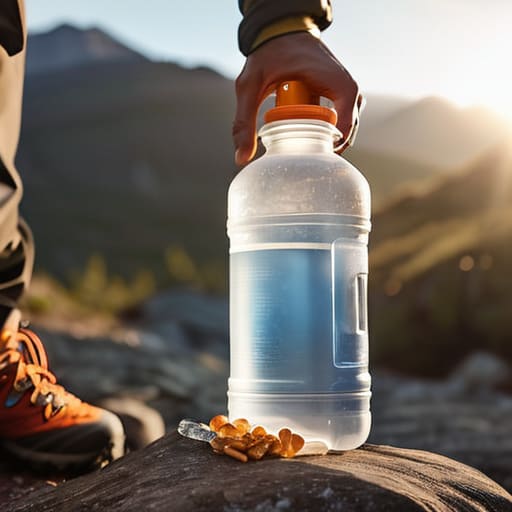
At the end of the day, managing your intake isn’t about hitting some perfect, scientific number on a spreadsheet; it’s about recognizing the subtle shifts in your own body before they become emergencies. Whether you are managing electrolytes during a heatwave or trying to keep your blood sugar stable while grinding up a steep ascent, the principle remains the same: don’t wait for the symptoms to arrive. By the time you feel the headache of dehydration or the heavy-legged fatigue of a missed lunch, you have already lost your margin for error. I’ve seen too many people push through that initial fog, only to find themselves making dangerous decisions when the weather turns or the light fades.
The mountains don’t care about your fitness levels or how much gear you’ve packed; they only care about how you handle the reality of the environment. Proper nutrition and hydration are simply tools in your kit, just as vital as your map or your waterproofs. If you treat your body with the same respect you give the terrain, you’ll find that the “boring” task of eating a handful of nuts or taking a sip of water every twenty minutes is what actually buys you the freedom to enjoy the view. Stay ahead of the hunger, stay ahead of the thirst, and you’ll be in a much better position to turn back safely if the mountain decides it’s had enough of you.
Frequently Asked Questions
How do I balance the weight of carrying extra water against the risk of running dry if the weather turns and the route takes longer than planned?
It’s the classic trade-off: weight versus safety. I’ve carried 3kg of water on a planned six-hour loop, only to have a mist roll in and turn it into a ten-hour slog. You don’t carry extra water for the route you planned; you carry it for the route that happens. I use a 2L bladder and a 500ml hard bottle. It’s an extra 2.5kg, but I’d rather sweat that weight than face a hypoglycemic collapse on a descent.
At what point does adding electrolytes actually become necessary versus just drinking plain water during a long day on the hills?
If you’re just a casual walker on a damp afternoon, plain water is fine. But once you’ve been moving for more than three hours, or if you’ve been sweating through a base layer on a steep ascent, you need to switch. I’ve carried the Precision Hydration tablets through four seasons of heavy-duty trekking—mostly in high-humidity climbs—and they stop that hollow, lightheaded feeling you get when you’re just flushing salts out of your system.
What are the best high-calorie foods that won't freeze solid or become impossible to eat when I'm shivering in a windbreak?
When the wind is biting and your hands are losing dexterity, you can’t be faffing with frozen chocolate bars or hard energy gels. I’ve spent many a winter evening in a bivvy bag wishing I’d packed something softer. Stick to nut butters in pouches, soft oat bars, or even dried fruit. I’ve used these specific nut butter packets for three seasons in sub-zero conditions; they stay pliable enough to squeeze directly into your mouth without needing a spoon.