I was standing on a damp, wind-scoured ridge in the Cairngorms last October when I watched a group of well-meaning hikers strip a patch of wild garlic so bare it looked like a crime scene. They had all the expensive, lightweight titanium trowels and the latest waterproof shells, but they had absolutely no idea how to forage responsibly. They thought they were connecting with nature, but they were actually just stripping the life out of it for a quick photo op. It’s the same pattern I see constantly: people treating the hills like a supermarket shelf rather than a living, breathing, and incredibly fragile ecosystem that requires respect, not just a basket.
I’m not here to sell you a masterclass or a fancy foraging kit you don’t need. My goal is to give you the unvarnished truth about what it actually takes to harvest from the wild without leaving a scar. I’ll be talking about the boring, essential stuff—the identification rules that keep you out of the hospital, the seasonal rhythms you have to respect, and why knowing when to walk away is the most important skill you can develop. No hype, just the practical reality of being a guest in the wild.
Table of Contents
A Foraging Plant Identification Guide for the Unprepared
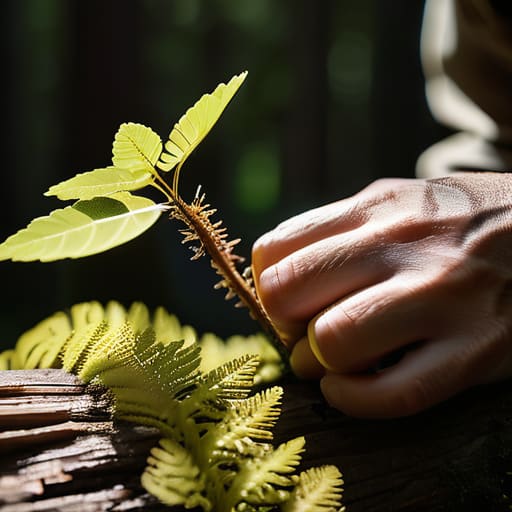
If you’re looking for a quick checklist to skim while you’re halfway up a ridge, you’re going to have a bad time. A real foraging plant identification guide isn’t just about matching a leaf shape to a drawing in a book; it’s about understanding the nuances of the plant’s environment. I’ve seen too many people mistake hemlock for wild carrot because they were rushing to catch the light, and that is a mistake you only make once. You need to look at the stem, the root structure, and even the way the leaves are arranged on the stalk. If you aren’t 100% certain, you leave it in the ground. Period.
Beyond the botany, you have to consider the broader picture of ecosystem preservation through foraging. I spent years as a ranger watching people strip a patch of nettles or wild garlic until the soil was bare and the local insect populations took a hit. You aren’t just taking a snack; you are participating in a biological exchange. Always take only what you need, and never take the first plant you see. If you can’t identify ten others of the same species in the immediate vicinity, you aren’t ready to harvest.
Safe Wild Edible Plants and the Cost of Being Wrong
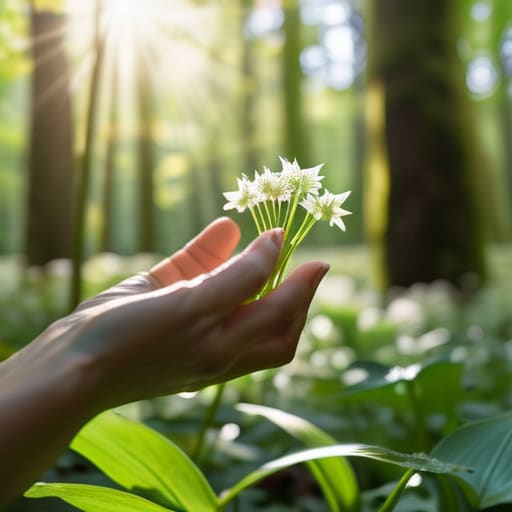
If you’re looking for a list of guaranteed wins, look elsewhere. In my experience, the safest way to approach safe wild edible plants is to stick to the ones that are difficult to mistake for anything toxic. I’ve spent years tracking bird populations, and I can tell you that the ecosystem is a delicate balance; if you strip a patch of wild garlic because you were hungry and rushed, you aren’t just taking a snack, you’re removing a vital resource for the local fauna. I always tell my clients: if you aren’t 100% certain, the only correct decision is to leave it alone.
The real danger isn’t just the physical sickness, though that’s a valid concern; it’s the mental fatigue that comes from second-guessing yourself in the field. I’ve carried a lightweight field guide in my pack for twelve years, through gale-force winds and soaked through by sleet, and I still find myself double-checking the leaf margins. Practicing ethical wild harvesting practices means having the discipline to walk away. It is better to go home with an empty stomach than to spend a night in a casualty report because you were too optimistic about your ability to tell a hemlock from a parsley.
Five Rules for Not Ruining the Hill (or Yourself)
- Leave enough for the locals. I’ve spent years counting nesting birds and watching how the ecosystem reacts to human interference; if you strip a patch of wild garlic bare, you aren’t just taking lunch, you’re stripping a food source for everything else. Take a fraction, leave the rest to seed, and never, ever harvest a plant that looks like it’s struggling to survive in the first place.
- The “One-Hundred-Percent Rule” is the only one that matters. If you are even ten percent unsure about an identification, it stays in the ground. I have seen people try to “reason” their way through a mistake because they were hungry or tired, and that is exactly how you end up in an A&E waiting room instead of a campsite.
- Respect the legal boundaries and the quiet zones. Just because something is growing doesn’t mean it’s yours to take. Some areas are protected for a reason—often to protect the very species I spend my life tracking—and trampling through a sensitive habitat just to grab a handful of berries is a bad decision that stays with the landscape long after you’ve gone home.
- Carry a proper kit, not just a kitchen knife. I’ve used my Opinel No. 8 for over a decade in everything from damp peat bogs to high-altitude wind, and it’s the only thing I trust for clean cuts. Using dull or improper tools damages the plant and the soil; if you want to forage responsibly, you need to do it with precision, not brute force.
- Check the ground before you check the plant. I cannot stress this enough: foraging in areas near roadsides or heavily grazed paths is a gamble with chemicals and contaminants. You don’t want to be eating something that has been absorbing runoff or heavy metals; if the site looks “used,” move on.
The Weight of a Single Mistake
“Foraging isn’t about what you can take from the hill; it’s about what you can leave behind without the ecosystem noticing. You have to respect the plant’s right to exist more than your own hunger, because once you strip a patch or misidentify a toxic lookalike, you haven’t just ruined your afternoon—you’ve broken a link in a chain you didn’t even know was there.”
Bridget Halloran
The Long View
At the end of the day, responsible foraging isn’t about how much you can pull out of the ground; it’s about what you leave behind. You have to balance your hunger against the health of the patch, ensuring you never take the first plant you see, and more importantly, never take the last one. We’ve talked about the heavy price of misidentification and the necessity of absolute certainty before anything touches your lips. If you find yourself staring at a leaf and feeling even a flicker of doubt, you drop it. There is no prize for being brave when it comes to toxicity, and the most important tool in your kit isn’t a knife or a basket, but your own discipline.
Foraging changes how you see the landscape. Once you start learning the rhythms of the seasons and the specific needs of a habitat, the hills stop being just scenery and start being a living, breathing system that you are a part of. It is a slow, quiet way to move through the world, and if you do it right, you aren’t just a consumer—you become a steward. Respect the limits of the land, and it will continue to provide for those who follow. Walk lightly, observe closely, and remember that the best foragers are the ones who leave the ecosystem exactly as they found it.
Frequently Asked Questions
How much of a plant can I actually take before I've done more harm to the local patch than the ecosystem can handle?
The rule of thumb I live by is the one-tenth rule. If you aren’t taking less than ten percent of what’s in a patch, you’re essentially strip-mining, not foraging. I’ve seen people clear-cut a patch of wild garlic in twenty minutes; that’s not a snack, that’s an ecological wound. If you can’t see the ground beneath the plants after you’ve finished, you’ve taken too much. Leave enough for the birds, the insects, and next year’s growth.
What’s the best way to handle a situation where I've identified something correctly but realize I'm actually in a protected area or a sensitive nesting site?
You stop. Right there. If you realize you’ve wandered into a SSSI or a sensitive nesting site, the plant doesn’t matter anymore. I’ve spent years monitoring raptor nests, and I can tell you: a single person standing too close can ruin a season of breeding. Even if you’re certain of your find, leave it. Backtrack the way you came, stay on the established path, and find your edible elsewhere. The plant isn’t worth the ecological cost.
If I’m out on a long-distance route, how do I balance the need for fresh food with the reality of carrying extra weight or risking contamination?
On a long-distance route, weight is your enemy, but so is a stomach bug. I’ve carried a lightweight dried meal for ten days straight through the Cairngorms without a single issue, and I’d do it again. If you’re foraging, treat it as a supplement, not a primary source. Only pick what you can identify with 100% certainty and wash it thoroughly. One bad decision with a wild plant can end your trip faster than a broken ankle.