I once spent four hours huddled under a granite overhang in the Cairngorms, watching a group of very expensive, very optimistic hikers shiver uncontrollably because they’d prioritized “softness” over actual moisture management. They were wearing high-end cotton blends that felt lovely in the shop but turned into ice-cold sponges the moment they started sweating on the ascent. Most people think learning how to choose base layers is about finding the most expensive brand or the softest fabric, but that’s a dangerous way to look at it. If your base layer can’t move sweat away from your skin while you’re working hard, you aren’t just uncomfortable—you are actively inviting hypothermia the second you stop moving.
I’m not here to sell you on a marketing campaign or tell you that a specific logo will keep you warm. Instead, I’m going to break down the actual mechanics of weight, fiber, and breathability based on twenty-two years of getting wet in the hills. I’ll tell you exactly what I’ve used during multi-day treks in freezing rain and what I’ve learned about why certain synthetics fail where merino succeeds. We’re going to skip the fluff and focus on the technical reality of how to choose base layers that actually do their job when the weather turns.
Table of Contents
Balancing Breathability vs Warmth Before the Chill Sets in
The mistake I see most often isn’t people being too cold; it’s people getting too hot. You’re working hard on a steep ascent, your heart rate is up, and you feel fine. But then you stop for a sandwich or the wind picks up on a ridge, and suddenly that sweat you’ve been building is turning into a sheet of ice against your skin. This is where the trade-off between breathability vs warmth becomes a matter of safety rather than just comfort. If your base layer can’t move moisture away from your body, you aren’t just damp—you’re losing core temperature at an accelerated rate.
I’ve spent the last four seasons testing different merino blends against heavy-duty synthetics in the Lake District, and there is no one-size-fits-all answer. For high-output days where you’re moving constantly, I lean toward a lighter fabric weight for cold weather with superior moisture wicking properties. I’ve used a 150gsm merino-synthetic hybrid for three years straight in everything from drizzly valley walks to freezing scrambles, and it handles the transition better than anything else in my kit. If you prioritize insulation over moisture management, you’re just setting yourself up for a very miserable descent.
Understanding Moisture Wicking Properties When You Start Sweating
The real danger isn’t usually the cold itself; it’s the dampness that follows a steep ascent. I’ve spent too many afternoons watching groups stop for a break only to realize they’ve turned their own sweat into a refrigerated layer of ice. This is where the moisture wicking properties of your base layer become your most important piece of kit. If your fabric holds onto water—which cotton does, stubbornly and dangerously—you are essentially wearing a cold, heavy sponge that will sap your core temperature the moment you slow down.
I’ve relied on a specific 150g merino-synthetic blend for the last four seasons, testing it through everything from humid valley walks to freezing ridge scrambles in the Cairngorms. While the wicking capabilities of synthetic fabrics are technically superior for moving moisture quickly, I find the merino blend offers a more reliable sense of thermal regulation when the wind picks up. It doesn’t matter how expensive your shell is if your first layer is working against you. You need a fabric that moves sweat away from your skin immediately, ensuring your layering system for hiking actually functions when the exertion stops and the temperature drops.
Five Hard Lessons from the Ridge: What Actually Matters
- Forget the “all-rounder” myth. If you’re heading into a high-wind, high-exertion environment, choose a lightweight merino blend that prioritizes moisture transport over sheer bulk; I’ve spent three days on the Cairngorms in a heavy fleece base that felt great until I started climbing, at which point I was soaked through and shivering within twenty minutes.
- Check the seam construction before you head out. I’ve worn the same Patagonia Capilene base layer for four seasons of heavy use in varied conditions, and the flatlock seams are the only reason I don’t have chafing after a ten-hour day of moving through damp heather.
- Beware the “cotton trap” at all costs. It sounds obvious, but I’ve seen enough group members try to save weight by packing a cotton tee, only to watch them go from “comfortable” to “hypothermic” the moment they stopped moving for a lunch break in the rain.
- Test your layers for “cling factor” when damp. A good base layer should move with you, not bunch up around your armpits or waist; I’ve used a specific Buff merino mid-weight for three years of winter ML training, and its ability to stay put even when saturated is why it stays in my kit list.
- Plan for the temperature drop at sunset. Your base layer isn’t just for when you’re working; it’s for when you stop. If you’re planning a ridge walk that ends in the dark, ensure your base layer has enough thermal properties to handle the static chill of a mountain evening.
The Cost of a Bad Decision
I’ve stood on a ridge in a sudden downpour, watching a client shiver because they thought a cotton thermal would be ‘cozier’ than merino; they didn’t realize that once cotton gets wet, it stays wet, and in those conditions, that’s not just a discomfort—it’s a fast track to hypothermia.
Bridget Halloran
The Final Layer of Logic
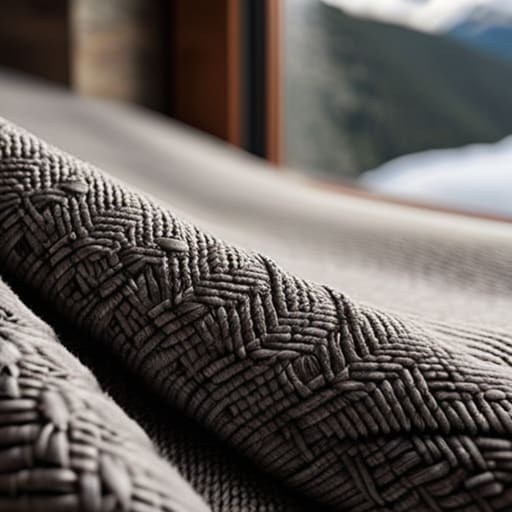
At the end of the day, choosing a base layer isn’t about finding the most expensive fabric on the shelf; it’s about understanding the specific relationship between your sweat rate and the ambient temperature. You need to weigh the moisture-wicking speed of a synthetic against the reliable, steady warmth of merino wool, and you need to do it before you’re standing on a ridge in a gale. Remember that breathability and thermal regulation are two sides of the same coin. If you prioritize warmth but ignore how well that layer moves moisture away from your skin, you’ll end up damp, and in the mountains, damp is just another word for cold. I’ve spent twenty years watching how different blends perform when the humidity climbs and the wind picks up, and I can tell you that consistency in your layering system is what prevents a minor chill from becoming a genuine emergency.
The mountains don’t care about your gear list, but they certainly respond to it. When you get your base layers right, you aren’t just staying comfortable; you are maintaining the ability to make clear-headed decisions when the weather shifts or the light begins to fail. I want you to be thinking about the route ahead or the raptor circling the crags, not about the shivering sensation creeping up your spine because your shirt is soaked through. Invest in quality, test your kit in the rain before you head out on a long trek, and always respect the transition between sun and storm. If you prepare for the worst-case scenario with the right foundation, the best-case scenarios become much more enjoyable.
Frequently Asked Questions
Is it actually worth the extra money to go for merino wool if I'm mostly doing day hikes rather than multi-day treks?
If you’re just doing a four-hour loop and heading straight to the car, a synthetic blend is fine. But if that “quick day hike” turns into a late afternoon scramble because the clouds rolled in faster than the forecast promised, you’ll want the merino. I’ve worn the Smartwool Classic Series for three seasons, mostly in damp, windy conditions in the Lake District, and it doesn’t lose its thermal properties when it gets heavy with sweat. It’s worth the extra tenner for the peace of mind alone.
How do I know if my base layer is actually working if I don't feel "wet" against my skin?
If you aren’t feeling a damp chill, the layer is doing its job. A good base layer shouldn’t feel “wet”; it should feel efficient. I’ve spent hundreds of hours in soaked cotton during sudden downpours, and that’s when the danger starts. If you feel dry while your heart rate is up, the fabric is successfully moving moisture away from your skin. If you start feeling heavy or clammy, your layering system has already failed you.
Can I safely layer a synthetic base layer under a fleece, or will that just trap too much moisture?
You can, and in most cases, you should. I’ve spent the last fifteen winters wearing a 150g synthetic base layer under a heavy fleece during multi-day treks in the Cairngorms, and it’s a reliable setup. The synthetic moves sweat away from your skin, and the fleece provides the loft to trap heat. Just don’t expect it to be a magic fix if you’re working too hard; if you’re soaked, you’re soaked.