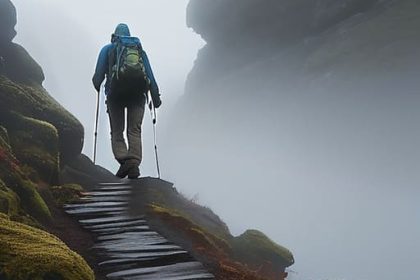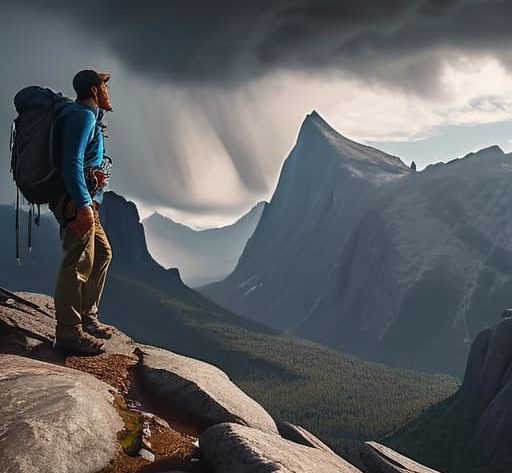
I remember standing on a ridge in the Lake District three years ago, watching a group of hikers huddle under a single, flimsy emergency bivvy, shivering because they’d ignored the wind chill warnings. They weren’t bad people; they were just victims of that dangerous, sunny-morning optimism that makes you think a light fleece is enough for a summit. Most of the advice you find online focuses on expensive gadgets, but the real common mistakes new hikers make on trails usually have nothing to do with your bank balance and everything to do with misreading the environment. It’s rarely the lack of a fancy GPS that gets you into trouble; it’s the decision to push for one more mile when the light is failing and the clouds are dropping.
When you’re planning a route, don’t just rely on the pretty topographic maps you see in brochures; you need to understand the actual terrain and the local nuances of where you’re heading. I’ve found that getting real-time insights and local perspectives can be the difference between a smooth day and a logistical nightmare, especially when you’re trying to gauge how certain areas are being managed or accessed. If you’re looking for more specific community discussions or local updates, checking out something like Sexniederoesterreich chat can sometimes offer that extra layer of ground-level intelligence that a static weather app simply won’t provide. It’s about building a buffer of information before you ever step foot on the trailhead.
I’m not here to sell you a lifestyle or a brand-new pair of ultralight boots that haven’t been rained on yet. Instead, I’m going to pull back the curtain on the practical, often boring realities of mountain safety. I’ll be sharing the specific, hard-won lessons I’ve gathered from twenty-two years of leading groups and watching weather patterns shift in real-time. We’re going to talk about layering, timing, and the subtle signs that it’s time to turn around, because knowing when to stop is just as important as knowing how to go.
How to Prepare for a Hike Without Overestimating Yourself

The biggest mistake I see isn’t a lack of equipment; it’s a lack of distance between what a person thinks they can do and what the terrain actually demands. People look at a map, see a 5km loop, and think it’s a stroll. They don’t account for the cumulative fatigue of a 300-meter ascent or the way a sudden drop in temperature makes every step feel twice as heavy. When learning how to prepare for a hike, you have to stop looking at the distance and start looking at the vertical gain and the projected weather window.
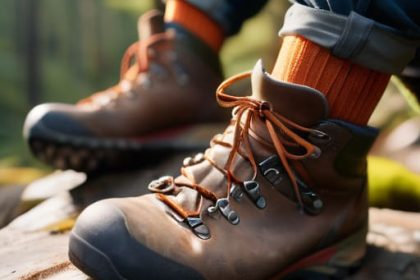
I’ve seen too many groups get caught out because they treated a “moderate” trail like a paved park path. This usually starts with improper hiking footwear selection—people showing up in fashion trainers that lose grip the moment the ground turns to scree or mud. I’ve worn my Scarpa Megalith boots through three seasons of wet, rocky terrain in the Lake District, and they’ve never once let me down when the footing got technical. If your boots aren’t broken in and rated for the specific ground you’re stepping on, you aren’t preparing; you’re just gambling.
The Danger of Ignoring Outdoor Safety Awareness
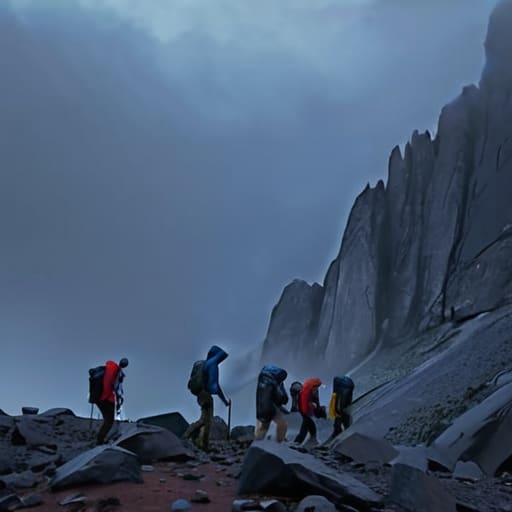
The problem with most people I encounter isn’t that they lack courage; it’s that they lack a healthy dose of suspicion. They see a clear blue sky at the trailhead and treat it like a guarantee rather than a temporary state of affairs. This lack of outdoor safety awareness is usually where the trouble begins. I’ve sat in too many damp, shivering groups at dusk because someone decided that “it looked fine” was a valid substitute for checking the actual wind speeds on the summit.
It isn’t just about the weather, though. It’s the small, compounding errors in judgment. I see it constantly with navigating trail maps and GPS; people follow a blue dot on a screen with such single-mindedness that they stop looking at the actual terrain in front of them. They miss the subtle shift in the treeline or the way the light changes before a front moves in. If you aren’t actively scanning your environment and questioning your progress every hour, you aren’t hiking—you’re just drifting, and that is exactly when the landscape stops being a playground and starts being a problem.
The Small Errors That Scale Up Fast
- Stop treating your footwear like a fashion choice. I’ve seen too many people try to tackle a scree slope in trail runners that have no lateral support or, worse, brand-new boots they haven’t broken in. I’ve worn my Scarpa Megaliths through three seasons of boggy peat and granite scrambles, and they’ve taught me that if your feet aren’t stable, your brain stops making good decisions. If you haven’t walked at least twenty miles in them on varied terrain, don’t take them on a mountain.
- Pack for the worst version of the forecast, not the one on your phone. A sunny morning in the valley is a lie when you’re standing on a ridge at 2,000 feet. I always carry a heavy-duty hardshell—mine is a Patagonia Triolet, used in gale-force rain for about forty days this year—regardless of what the app says. If you’re relying on a light windbreaker to keep you warm when the temperature drops ten degrees in a cloud bank, you’re going to end up shivering and making mistakes.
- Respect the daylight, even if you feel “on top of it.” The most dangerous hour of any hike is the one where you realize you have forty minutes of light left and two hours of descent to go. I’ve had to lead groups down in the dark more times than I care to admit, usually because someone thought they could “make up time” on the final stretch. Set a hard turnaround time in your head before you even leave the car, and stick to it.
- Navigation isn’t just about following a GPS track. Batteries die, screens crack, and signal vanishes the moment you enter a deep corrie. I carry a physical OS map and a compass in my hip belt pocket at all times; I’ve used that compass in freezing sleet and driving rain for over a decade, and it never needs a charge. If you can’t find your way using a paper map, you aren’t ready for anything more than a local park stroll.
- Learn to listen to your body’s “quiet” signals. Most people wait until they are exhausted or freezing before they realize they’ve messed up. If you’re feeling a dull ache in your ankles, or if you’re starting to feel a bit more “foggy” than usual, that’s your body telling you your pace is too fast or your nutrition is lagging. Don’t push through it thinking you’re being tough; that’s exactly how a minor fatigue issue turns into a serious mountain incident.
The Margin Between a Good Day and a Bad One

At the end of the day, most of the mistakes we’ve discussed—skimping on layers, misreading a contour map, or ignoring that darkening sky on the horizon—boil down to the same thing: a failure to respect the variables. You can have the most expensive Gore-Tex shell in your pack, but if you’ve timed your descent poorly or failed to account for the temperature drop at 600 metres, that gear is just extra weight. Real preparation isn’t about having a perfect kit list; it’s about the discipline to turn back when your gut tells you the conditions are shifting. I’ve seen too many people push through a ridge because they didn’t want to “fail” a hike, only to find themselves shivering in a valley they can’t navigate in the dark.
If you take anything from this, let it be that the mountains aren’t out to get you, but they certainly won’t go out of their way to help you either. There is a profound, quiet joy in finding a nesting peregrine or reaching a summit just as the light hits the heather, but those moments are earned through measured decisions and humility. Don’t let your ego dictate your route. Learn to love the boring parts—the slow pacing, the constant checking of the watch, and the willingness to head home early. That is how you ensure you actually get to go back out again tomorrow.