I once spent four hours in a sodden valley near Mam Tor, trying to convince a group of otherwise capable adults that their brand-new, ultralight titanium stoves were useless because none of them had brought a way to actually light them in a gale. It’s a common mistake: people treat gear lists like a shopping spree rather than a survival strategy. When you are figuring out how to choose kit for a group, the temptation is to look at the shiny brochures and the “must-have” lists from influencers who mostly walk on manicured trails. But group kit isn’t about individual vanity or having the lightest setup on the market; it’s about redundancy and reliability when the visibility drops to zero and the temperature takes a sudden, sharp dive.
I am not here to sell you on the latest carbon-fiber nonsense or tell you that you need a specific brand to have a good time. My approach is much more boring, and much more effective. I’m going to walk you through the logistics of shared gear based on what actually survives a week of horizontal rain and heavy use. I will tell you what works, what fails, and exactly how much weight you’re actually adding to the collective pack. This is about making decisions that keep the group moving, rather than decisions that leave you stuck in a tent, waiting for a storm to pass.
Table of Contents
Optimizing Group Gear Weight Without Sacrificing Safety
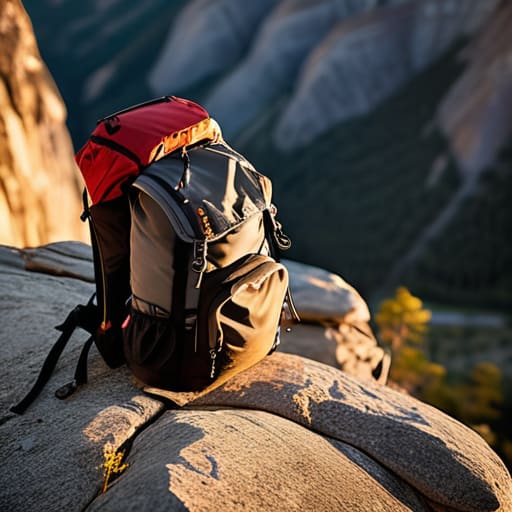
The biggest mistake I see when people start planning a trek is the “just in case” mentality. Someone brings three stoves, two heavy-duty tarps, and a massive first aid kit that nobody actually knows how to use. You end up with a pack that weighs 18kg before you’ve even added your own water, and that is how people start making bad decisions when the fatigue sets in. Effective group equipment allocation isn’t about having everything; it’s about ensuring the right things are shared. I’ve spent twenty years watching people struggle on ridges because they were too exhausted to move quickly, all because they were lugging around redundant weight.
To get this right, you need a strict kit inventory management system. I usually split the load into “shared” and “individual” categories. If you have a group of four, you don’t need four fuel canisters; you need one high-quality stove and a calculated amount of gas. I’ve used the MSR PocketRocket+ for over five seasons in everything from summer scree slopes to freezing, wet peat bogs, and it’s a perfect example of optimizing group gear weight—it’s light, reliable, and does one job perfectly. Assign the heavy, communal items—tents, stoves, and water filtration—to the strongest legs in the group, but never at the expense of a balanced load.
The Logistics of Shared Resources and Not Getting Caught Short
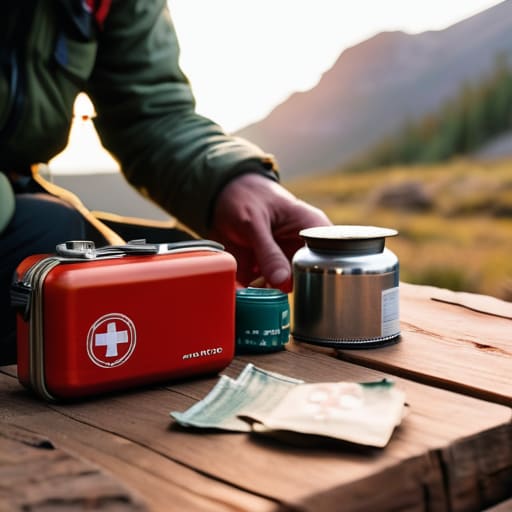
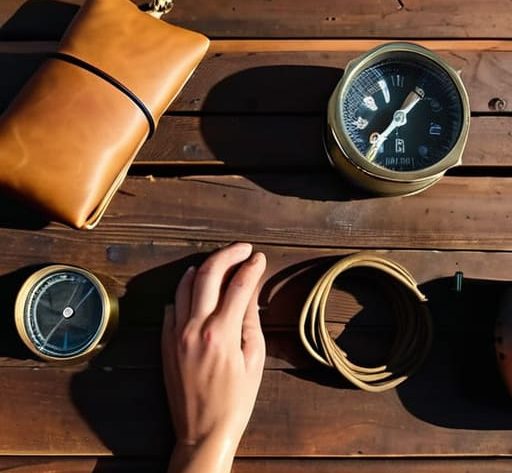
The problem with sharing gear isn’t usually the gear itself; it’s the assumption that everyone knows exactly what they are responsible for. I’ve seen too many groups stalled on a ridge because the person carrying the first aid kit thought the person with the map had the emergency shelter. Effective kit inventory management isn’t about having a fancy spreadsheet; it’s about a definitive, verbal agreement before the first boot hits the trail. You need to know who has the stove, who has the fuel, and—crucially—who has the means to light it when their fingers are too numb to work a lighter.
When you look at the logistics of shared resources, you have to account for the “single point of failure.” If you decide to split one large tent between four people to save weight, you are also deciding that if that one tent fails, the whole group is sleeping in the wet. I always suggest a bit of redundancy. I’ve carried a lightweight emergency bivvy for twelve years, through gale-force winds in the Cairngorms and soaked through in the Lake District, specifically because I don’t trust a single shared shelter to be the only thing standing between a group and hypothermia.
Five Hard Lessons from the Ridge: Practical Rules for Group Kit
- Audit for redundancy, not just similarity. It’s tempting to tell everyone to bring the same stove to save space, but if two people forget their fuel or a burner fails, you’ve lost your ability to boil water. I always insist on at least one completely different system—a different brand of stove or a secondary way to make tea—that sits in the group bag. I’ve spent too many cold evenings in the Cairngorms watching a group huddle around a single, malfunctioning jetboil.
- Standardize your first aid, but individualize your personal meds. The group kit needs to be robust—I carry a specific trauma kit I’ve used for over four hundred days in varied terrain—but you cannot rely on a group kit to cover someone’s specific allergy or daily prescription. I’ve seen “prepared” groups scramble because they assumed the leader had everyone’s specific needs covered. That’s a mistake that happens when people start being optimistic about their preparation.
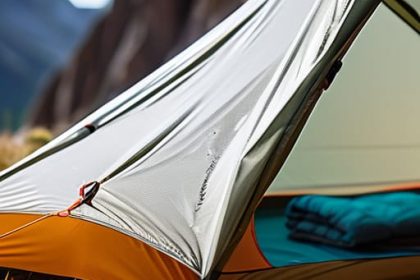
- Test the “common denominator” gear before you leave the trailhead. If you are sharing a group tent or a communal tarp, don’t let the first time you pitch it be at dusk in a rising gale. I’ve spent twenty years watching people struggle with complex pole systems while the wind is trying to lift them off the ground. If you haven’t pitched it in your garden or a local park at least three times, it doesn’t count as “tested.”
- Don’t let “lightweight” become a synonym for “fragile.” When choosing group kit, there is a massive difference between a piece of gear that is ultralight and a piece of gear that is poorly made. I’ve used the same heavy-duty Dyneema tarp for six seasons of high-wind crossings; it weighs more than some budget nylon versions, but it hasn’t ripped once. In a group setting, if the communal shelter fails, the whole trip is over.
- Manage the “Decision Fatigue” of kit distribution. Assign specific, heavy items to specific people well before you start walking. If you wait until you’re halfway up a steep ascent to decide who is carrying the heavy communal pot or the emergency shelter, you’ll make a bad decision based on who looks the least tired. I assign roles based on kit weight and individual fitness levels during the packing stage, not when the clouds are already turning grey.
The Fallacy of the "Just in Case" Pack
When you’re managing a group, your biggest enemy isn’t the terrain; it’s the false sense of security that comes from packing everything but the kitchen sink. I’ve seen groups stall on a ridge because they were too weighed down by ‘just in case’ gear to move quickly when the cloud base dropped, and I’ve seen them freeze because they shared a single, inadequate stove to save weight. You don’t choose kit based on the forecast you want; you choose it based on the margin of error you can afford when the weather turns and the daylight disappears.
Bridget Halloran
The Final Checklist
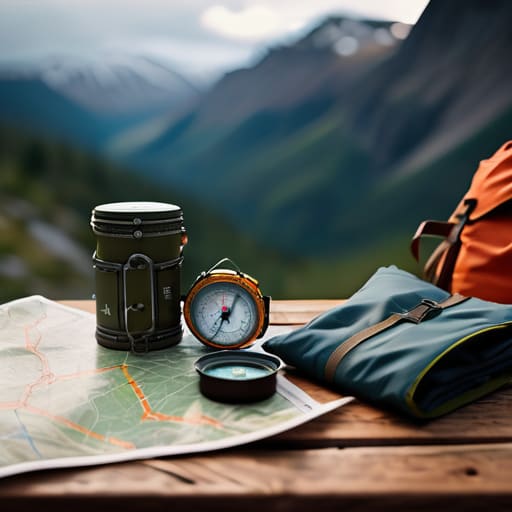
At the end of the day, choosing group kit isn’t about finding the most expensive technical gear or the flashiest lightweight prototypes; it is about the math of your margins. You have to balance the shared weight of the group tent against the individual capacity of your members, and you must ensure that your shared safety kit—the first aid, the emergency shelter, the navigation—is robust enough to handle the worst-case scenario, not just the sunny afternoon you’re currently walking through. If you have managed the weight, distributed the shared resources logically, and accounted for the inevitable weather shift, you have already done the hardest part of the job. Don’t let optimism override your inventory.
I’ve seen many groups start a route with high spirits and perfect gear, only to find themselves huddled under a single, inadequate tarp three hours later because they assumed the forecast was wrong. The mountains don’t care about your group’s enthusiasm or how much you spent on your kit. They only respond to the reality of the conditions. But if you do the boring work now—the checking, the weighing, and the planning—you buy yourself something far more valuable than comfort. You buy peace of mind, and you ensure that when the weather inevitably turns, your focus remains on the terrain and the birds above, rather than on the gear that failed you.
Frequently Asked Questions
How do I balance the need for group safety kit, like a heavy-duty first aid kit or emergency shelter, against the risk of making the leaders' packs too heavy to manage?
You don’t balance it; you distribute it. I’ve seen leaders crumble under a pack that’s too heavy, which is its own kind of safety risk. If you’re carrying the heavy-duty first aid kit, someone else carries the emergency shelter and the group stove. I’ve used the SilTarp 2.0 for three seasons in the Cairngorms—it weighs 400g and stays dry—and it’s much easier to split that weight among three people than to shoulder it all yourself.
If I'm organizing kit for a group with mixed experience levels, how much of the technical gear should I insist they provide themselves versus what I should supply as a standard?
I insist they provide their own boots, base layers, and mid-layers. If they don’t know how their own kit feels when they’re sweating or shivering, they won’t know when to adjust it. I supply the “safety net”: the group shelter, the first aid kit, and the emergency bivvy. I’ve seen too many beginners freeze because they relied on a leader’s gear while wearing cotton t-shirts. They own their comfort; I own their survival.
When sharing communal items like stoves or water filters, how do I ensure the kit is actually robust enough to handle multiple users without breaking halfway through the trip?
When you’re sharing a stove, you aren’t just sharing a tool; you’re sharing the group’s ability to eat and stay warm. I’ve seen lightweight canister stoves fail on day three because someone wasn’t careful with the threading in the wind. If you’re buying for a group, skip the ultralight “single-user” models. I’ve used the MSR WhisperLite in sub-zero conditions for fifteen seasons straight; it’s heavy, but it’s predictable. Buy for durability, not for the gram count.