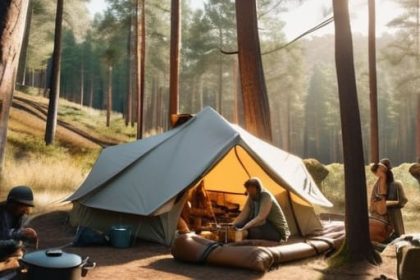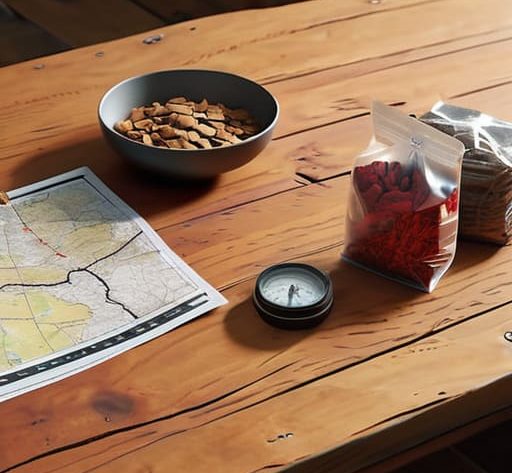
I remember sitting in a damp tent near the Cairngorms, staring at a half-empty bag of crushed oats and wondering if my math had been fundamentally broken. It wasn’t a lack of food that nearly turned that trip into a rescue mission; it was the optimism I’d carried into my calorie counts. Most guides make it sound like a simple math problem, but when you’re shivering in a gale, the reality of how to plan resupply on longer trips becomes much more about managing your own physical and mental decline. You can’t just plan for a sunny stroll; you have to plan for the day your body decides it’s done, even if your itinerary says you have twenty miles left.
I’m not here to sell you on fancy dehydrated meal subscriptions or complex spreadsheets that fall apart the moment you hit a muddy ridge. I’m going to talk about the uncomfortable logistics of real-world movement: how to weigh your options between carrying more weight and the risk of missed stops, how to handle cash and connectivity in remote villages, and how to calculate your burn rate based on actual conditions rather than a sunny forecast. This is about practical, boring, essential planning that keeps you moving instead of searching for a way home.
Table of Contents
Resupply Point Mapping Before Your Optimism Runs Out
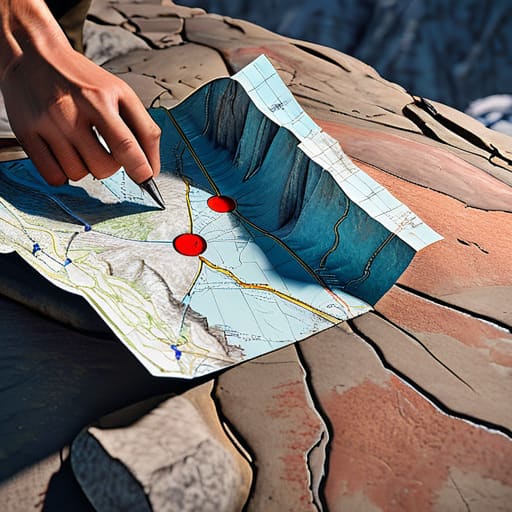
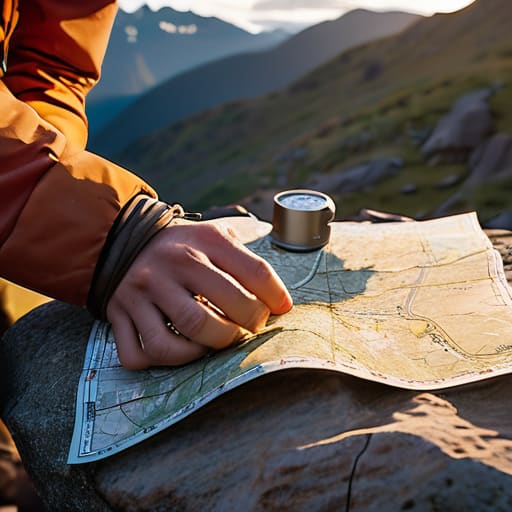
When I’m looking at a map for a multi-day stretch, I’m not just looking at the contour lines; I’m looking for the gaps between reliable food sources. Resupply point mapping isn’t about finding the prettiest village; it’s about identifying exactly where your caloric buffer ends. I’ve seen too many people treat a map like a suggestion, assuming they can just “wing it” if a shop is open. You need to plot your stops based on the actual terrain you’ll be covering, not just the mileage. If you have a brutal, high-altitude section coming up, you cannot afford to arrive at your next stop with empty stomach and zero energy reserves.
You also have to decide on your specific trail town grocery strategy well before you lace up. I personally prefer a mix; I’ll use a mail drop for the heavy, non-perishable staples to keep my pack weight manageable, but I always want a physical town resupply for the fresh bits. Relying solely on mail is a gamble—if a parcel goes missing in a heavy storm, you’re in trouble. I’ve spent three days eating nothing but crushed oats because a package was delayed by a flooded road. Plan for the worst-case scenario, not the sunny day.
Calorie Density for Long Treks and Managing Food Weight
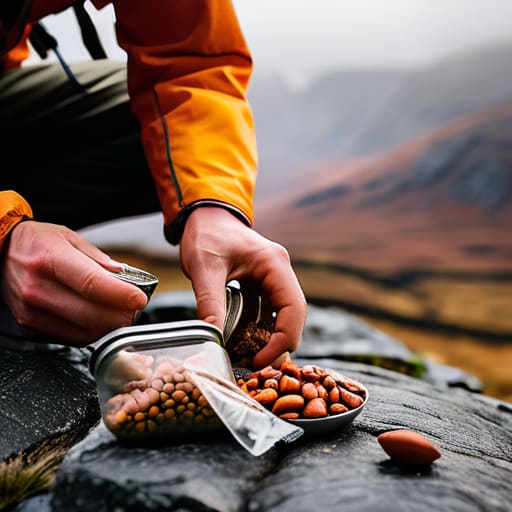
When you’re twenty miles into a three-day push through the Cairngorms in November, you don’t care about “flavor profiles”; you care about fuel. I’ve seen too many people pack heavy, water-dense foods—think canned goods or overly bulky snacks—only to find their pack weight has become a liability halfway through. The goal is high calorie density for long treks, aiming for that sweet spot where every gram of weight provides maximum energy. I personally look for a minimum of 450 calories per 100 grams. If it’s heavy and doesn’t provide a significant energy spike, it stays in the cupboard at home.
Managing food weight and bulk is also about volume. You can have the most caloric meal in the world, but if it requires a container the size of a helmet, you’re going to regret it by day four. I’ve spent years testing lightweight dehydrated meals; I’ve used the same brand of freeze-dried risotto for three seasons in varying degrees of damp and wind, and while the texture is mediocre, the weight-to-energy ratio is hard to beat. Don’t let the temptation of “real food” lead to a heavy pack that drains your reserves before you even reach the next waypoint.
Five Ways to Stop Your Food Plan From Falling Apart
- Trust the shop hours, not the Google Maps estimate. I’ve sat in a village shop at 4:45 PM only to find the shutters down and the owner gone for the week. If your resupply relies on a single corner shop in a remote valley, you need to verify those hours by phone or plan for a “buffer day” where you eat nothing but emergency rations.
- Factor in the “Decision Fatigue” calorie spike. You might calculate your burn based on a steady 400m ascent per hour, but when the wind hits 40mph on a ridge, your body burns significantly more just to stay warm. Always carry a 24-hour surplus of high-fat food that doesn’t require cooking; it’s the only thing that works when you’re too cold to fiddle with a stove.
- Map your resupply against actual daylight, not just distance. I’ve seen too many people aim to hit a resupply town at 6:00 PM, forgetting that a slow pace or a sudden downpour means they’ll be navigating the final five miles in the dark. If you arrive at a shop after sunset, you aren’t resupplying; you’re hungry and stuck.
- Weight isn’t just about the food; it’s about the packaging. I’ve used various lightweight dry bags for my rations over the last six years of leading groups, and the rule is simple: if you can eat it out of the bag, don’t carry the container. Every gram of unnecessary plastic is a gram you aren’t using to carry more actual fuel.
- Don’t assume “local” means “available.” Just because a map shows a village doesn’t mean it has a supermarket. I once spent three days living on half-eaten packets of oatcakes because I assumed a local post office would stock basic staples. If the map doesn’t explicitly show a grocery store, assume you’ll be eating what’s already in your pack.
The Danger of the Empty Pack
Most people plan their food based on the strength they feel on day one, but you need to plan for the person you’ll be on day ten—the one who is cold, tired, and staring at a map wondering if a village shop actually carries anything more substantial than a bag of crisps.
Bridget Halloran
The Reality of the Long Haul
At the end of the day, successful resupply isn’t about having a gourmet menu; it’s about the math of survival. You need to map your points with a heavy dose of skepticism, accounting for the reality that a closed village shop or a washed-out track can turn a planned stop into a crisis. Pair that with a strict focus on calorie density—prioritising fats and complex carbs over volume—and you’ve mitigated the biggest risk to your energy levels. Remember, never plan for the best-case scenario. If you build your logistics around the assumption that everything will go wrong, you’ll find that when things actually do, you have the physical and mental reserves to handle it.
There is a specific kind of quiet satisfaction that comes from being halfway through a long trek, knowing exactly where your next meal is coming from and feeling the strength in your legs because you didn’t skimp on the fuel. The planning might feel tedious when you’re sitting at a kitchen table, but that discipline is what earns you the right to enjoy the ridge lines and the silence of the high ground. Don’t let a lack of preparation rob you of the experience. Plan the boring parts meticulously, so that when you are finally out there, you can stop worrying about your stomach and start actually seeing the world around you.
Frequently Asked Questions
How do I adjust my resupply plan if the weather turns and I'm forced to move much slower than my planned daily mileage?
When the weather turns and your pace drops, your calorie burn doesn’t decrease; it often increases as your body fights the cold. If you’re moving slower, you’re staying out longer, which means you’re consuming more fuel just to maintain core temperature. Don’t try to stretch your existing rations to make up for lost time. If the forecast is deteriorating, shorten your next leg to reach a resupply point sooner. Better to arrive hungry than to run out of fuel in a gale.
What is the best way to handle food pickups if I'm relying on small village shops or post offices that might have limited stock?
Don’t assume a village shop has anything more than milk, bread, and a few tins of beans. I’ve been caught out by “well-stocked” corner shops that turned out to be nothing more than a confectionery counter. Always call ahead or use the post office to arrange a parcel delivery to a local hub. If you’re relying on what’s on the shelf, treat it as a bonus, not your primary calorie source.
Should I be planning my resupply based on a fixed number of days, or should I build in a buffer for when the terrain is more demanding than the map suggests?
Never plan for a fixed number of days. That’s how you end up eating cold, half-digested oats at 10:00 PM because a boggy valley or a headwind turned a six-hour leg into ten. I always build in a two-day buffer for the demanding stretches. I’ve seen too many people run dry because they underestimated the terrain. Plan for the worst day you might have, not the best one the map promises.