I was standing on a ridge in the Cairngorms last October, soaked to the bone and shivering in a jacket that had finally given up the ghost, watching a pair of golden eagles vanish into a wall of grey. Most people think you need some high-tech sensor or a degree in meteorology to understand how weather affects wildlife activity, but they’re looking at the wrong things. They wait for the “perfect” conditions—the golden hour, the calm breeze, the clear sky—as if the hills are a film set waiting for the lighting to change. In reality, the animals aren’t waiting for the weather to be pretty; they are reacting to the pressure.
I’m not here to give you a lecture on atmospheric physics or sell you a fancy new barometer. What I’m going to do is tell you what I’ve seen over twenty-two years of watching the landscape shift from calm to chaos. We’ll talk about why a sudden drop in temperature means the birds stop hunting and start hunkering down, and why that “light drizzle” in the forecast is actually a signal for certain species to go completely silent. You’ll get the honest truth about when to keep walking and when to accept that the animals have already gone home for the day.
Table of Contents
Barometric Pressure and the Sudden Shift in Hunting
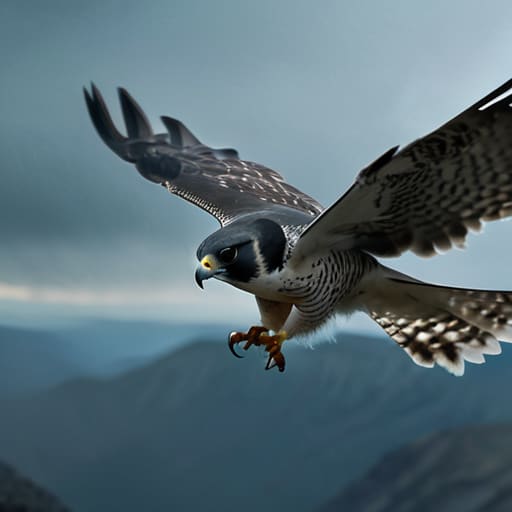
When you’re standing on a ridge and the air suddenly feels heavy—that thick, static sensation right before a front moves in—you aren’t just feeling the humidity. You’re feeling the barometer tanking. I’ve spent years watching the raptors, and they are far more sensitive to these shifts than any forecast app will tell you. As the pressure drops, the impact of barometric pressure on hunting becomes immediately visible. Predators like the peregrine or even the smaller kestrels often go into a frantic, short-term feeding frenzy. They know the window is closing. They can sense that the rising winds and dropping pressure are about to make flight much more expensive in terms of energy, so they hunt hard while the air is still relatively stable.
Once that front actually hits, the game changes. The birds tuck into the lee of the crags, and the mammals do the same. It isn’t just about staying dry; it’s about the metabolic cost of staying warm when the wind picks up. You’ll see a marked shift in animal foraging patterns and climate as the pressure stabilizes or rises again; the animals don’t just wake up and start moving—they wait for the signal that the environment is once again predictable.
Temperature Fluctuations and the Cost of Animal Metabolism
Temperature Fluctuations and the Cost of Animal Metabolism
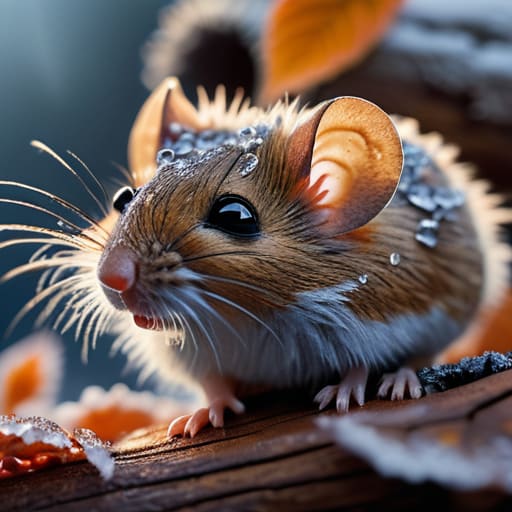
It’s a simple, brutal math equation. For a small mammal or a bird, staying warm isn’t just a comfort; it’s a massive caloric drain. I’ve spent many freezing mornings huddled under a bivvy, watching how much energy it takes just to keep my core temperature from dipping, and the wildlife is doing the exact same thing, only they don’t have synthetic layers. When the mercury drops, temperature fluctuations and animal metabolism become the primary drivers of every move they make. An animal can’t afford to spend all its energy just staying alive; it has to balance the cost of thermoregulation against the energy gained from finding food.
When a cold snap hits, you’ll notice a shift in how creatures move. Instead of the wide-ranging, exploratory behavior you see in a mild spring, you see them becoming much more economical with their movements. They aren’t wandering for the sake of it anymore; they are calculating. If the energy required to reach a foraging patch exceeds the calories that patch provides, they simply won’t go. This is why you’ll often see a sudden, eerie stillness in the woods during a cold front—they aren’t gone, they are just rationing their energy to survive the night.
Five Ways the Sky Tells You Where the Wildlife Is Hiding
- Watch the wind, not just the rain. High winds don’t just make it harder for you to walk; they make it nearly impossible for smaller birds and insects to forage without being battered. When the gusts pick up on a ridge, expect the activity to drop instantly as everything tucks into the lee side of a rock or a thicket.
- Timing your observations around the ‘calm before the storm’ is a skill. When the barometer starts its steady descent and the air feels heavy and still, that’s often the final window of frantic activity. Animals know a front is coming; they’ll feed heavily to build up reserves before they have to hunker down.
- Don’t ignore the light levels during heavy cloud cover. A thick, low ceiling doesn’t just dampen your mood; it changes the visual landscape for predators. Many raptors I track rely on specific light conditions to spot movement from above, so a sudden blanket of grey can shift their hunting patterns from high-altitude soaring to low-level contour hunting.
- Temperature isn’t just about how you feel in your layers; it’s about energy math. On those biting, sub-zero mornings I’ve spent in the Cairngorms, you’ll see more movement at dawn as animals try to offset the massive metabolic cost of staying warm. If it’s too cold, they won’t waste energy moving unless they absolutely have to.
- Learn to read the humidity. High moisture levels and heavy mist can muffle sound and dampen scent, which changes how prey animals move. If you’re out in a damp, heavy fog, you might find animals are more cautious and less likely to move in the open, as their usual sensory advantages are stripped away.
The Cost of Being Out in the Wrong Weather
I’ve spent twenty years watching how a storm front moves through a valley, and the lesson is always the same: nature doesn’t care about your itinerary, and neither do the animals. When the wind picks up or the temperature plunges, wildlife aren’t just ‘reacting’—they are making a calculated, life-or-death decision to stop being visible and start being efficient. If you see a sudden silence on the ridge, it’s not because the birds have left; it’s because they’ve realized the cost of staying out is higher than the reward of the hunt.
Bridget Halloran
Reading the Signs
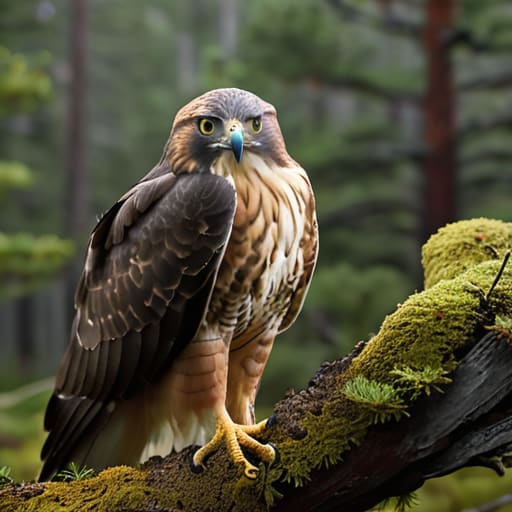
At the end of the day, everything boils down to energy management. Whether it’s a raptor deciding if the thermal lift is worth the effort or a small mammal hunkering down to avoid a metabolic crash, the weather is the ultimate arbiter. We’ve looked at how the drop in barometric pressure triggers hunting shifts and how temperature swings dictate whether an animal spends its day feeding or simply trying to stay warm. Understanding these patterns doesn’t just make you a better observer; it helps you realize that wildlife activity isn’t random. It is a calculated response to an environment that is constantly shifting underfoot. If you can learn to read the sky and the barometer, you stop looking for animals and start anticipating where they have to be.
I’ve spent twenty years watching these cycles play out from the wrong side of a ridge in a gale, and if there is one thing I’ve learned, it’s that the landscape is always talking to you. You just have to be quiet enough to listen. The next time you’re out and the wind shifts or the clouds thicken, don’t just check your own layers—look at the trees, the birds, and the stillness of the valley. There is a profound, quiet intelligence in how the natural world navigates the chaos of the elements. If you respect those rhythms, you’ll find that the hills reveal much more than just a view; they show you the very pulse of survival.
Frequently Asked Questions
If the wind picks up on a ridge, does that mean the birds are definitely hunkered down, or can I still catch them hunting?
Not definitely, but the window narrows. If it’s just a gusty afternoon, you might catch a peregrine using the updrafts to gain height before a stoop. But once that wind turns into a sustained gale, they’re hunkering down. I’ve spent many afternoons on the Scafell ridges watching raptors tuck themselves into lee-side crags to save energy. If the birds are working too hard just to stay upright, they aren’t hunting.
Does a sudden drop in temperature affect how much I should be looking for movement in the undergrowth compared to a steady cold snap?
A steady cold snap lets animals settle into a rhythm; they know the drill. But a sudden drop? That’s a different story. When the temperature plunges fast, the undergrowth becomes a frantic search for microclimates. You’ll see more sudden, desperate movement as they scramble for cover or forage before the frost locks everything down. Don’t look for the calm grazing; look for the panicked dash. The weather has just changed the stakes.
How much of a difference does actual cloud cover make to seeing raptors compared to just the temperature and pressure changes?
Cloud cover is the real wildcard. You can have perfect pressure and temperature, but if you’re staring at a ceiling of thick stratus, you aren’t seeing much. Raptors rely on thermal lift and high visibility to hunt; heavy cloud kills the thermals and masks their prey. I’ve spent countless hours on ridges under grey skies where the birds are active, but they’re invisible. It’s the difference between a productive day and just staring at a wall of white.