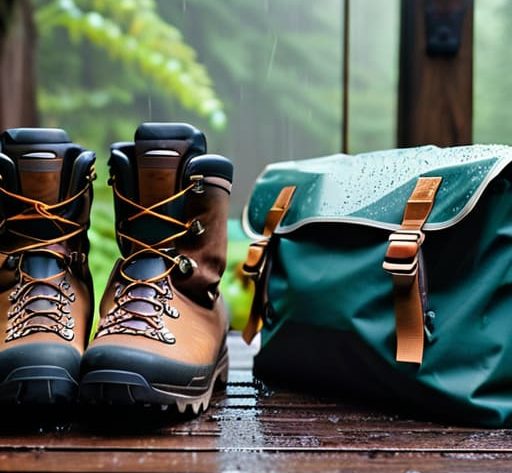
I once spent six hours on a ridge in the Cairngorms, watching a group of otherwise capable hikers slowly descend into a state of shivering misery because they’d bought into the marketing hype of “breathability” rather than actual durability. They had the most expensive, lightweight shells money could buy, but the moment the wind picked up and the rain turned horizontal, those thin membranes were useless. Most advice on how to choose kit for wet climates focuses on technical specs and fancy acronyms that look great on a spreadsheet but fail the second you’re actually wet through.
I’m not here to sell you on the latest fashion or a brand’s newest “revolutionary” fabric. Instead, I’m going to tell you what actually works when the temperature drops and the dampness starts to settle into your bones. I’ll be looking at weight, longevity, and—most importantly—how these layers perform when you’ve been moving for eight hours in a steady downpour. I have no interest in repeating a press release; I only care about the gear that has actually kept me dry during a week of miserable, unrelenting weather.
Table of Contents
Why Breathable Fabric Technology Is Your Only Real Safety Net
Most people think a waterproof jacket is there to keep the rain out. It is, but that is only half the battle. The real danger in a wet climate isn’t the rain hitting your shoulders; it’s the sweat accumulating inside your base layers. I’ve seen too many hikers sitting in a stationary group during a lunch break, shivering uncontrollably because they’ve effectively soaked themselves from the inside out. This is where breathable fabric technology becomes a matter of survival rather than just comfort. If your shell can’t move that internal vapor away from your skin, you are essentially wearing a plastic bag, and once your core temperature drops, you’re in trouble.
I’ve spent fourteen days straight in the Cairngorms wearing the Arc’teryx Beta AR to test its limits in high humidity and driving sleet. While it performs well, you have to understand that no membrane is magic. You still need to employ active moisture management techniques, like venting your pits or adjusting your mid-layers, to keep the equilibrium. If you ignore the physics of how your body heat interacts with your shell, you’ll find yourself damp and freezing long before the weather actually turns.
Durable Outdoor Gear for Rain That Actually Holds the Line
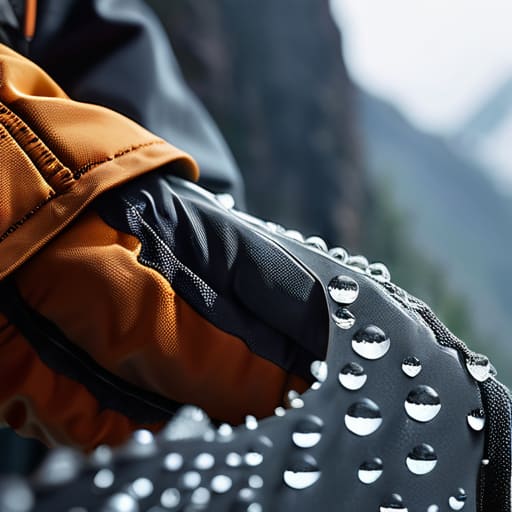
The problem with most people’s approach to rain gear is that they treat it like a seasonal purchase rather than a piece of life-support equipment. I’ve spent fifteen years putting various hardshells through the wringer, and the reality is that even the most expensive membrane will eventually fail if you don’t respect it. I’ve seen too many hikers get caught in a sudden downpour on a ridge, only to find their “waterproof” jacket has turned into a sponge because the DWR coating had long since perished. You cannot ignore waterproof gear maintenance; if you aren’t washing your shells with technical cleaners and reapplying treatments, you aren’t actually protected.
I’ve used my current heavy-duty Gore-Tex Pro shell for roughly 140 days of mixed use, including three weeks of constant drizzle in the Lake District. It holds the line, but only because I treat the fabric with respect. When you are looking for durable outdoor gear for rain, you aren’t just looking for a brand name; you are looking for construction that can withstand being shoved into a cramped pack or scraped against granite. If the seams aren’t taped properly or the fabric feels thin as tissue paper, it will fail you exactly when the wind picks up and the temperature drops.
The Small Details That Prevent Big Problems
- Don’t trust a “waterproof” label without checking the seam tape. I spent ten days in the Cairngorms last October with a mid-range shell that looked great on paper, but the moisture eventually found its way in through the shoulder seams every time I had my pack straps tightened. If the seams aren’t reinforced and taped, you aren’t wearing a waterproof; you’re wearing a very heavy, very damp cotton shirt.
- Prioritise pit zips over any other “breathability” feature. I’ve worn various high-end membranes for over five years in varying degrees of humidity, and I can tell you that no amount of Gore-Tex magic will stop you from sweating through your base layer when you’re working hard on a steep ascent. If your jacket doesn’t have substantial underarm ventilation, you’ll be wet from the inside out before you even reach the ridge.
- Evaluate your footwear based on the actual drainage, not just the dryness. I’ve used heavy leather boots for two decades in sodden peat bogs, and while they stay dry for a long time, once they finally breach, they stay wet for days. Sometimes, a lighter, more breathable trail shoe that drains quickly is a safer bet than a heavy boot that turns into a bucket of cold water around your ankles.
- Check the weight of your waterproof trousers, because you will be carrying them most of the time. I once led a group through a week of relentless drizzle in heavy, thick hardshell trousers that felt fine in the shop, but by day three, they were a miserable, bulky weight in my pack. Look for something under 300g that actually folds down small; if it’s a chore to pack, you’ll eventually leave it in the bottom of the bag and regret it when the wind picks up.
- Test your waterproof hood in a real wind. A hood that sits too loosely is useless when the weather turns; it will flap against your face and let the rain drive straight into your collar. I’ve tested several “adjustable” hoods over the last three seasons, and if the adjustment cords don’t allow you to cinch it tight enough to shield your peripheral vision without blocking your hearing, it’s a liability in a storm.
The Cost of an Optimistic Forecast
I’ve sat in a bivvy bag at 3:00 AM watching a group of people slowly succumb to the damp because they prioritised how light their kit felt over how much abuse it could actually take; in a wet climate, your gear isn’t just about comfort, it’s about managing the narrow margin between a soggy afternoon and a genuine emergency.
Bridget Halloran
The Reality of the Ridge
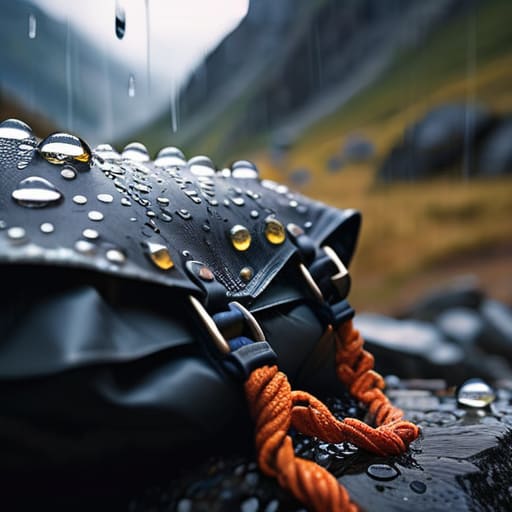
At the end of the day, choosing kit for wet climates isn’t about finding a magic jacket that keeps you bone-dry in a gale; it’s about managing how you fail. You need layers that breathe so you don’t soak yourself from the inside out, and shells that are tough enough to survive being shoved into a cramped pack after eight hours of horizontal rain. I’ve spent twenty-two years seeing people get caught out because they prioritized a lightweight spec over actual durability or assumed a “water-resistant” layer would hold up when the mist turned into a deluge. Focus on the breathability, invest in the mechanical strength of your fabrics, and never, ever underestimate how quickly the temperature drops once you are damp.
There is a specific kind of quiet that comes with being on a ridge when the clouds break and the world turns grey and heavy. It can be intimidating, but if you have trusted your gear and respected the forecast, it becomes part of the experience rather than a crisis to be managed. The mountains aren’t trying to punish you, but they aren’t looking out for you either. If you prepare for the worst-case scenario, you grant yourself the freedom to actually enjoy the landscape when the weather does turn. Pack for the rain, respect the daylight, and remember that the best piece of kit is often the decision to turn back before the gear becomes irrelevant.
Frequently Asked Questions
If a jacket is highly breathable, how much does that actually change when I'm stationary or resting during a heavy downpour?
When you’re moving, breathability is what stops you from drowning in your own sweat. But the moment you stop—to check a map, adjust a boot, or wait out a squall—that’s when the physics change. Without body heat driving moisture through the membrane, the air inside your jacket stagnates. I’ve sat through two-hour breaks in the Lake District in a high-end Gore-Tex shell, and if you aren’t venting, that internal dampness settles into your base layers. Once you’re wet from the inside, you’re never truly dry again.
At what point does the weight of a truly waterproof shell become a liability compared to a lighter, less durable layer?
It becomes a liability the moment you’re moving fast enough that the weight starts dictating your pace. I’ve carried a heavy, 450g Gore-Tex Pro shell for twelve years through Lakeland gales, and it’s indestructible. But if you’re scrambling or pushing a long, high-tempo ridge walk, that extra heft leads to fatigue. Once you’re tired, you make mistakes. If you aren’t expecting a sustained deluge, choose the lighter layer. Don’t carry a tank if you only need a shield.
How do I distinguish between a "waterproof" rating that works in a light drizzle and one that will actually hold up during a sustained ridge storm?
Don’t trust a single number on a spec sheet. A 20,000mm rating sounds impressive, but it doesn’t tell you how the fabric handles pressure. When you’re being driven sideways by a gale on a ridge, the wind forces water into the weave. I’ve spent ten days straight in a heavy Atlantic swell wearing a high-end Gore-Tex Pro shell; it held, but only because the seam taping was substantial. If the jacket feels flimsy or the membrane is thin, that rating is just marketing for a light stroll.