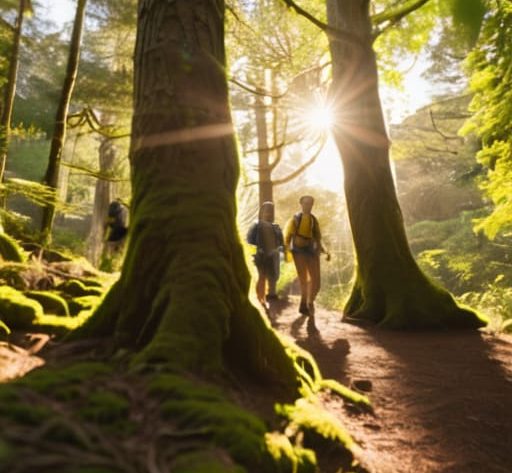
I remember standing on a sodden ridge in the Cairngorms, watching a group of “enthusiastic” hikers try to navigate a scree slope in heavy, leather hiking boots that were clearly two sizes too large. They were following a leader who had spent more time reading glossy brochures than studying actual topographic maps, and as the mist rolled in, I realized that knowing how to lead a group walk isn’t about having the most expensive GPS or the brightest waterproof jacket. It’s about the quiet, often uncomfortable realization that your primary job isn’t to reach the summit, but to manage the gap between a good plan and a sudden change in the weather.
I’m not here to give you a sanitized, step-by-step checklist that sounds like it was pulled from a corporate training manual. Instead, I’m going to share the hard-won lessons from twenty-two years of watching people—and myself—make mistakes when the daylight starts to fade. We will talk about the unsexy realities of group management: how to read the subtle signs of fatigue in a stranger, how to interpret a forecast when you’re standing in horizontal rain, and when to make the call to turn back. No hype, no fluff, just the practicalities that keep everyone moving safely.
Table of Contents
Walking Group Route Planning and the Reality of the Ridge
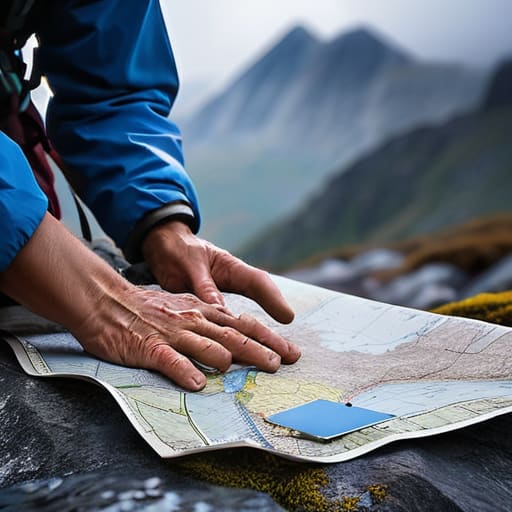
When I sit down with a map, I’m not just looking at contour lines and ascent figures; I’m looking for the “what ifs.” Effective walking group route planning isn’t about finding the most scenic path, though that’s a nice byproduct. It’s about identifying the escape routes. I’ve seen too many groups get caught on a high plateau because they didn’t account for how a simple 200-metre descent can turn into a knee-shattering slog when the granite is slick with freezing rain. You need to plan for the version of the day where everything goes wrong, not the version where the sun is shining and everyone has fresh Gore-Tex.
Once you’re actually moving, the real work shifts to navigating group pace and terrain. You cannot plan for the exact speed of a group of strangers, but you can plan for the friction they create. I always look for “decision points”—specific landmarks or junctions where we stop, check the clock, and assess the weather. If we haven’t reached the halfway mark by noon, or if the wind is starting to bite harder than the forecast predicted, that is your signal to reconsider the summit. Don’t let the momentum of the group push you into a mistake.
A Walking Leader Checklist for Before the Daylight Fails
The most dangerous time for a group isn’t usually mid-morning under a clear sky; it’s that frantic, grey hour when the light begins to fail and the temperature drops ten degrees in twenty minutes. My personal walking leader checklist starts long before you hit the trailhead, but it becomes a living document once the shadows stretch. I always check the group’s headlamps—not just that they have them, but that they actually work and have fresh batteries. I’ve seen too many people rely on a smartphone torch when the mist rolls in, and a phone battery is a fickle thing when it’s freezing.
You also need to be ruthless about navigating group pace and terrain as the light fades. If you’ve been pushing to make a summit by midday, you cannot expect the same tempo when the visibility drops to ten metres. I’ve learned that managing group dynamics on trails means being the one to say, “We’re stopping here,” even if the group is still feeling optimistic. It is much easier to find a sheltered spot in the twilight than to be searching for one in the pitch black while your group is shivering.
The Small Decisions That Keep a Group Moving
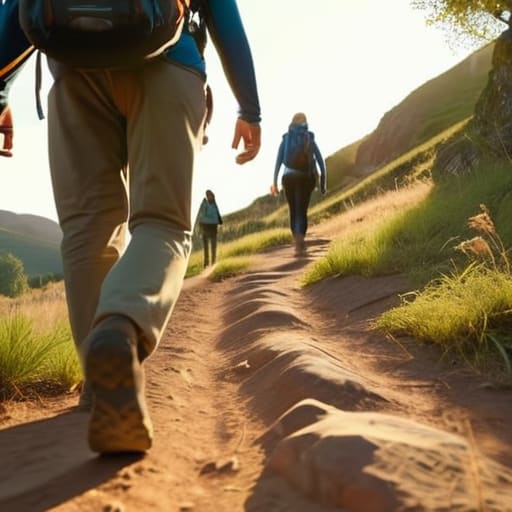
- Manage the pace, not the distance. I’ve seen too many groups stare at a map and see five miles of easy track, only to realize those five miles are uphill, through peat hags, and being walked by people with much less stamina than themselves. Your job isn’t to hit a waypoint by noon; it’s to ensure the slowest person isn’t being dragged into a state of exhaustion before you even reach the ascent.
- Watch the group, not the trail. It is easy to get tunnel vision on the path ahead, but you need to be looking at the shoulders and the breathing of the people behind you. If they are starting to trail or their conversation has died, they are flagging. If you wait until they are physically stopping to ask if they are okay, you’ve already missed the window to fix the problem.
- Master the art of the “soft” turnaround. There is a specific kind of social pressure that happens on a hill—people don’t want to be the reason the group fails. You have to be the one to make the call when the clouds are bruising or the light is dropping too fast. I’ve spent twenty-two years learning that turning back at 2:00 PM is a success, not a failure; getting caught on a ridge in the dark is the real mistake.
- Carry more than just your own kit. I never head out without an extra layer and a high-calorie snack that isn’t mine. I’ve used my spare emergency bivvy bag in heavy sleet on the Cairngorms for three seasons now, and it has saved more than one person from the early stages of hypothermia when someone else’s “waterproof” turned out to be nothing more than a glorified windbreaker.
- Be honest about the weather, not the forecast. A Met Office warning is a data point, not a guarantee. If you get to the trailhead and the air feels heavy or the wind is gusting in a way that makes the trees scream, tell the group. Don’t let a sunny morning on the valley floor trick you into thinking the summit won’t be a different world entirely.
The Cost of Optimism
Leading a group isn’t about reaching the summit; it’s about having the discipline to turn back when the clouds start bruising and your slowest walker is flagging, because the gap between a good day and a rescue operation is usually just one optimistic decision made too late.
Bridget Halloran
The Final Decision
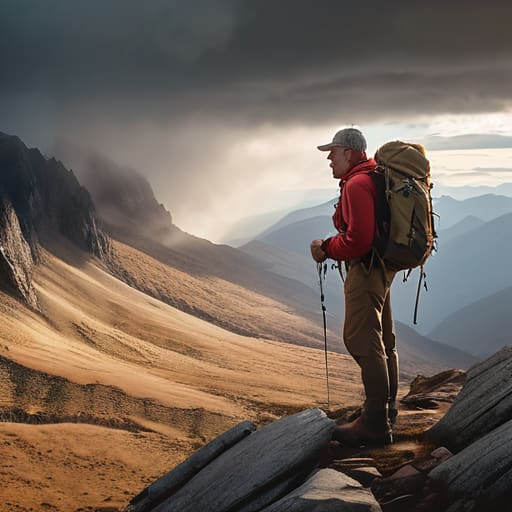
At the end of the day, leading a group isn’t about having the perfect map or the most expensive, lightweight Gore-Tex shell. It is about the cumulative weight of your decisions—from the initial route planning to that moment you decide to turn back because the wind has picked up on the col. You have to manage the gear, the daylight, and most importantly, the group’s collective energy. If you’ve checked your kit, accounted for the weather, and kept a sharp eye on the clock, you’ve done the hard work. But remember, the most vital tool in your pack isn’t a compass or a first aid kit; it is your willingness to admit when the plan no longer fits the reality of the mountain.
There is a specific kind of quiet satisfaction that comes from a walk where everything went exactly as intended, but there is a deeper, more professional pride in the walks that didn’t. The ones where you saw the clouds bruising, heard the group’s heavy breathing, and made the call to head for the valley while everyone was still safe and dry. The mountains will always be there, and they aren’t going anywhere. Your job is to ensure that the people you are leading are ready to come back and walk them again tomorrow. Lead with your head, watch the sky, and never let optimism override your common sense.
Frequently Asked Questions
How do I decide when to call it a day if the group is still motivated but the weather forecast is starting to look grim?
Motivation is a dangerous metric. I’ve seen groups push through exhaustion and excitement right into a situation where they couldn’t move. If the forecast shows a sharp drop in pressure or wind speeds hitting the ridge, you don’t wait for the first gust to hit your face. You make the call while everyone still has the energy to descend. It’s better to be disappointed at the car than shivering in a bivvy bag.
What specific kit should I be carrying in my personal daypack to ensure I can manage an emergency without relying on the group's gear?
Your personal pack is your lifeline when the group’s collective gear isn’t enough. I always carry a lightweight emergency bivvy bag—I’ve used mine for three years in everything from sleet to driving rain—and a dedicated headlamp with fresh batteries, not just the one on your phone. Pack a heavy-duty group shelter, a basic first aid kit, and a high-calorie emergency ration. If you’re relying on someone else’s kit to stay warm, you’ve already lost control.
How do I manage the different fitness levels in a group without making the faster walkers feel held back or the slower ones feel like a burden?
The trick isn’t speed; it’s pacing and the “gap.” I’ve seen groups fracture on long ascents because the fast walkers sprinted ahead, leaving the tail end isolated and anxious. Don’t let them outpace you. Set a rhythm that feels steady, not frantic, and use frequent, planned breaks—not just when someone collapses. If the gap gets too wide, move the faster walkers up to help you manage the group, rather than letting them race toward the summit.